The Science Behind Polyester Microfiber Fabric and Why It Matters for Everyday Living
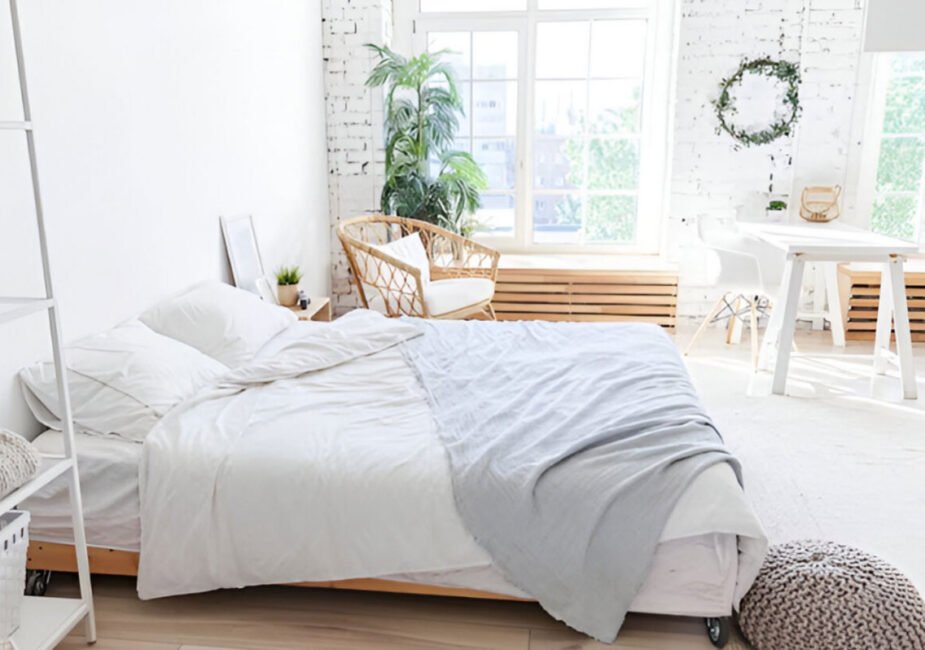
Fabric plays a bigger role in our daily lives than most people realize. From the moment we wake up to the time we go to sleep, we are surrounded by textiles—bed sheets, pillows, sofas, and blankets. While design often catches the eye, fabric performance determines long-term comfort. In recent years, polyester microfiber fabric has emerged as a practical solution that blends comfort, durability, and modern living needs.
This article explores the science behind polyester microfiber fabric, how it improves everyday experiences, and how brands like joyilife are shaping fabric choices through quality-driven innovation rather than short-term trends.
What Is Polyester Microfiber Fabric From a Technical Perspective?
Polyester microfiber fabric is made using extremely fine synthetic fibers, usually less than one denier in thickness. To put this into perspective, a denier is a unit that measures fiber thickness—lower numbers mean finer fibers. Microfiber fibers are significantly thinner than standard polyester fibers, which allows them to be woven more tightly.
This tight weaving creates a fabric that is:
- Smooth to the touch
- Lightweight yet strong
- Resistant to deformation
- Better at maintaining shape and texture
The result is a material that performs well under daily use while offering a soft and refined feel.
Why Fiber Structure Matters More Than Appearance
Many fabrics look appealing when they are new, but their performance declines quickly. The internal structure of microfiber fabric is what makes the real difference.
Because microfiber fibers are tightly packed, they distribute pressure more evenly across the surface. This means less stress on individual fibers, which reduces wear and tear over time. That’s why microfiber-based products tend to last longer than loosely woven alternatives.
This structural advantage makes microfiber especially suitable for home textiles that are used frequently.
Microfiber Fabric and Everyday Comfort
Comfort is not just about softness—it’s also about how a fabric behaves during use. Polyester microfiber fabric excels in several comfort-related areas:
Gentle on Skin
The fine fibers reduce friction against the skin, making microfiber ideal for people with sensitive skin.
Temperature Regulation
Microfiber allows airflow while retaining warmth when needed, helping maintain a balanced sleeping environment.
Lightweight Feel
Unlike heavy fabrics that feel restrictive, microfiber offers a light and breathable experience.
These qualities make microfiber bedding and upholstery a preferred option for modern households.
Why Polyester Microfiber Is Popular in Bedding
Bedding is one of the most demanding textile categories. Sheets and comforters must withstand frequent washing, body movement, and extended contact with skin. Microfiber fabric meets these demands effectively.
Common reasons people choose microfiber bedding include:
- Smooth and cozy feel
- Resistance to wrinkles
- Minimal shrinkage
- Long-lasting color retention
Well-crafted microfiber bedding maintains its comfort and appearance even after repeated washing cycles.
A refined example of this fabric application can be seen in JOYI LIFE polyester microfiber fabric, where attention is given to both comfort and long-term usability.
Durability Without Heavy Maintenance
One of the most practical advantages of microfiber fabric is its low-maintenance nature. Unlike natural fabrics that may require special washing conditions, microfiber products are designed for everyday care.
Typical benefits include:
- Machine washable convenience
- Fast drying time
- Reduced need for ironing
- Shape retention after washing
For families, working professionals, and rental property owners, this ease of care adds significant value.
Microfiber Fabric in Modern Interior Design
Interior design today focuses on functionality as much as aesthetics. Microfiber fabric aligns perfectly with this philosophy.
Its clean finish and consistent texture give home textiles a polished look. Whether used in minimalist interiors or more decorative spaces, microfiber adapts easily to different styles.
Because the fabric holds dyes well, it allows for rich, consistent colors that enhance interior harmony without fading quickly.
The Importance of Responsible Fabric Selection
Consumers today are more informed and conscious about their purchases. Choosing fabrics that last longer contributes to a more sustainable lifestyle.
Polyester microfiber fabric supports this approach by:
- Reducing frequent replacements
- Maintaining quality over time
- Offering reliable performance
When produced responsibly, durable microfiber products help reduce waste and encourage mindful consumption.
Brands that emphasize quality over mass production play an important role in shaping better fabric standards.
How Trusted Brands Elevate Microfiber Quality
Not all microfiber fabrics deliver the same experience. Quality depends on:
- Fiber density
- Weaving precision
- Finishing techniques
- Quality control standards
Established brands invest in these elements to ensure that the final product meets comfort and durability expectations.
For instance, joyilife focuses on fabric refinement and thoughtful product development rather than short-lived trends, offering consumers dependable textile solutions.
A closer look at JOYI LIFE polyester microfiber fabric highlights how careful material selection can enhance everyday comfort without unnecessary complexity.
Choosing the Right Microfiber Fabric Products
When selecting microfiber-based textiles, buyers should consider practical factors beyond price:
- Fabric thickness and smoothness
- Breathability and weight
- Stitching quality
- Brand credibility
Products that balance these elements provide better long-term value and a more satisfying user experience.
Final Thoughts
Polyester microfiber fabric represents a thoughtful evolution in modern textiles. Its fine fiber structure, comfort-focused performance, and durability make it a smart choice for everyday living.
As homes become more comfort-driven and functional, microfiber continues to stand out as a reliable material that meets real-life needs. Brands like joyilife.com demonstrate how attention to fabric quality can transform simple home essentials into lasting comfort solutions.
Last modified: January 12, 2026