The Role of Truck Transportation in Modern Supply Chains
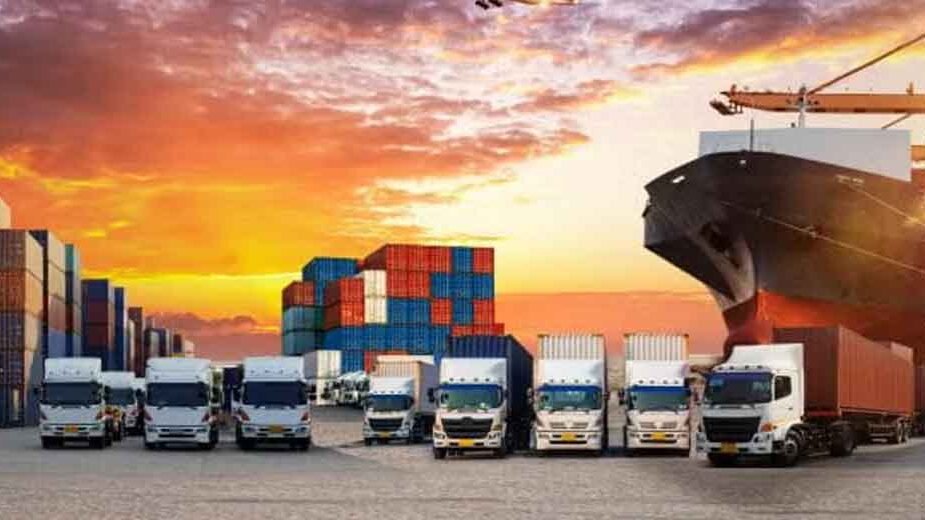
Truck transportation forms the backbone of goods movement across cities, regions, and entire countries. From everyday consumer products to industrial materials, trucks facilitate the efficient movement of goods between manufacturers, distribution centers, retailers, and end users. Unlike other modes of transport, trucking offers flexibility in routing, scheduling, and delivery locations, making it essential for both short- and long-distance logistics. As supply chains become more complex and time-sensitive, truck transportation continues to adapt to rising demands, regulatory requirements, and technological advancements. Understanding how truck transportation functions within modern logistics underscores its continued importance in supporting economic activity and ensuring reliable product availability.
How Freight Moves Efficiently
- Flexibility and Route Accessibility
One of the defining strengths of truck transportation is its unmatched accessibility. Trucks can reach locations that other transportation modes cannot, including rural areas, construction sites, and urban delivery points with limited infrastructure. This flexibility enables freight to move directly from origin to destination without requiring multiple transfers. Truck routes can be adjusted quickly in response to road conditions, weather changes, or delivery priorities. In large-scale logistics operations supported by organizations such as CSA Transportation, route flexibility helps maintain delivery schedules while responding to real-world challenges. This adaptability ensures continuity in supply chains, even when conditions shift unexpectedly.
- Integration With Warehousing and Distribution
Truck transportation plays a central role in connecting warehouses and distribution centers. Goods are often moved by truck between storage facilities and final delivery points, supporting inventory flow and restocking cycles. Efficient coordination between trucking schedules and warehouse operations minimizes downtime and reduces storage congestion. Trucks enable just-in-time delivery models by transporting goods precisely when they are needed. This integration improves inventory accuracy and reduces holding costs, making trucking a vital component of distribution strategies across industries.
- Last-Mile Reliability
Truck transportation is essential for last-mile delivery, bridging the final gap between distribution hubs and customers. Reliable last-mile trucking ensures products arrive on time and in usable condition.
- Supporting Time-Sensitive Deliveries
Many industries depend on truck transportation for time-sensitive shipments. Perishable goods, medical supplies, and manufacturing components often require precise delivery windows. Trucks enable scheduled departures and arrivals that closely align with production or consumption needs. Drivers and dispatch teams coordinate routes and timing to reduce delays. This level of control supports industries where timing directly affects quality, safety, or operational continuity. Truck transportation provides the responsiveness needed to meet strict delivery requirements.
- Economic Impact and Employment
Truck transportation contributes significantly to economic activity by supporting trade and employment. The industry employs drivers, dispatchers, maintenance personnel, and logistics coordinators. Beyond direct employment, trucking supports related sectors, including manufacturing, retail, and construction, by facilitating the movement of goods. Local economies benefit from trucking operations through fuel purchases, vehicle services, and infrastructure use. The broad economic footprint of truck transportation underscores its importance beyond logistics alone.
- Safety and Regulatory Compliance
Operating trucks on public roads requires adherence to safety and regulatory standards. Truck transportation involves vehicle inspections, driver training, and compliance with operating regulations designed to protect road users and cargo. Companies invest in maintenance programs and monitoring systems to ensure vehicles remain roadworthy. Compliance supports safer highways and reduces the likelihood of accidents that disrupt supply chains. Safety-focused operations contribute to consistent service and public trust in the transportation network.
- Technology and Operational Efficiency
Advancements in technology have transformed truck transportation operations. GPS tracking, route optimization software, and electronic logging systems improve efficiency and transparency. Dispatchers can monitor vehicle locations in real time, adjust routes to avoid congestion, and provide accurate delivery updates. Technology also supports fuel efficiency and maintenance planning, reducing operational strain. These tools help trucking operations remain competitive while meeting evolving customer expectations.
- Environmental Considerations
Truck transportation faces increasing pressure to address its environmental impacts. Fuel consumption and emissions are key concerns, prompting investment in more efficient engines and alternative fuels. Route optimization reduces unnecessary mileage, while maintenance practices improve fuel performance. Although trucking remains energy-intensive, ongoing improvements aim to balance operational needs with environmental responsibility. Sustainable practices help align truck transportation with broader environmental goals.
- Challenges in Modern Trucking
Despite its strengths, truck transportation faces challenges, including driver shortages, infrastructure congestion, and fluctuating fuel costs. Managing these challenges requires strategic planning and adaptability. Companies adjust schedules, invest in driver retention, and coordinate with infrastructure planning efforts. Addressing these issues helps maintain service reliability and long-term viability of trucking operations.
- The Role of Coordination and Communication
Effective truck transportation relies on clear communication between drivers, dispatchers, shippers, and receivers. Accurate information exchange ensures that loads are prepared, routes are confirmed, and delivery expectations are aligned. Strong coordination reduces misunderstandings and improves overall efficiency. Communication systems support real-time updates, allowing quick responses to unexpected changes.
Truck transportation remains a foundational element of modern supply chains due to its flexibility, accessibility, and responsiveness. By connecting production, storage, and consumption points, trucks enable the steady flow of goods that supports everyday life and economic growth. Through technological integration, attention to safety, and adaptive planning, truck transportation continues to evolve in response to changing logistics demands. Understanding its role highlights why trucking remains indispensable in maintaining reliable, efficient, and resilient supply networks.
Last modified: January 5, 2026