The Role of Early Education on Social and Emotional Growth in Children
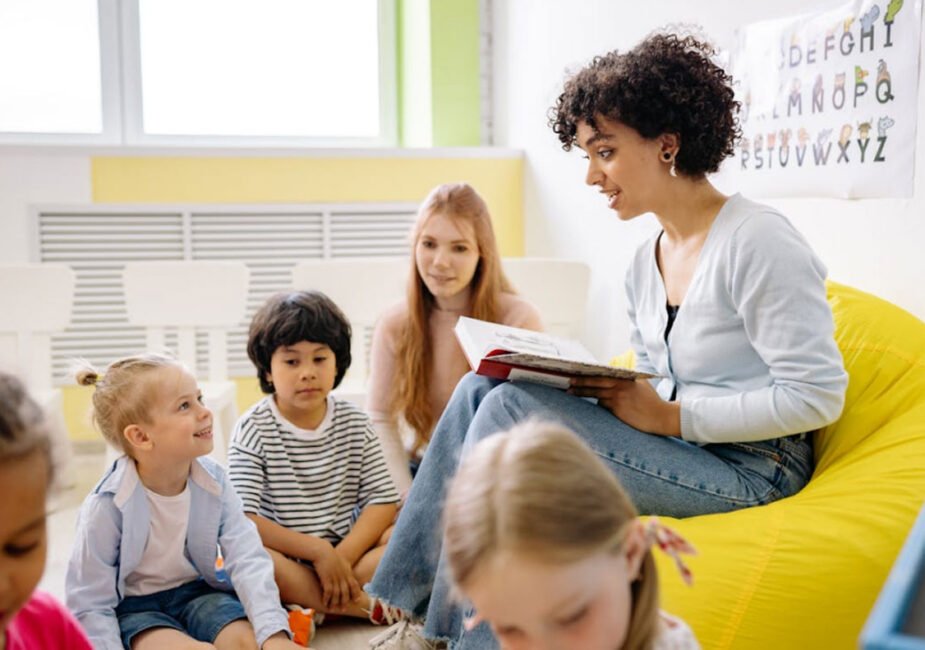
Early childhood education plays a critical role in shaping how children think, behave, and interact with others. While many parents focus on academic readiness, the early years are equally important for developing social awareness and emotional stability. These foundational skills influence how children communicate, form relationships, and handle challenges as they grow. A supportive learning environment introduces children to group dynamics, helping them understand both themselves and others in meaningful ways.
For families in areas like Lawrence, New Jersey, where communities often prioritize strong educational foundations, early learning programs offer more than basic instruction. They provide opportunities for children to engage with peers, develop routines, and gain independence in a structured yet nurturing setting. This early exposure helps children transition smoothly into formal schooling while strengthening essential life skills that extend far beyond the classroom.
Transitioning from Home to a Structured Learning Environment
The shift from home to a structured setting is one of the first major transitions in a child’s life. At home, children are often used to flexible routines and familiar faces. In a learning environment, they begin to follow schedules, interact with peers, and respond to teachers’ guidance. This adjustment can feel challenging at first, but it also creates valuable growth opportunities. Children learn how to adapt, listen, and participate in group activities.
As families explore early learning options, finding the right support during this transition becomes especially important. For those considering a daycare in Lawrence, NJ for their children, choosing a program with experienced educators and consistent routines can make a meaningful difference. These elements help create a stable and supportive environment from the very beginning. As a result, children begin to feel secure in their surroundings. Over time, they build trust, develop independence, and grow more comfortable engaging with others outside their immediate family.
Building Emotional Intelligence: Identifying and Managing Feelings
Emotional intelligence begins with understanding what we feel and why. In early education settings, teachers actively help children recognize and label their emotions. Through daily interactions, children learn to say when they feel happy, frustrated, or upset instead of acting out those feelings. This awareness is the first step toward developing healthy emotional habits that last into adulthood.
Children also learn to manage their emotions constructively. Teachers introduce simple strategies such as taking deep breaths, asking for help, or stepping away from a situation. These tools give children a sense of control and reduce impulsive reactions.
The Art of Socialization: Learning to Share, Take Turns, and Resolve Conflict
Socialization is a key part of early education, and it happens naturally through guided play and group activities. Children learn to share materials, wait for their turn, and collaborate with others on simple tasks. With consistent practice, children begin to understand that cooperation leads to better outcomes for everyone involved.
Conflict is also a normal part of social development, and early learning environments provide a safe space to work through it. Teachers guide children in using words to express their needs and feelings rather than resorting to physical or emotional reactions. By practicing problem-solving in real situations, children develop communication skills that help them navigate disagreements calmly and effectively.
Developing Empathy Through Peer Interaction
Empathy grows when children have regular opportunities to interact with others. In group settings, they begin to notice how their actions affect their peers. Whether it’s sharing a toy or comforting a friend, these small moments teach children to recognize and respond to others’ emotions.
Teachers play an important role in reinforcing empathetic behavior. They acknowledge positive interactions and encourage children to think about how others feel in different situations. Activities like role-playing or storytelling further support this learning by helping children see things from another perspective.
The Role of Routine and Structure in Providing Emotional Security
Young children feel more at ease when they know what to expect. A consistent daily routine helps them understand the flow of the day, from arrival to playtime to rest. When routines are clear, children spend less time feeling anxious and more time engaging confidently in activities.
Structure also supports better behavior and emotional regulation. Teachers guide transitions between activities in a calm, organized way, helping children adjust without frustration. Over time, children begin to anticipate what comes next and respond more positively.
Building Confidence and Independence in a Group Setting
Confidence grows when children are given opportunities to try things on their own. In early education settings, children are encouraged to make simple choices, such as selecting activities or managing small tasks. These moments help them feel capable and valued. With guidance, they learn that effort leads to success, which builds a strong sense of self-worth.
Independence also develops through daily responsibilities. Tasks like cleaning up, organizing materials, or following instructions teach children accountability. Teachers provide support without taking over, allowing children to solve problems and learn from their experiences. As a result, children become more willing to take initiative and participate actively in group settings.
The Long-Term Academic Benefits of Strong Social-Emotional Foundations
Children who develop strong social and emotional skills early on are better prepared for academic challenges. They can focus for longer periods, follow directions, and work well with others. These abilities make it easier for them to engage in classroom learning and build positive relationships with teachers and peers.
Emotional regulation also plays a key role in academic success. Children who can manage frustration are more likely to persist through difficult tasks. They approach learning with confidence rather than hesitation.
Choosing the Right Environment for Holistic Growth
Selecting the right early education program requires looking beyond academics. A strong program supports both intellectual and emotional development. Parents should look for environments where teachers are attentive, classrooms are welcoming, and activities encourage interaction. These elements create a balanced experience that supports the whole child.
It is also important to consider how a program approaches learning. Settings that include play-based activities and group engagement tend to foster stronger social skills. When children feel supported and understood, they are more open to learning and forming connections. A thoughtful choice at this stage can have a lasting impact on a child’s development.
Last modified: March 27, 2026