The Evolving Role of Functional Testing in Modern QA
Software keeps getting more complex. Delivery cycles keep getting faster. In that context, the role of functional testing within modern QA has changed dramatically. It’s no longer about waiting until the end to verify that features work. Quality has to be woven into every sprint, every build, and every release. That’s what separates high-performing teams from the rest.
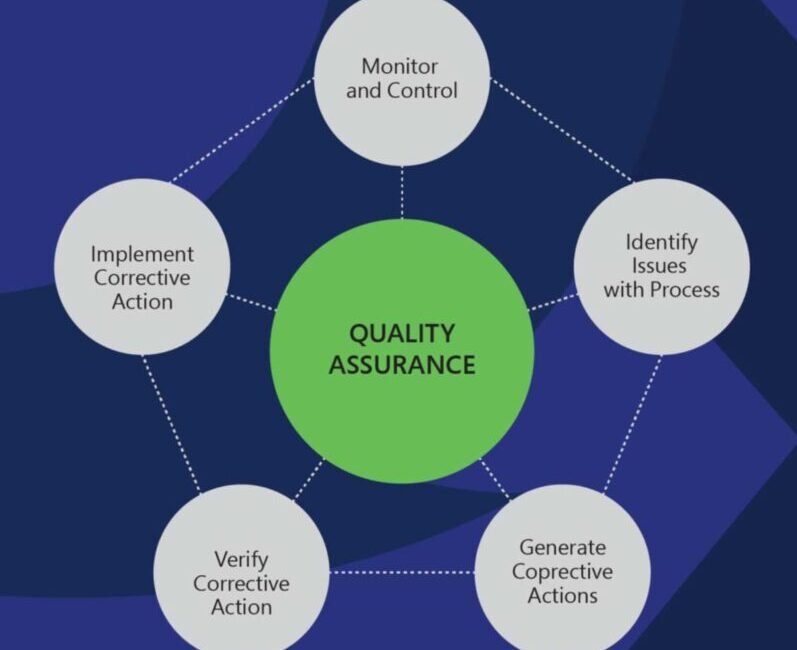
Today’s QA isn’t a single phase anymore. It’s an integrated set of practices, tools, and mindset shifts designed to deliver quality continuously and confidently. Functional testing remains a core part of that ecosystem, but how and where it fits has evolved. At the same time, specialized domains like OTT Testing are demanding tailored strategies as streaming platforms become a primary delivery channel for digital experiences.
Let’s break this down.
What Functional Testing Is and Why It Still Matters
Functional testing verifies that software does what it’s supposed to do from an end-user perspective. It checks the application against its requirements, validating workflows like login, navigation, data input/output, and business logic. Functional tests are typically black-box, meaning they focus on what the software does, not how it does it internally.
Here’s the core idea:
- Functional testing confirms that features behave according to expectations.
- This type of testing doesn’t inspect internal code — it validates outcomes against business rules.
- It’s essential for ensuring user trust and preventing regressions.
In the past, functional testing was often a phase that came after development was “done.” Today, it runs throughout the development cycle. Functional tests are automated early and often, pushing quality checks into continuous integration and delivery pipelines. That means teams catch functional defects sooner rather than later, reducing rework and rework costs.
QA Isn’t What It Used to Be
In the old model, QA was a distinct gatekeeper at the end of the delivery process. Test plans, test cases, execution, defect logging — all that happened after most code had been written. That led to late discovery of major issues, painful bug fixes, and delayed releases.
Modern QA has shifted left. That means quality checks start early — often alongside development. Developers, testers, and automation engineers collaborate on requirements, acceptance criteria, and test automation from day one. Automation tools, continuous integration, and shared responsibility for quality have made that possible.
Here’s what’s changed:
- QA is now integrated into the development workflow rather than a separate phase.
- Automated functional tests run with every build, giving fast feedback.
- Quality engineers focus on prevention, not just detection.
- Roles blend — developers write tests and testers contribute to automation strategy.
Functional testing remains vital, but its role has expanded beyond ticking off checklists. It supports early validation, continuous feedback, and collaboration across teams.
OTT Testing: A Modern Frontier of Functional QA
As streaming platforms proliferate, another testing discipline has taken shape: OTT Testing. OTT stands for “over-the-top,” referring to content delivered over the internet without traditional broadcast systems. Think Netflix, Hulu, Roku channels, mobile streaming apps, and more.
OTT Testing focuses on functional and experiential aspects of streaming applications:
- Does playback start reliably across devices and networks?
- Are user interface controls responsive and accurate?
- Does the service resume where the user left off?
- How does the app handle poor network conditions or errors?
Because these platforms combine media playback, authentication systems, recommendations, personalization, and distributed backend services, functional testing alone isn’t enough. OTT Testing blends functional checks with performance, compatibility, and UX testing to ensure consistent service delivery across devices, screen sizes, and network conditions.
OTT Testing isn’t just about verifying that UI buttons work. It’s about ensuring that the core experience — uninterrupted, intuitive streaming — holds up under real-world conditions.
Why Functional Testing and Specialized QA Matter Today
Here’s what this evolution means in practice:
- Speed and confidence Functional testing integrated into development pipelines gives teams faster feedback and higher confidence in quality. Bugs are cheaper to fix when found early.
- Greater automation and tools Modern QA leverages automation frameworks, test orchestration, and scalable environments to cover more ground without manual toil.
- Domain-specific challenges As applications span web, mobile, and streaming platforms like OTT, QA must adapt with specialized testing strategies that go beyond generic functional tests.
- Collaborative ownership QA is no longer just testers’ responsibility. It’s a shared discipline across development, operations, and product teams.
Quality today means delivering reliable, intuitive experiences across platforms and use cases. Functional testing is still central to that, but it’s part of a broader, proactive QA strategy.
How HeadSpin Can Help
Modern QA teams need more than tools — they need context and scale. HeadSpin provides a global testing platform with real devices, real networks, and actionable insights into performance and usability across the environments your customers actually use.
With HeadSpin you can execute functional testing at scale, validate complex OTT experiences on real devices, and surface issues that might slip past lab-only test suites. Deep session insights, performance metrics, and cross-platform automation support help teams iterate faster, deliver more reliably, and ensure quality isn’t just checked — it’s understood. HeadSpin brings confidence to your QA process so you can focus on innovation, not firefighting.
Last modified: January 16, 2026