The Differences Between Liquor Store Chains and Independents
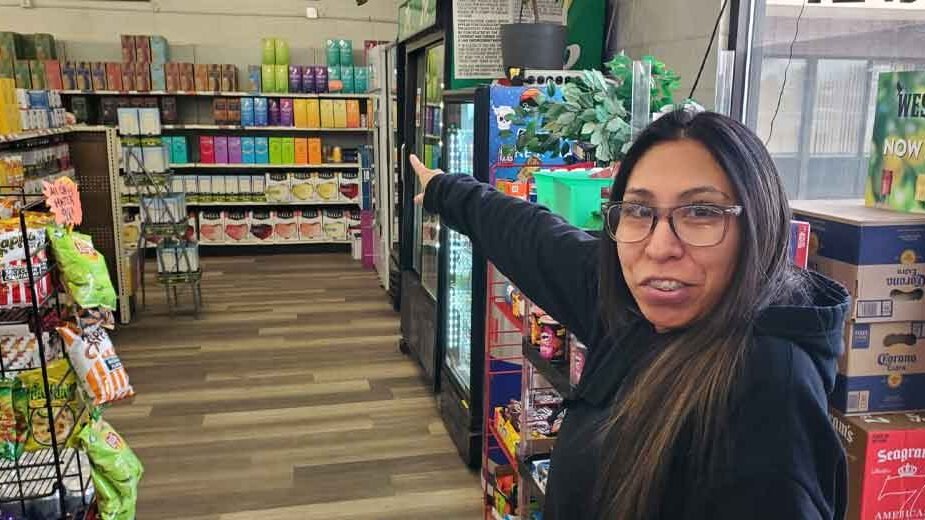
A liquor store can be part of a large chain or an independent shop belonging to an individual, group, or family. Chains feature multiple stores in various locations, and all shops operate under the same brand name. Independent stores are unique outlets where the owner often has control over inventory management, store layout, and marketing. Here are a few differences between independents and liquor store chains:
Product Selection
Chain stores that sell liquor offer a wide variety of well-known, mass-produced labels. Their shelves may be stocked with popular wines, large-brand spirits, and national beer labels that people easily recognize. Chains also promote private-label brands that offer higher profit margins; this sometimes influences how their inventory is displayed. A focus on consistency and familiarity may appeal to customers looking for predictable liquor brands.
Some independent stores tend to take a more curated approach to inventory management. Instead of stocking large numbers of national brands, they may hand-select items from smaller producers and local distillers and breweries. Visiting an independent liquor store gives you access to boutique wines, small-batch whiskeys, and limited-release craft beer. The shelves could change frequently and feature products you won’t find elsewhere.
Chains focus on volume and recognition, while independents value uniqueness and customization. Look for stores that curate gift baskets and holiday packs featuring local products and rare selections. Independent stores also let you customize the baskets with your preferred spirits, wines, and beers; this allows you to create unique gifts. The product variety in independent stores reflects the owner’s taste and knowledge of their customer base.
Business Model
Purchasing decisions and product placement in chain stores could be the responsibility of higher administrative levels. Some stores are corporate-owned and feature pre-established structures that each branch follows. The result is consistency across all shops, but this may come at the expense of flexibility. Independent stores operate with greater flexibility because the owner can adjust inventory whenever they decide. These stores respond quickly to customer requests and seasonal shifts, and they rely on daily interactions and responsiveness rather than a national strategy.
Customer Service
Chain stores follow a self-service model, where you browse aisles, locate your liquor, and check out with minimal interaction. The staff focus on efficiency and product stocking, so they may only offer general customer assistance. This approach caters to people who already know what they want to buy and prefer quick, predictable trips.
Independent stores prioritize personal service, and the staff members are often ready to answer questions. The personnel may have strong product knowledge, and this allows them to offer recommendations tailored to your taste preferences and event. They also suggest food pairings, introduce new arrivals and local favorites, or place special orders for hard-to-find bottles. This level of customer service is suitable if you prefer suggestions and engaging conversations.
Product Discovery
Some chains highlight mainstream products, and the discovery is built around widely advertised releases or national promotions. Independent stores encourage exploration by rotating selections using local brands and seasonal offerings. You can find something new during each visit, which is beneficial if you want to uncover different flavors and producers. Limited-batch releases and experimentation lead to versatile inventories that never remain the same. Independent stores may offer you various opportunities to try different beers, spirits, and wines.
Service Convenience
You’ll often find chain stores in high-traffic locations, such as near supermarkets or within large shopping centers. This positioning is strategic and gives customers shopping convenience when combining errands. Independent stores serve neighborhoods and nearby communities; their proximity allows you to make quick trips without commuting through traffic.
Independent stores also offer additional services, such as curated gift options for holidays and celebrations. They may feature unique discounts and loyalty programs to encourage regular purchases and retain customers. These services help build personal relationships with buyers within their communities. Independents may also offer small samples, allowing you to try a beverage without committing to a large bottle.
Find a Liquor Store Today
Chains and independents both offer a wide selection of beers, spirits, and wines. They also have gift baskets and may feature accessories, such as mixers, and some stores offer a wide variety of beer. Visit a liquor store today to find out more about their products and services.
Last modified: January 1, 2026