The 2026 Watch Market Forecast: Why Architectural Design and Advanced Materials Are Defining the Future
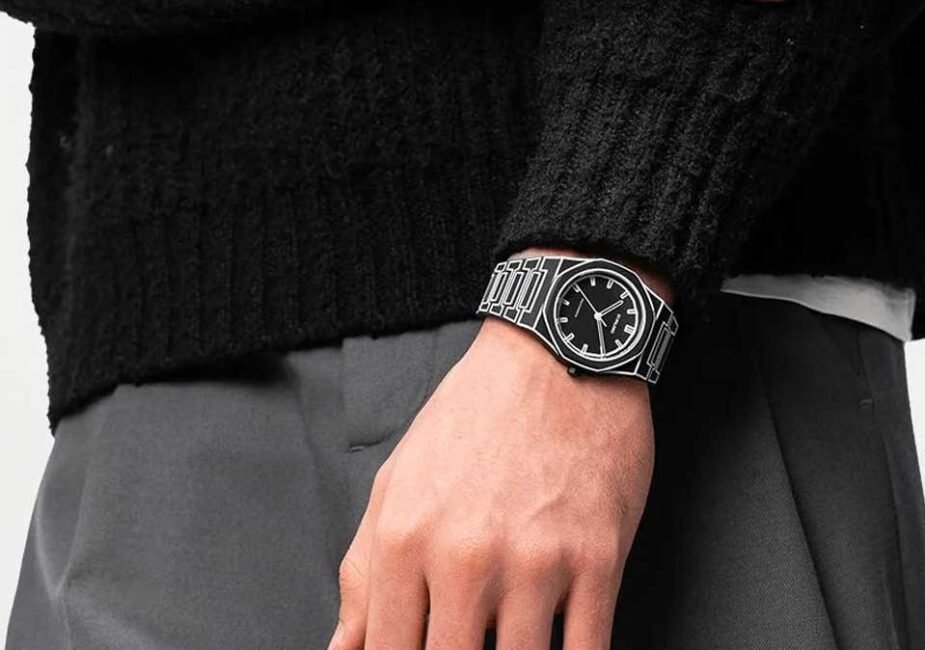
As analysts and fashion buyers look toward the 2026 retail landscape, a distinct shift is becoming visible in the luxury accessory market. The era of “heritage reliance”—where consumers bought timepieces solely based on a brand’s century-old history—is fading. In its place, a new criterion for value is emerging: design innovation.
As analysts and fashion buyers look toward the 2026 retail landscape, a distinct shift is becoming visible in the luxury accessory market. The era of “heritage reliance”—where consumers bought timepieces solely based on a brand’s century-old history—is fading. In its place, a new criterion for value is emerging: design innovation.
The consumer of 2026 is projected to be more technically literate and aesthetically demanding. They are not looking for a status symbol to show off wealth; they are looking for a design object that integrates seamlessly into a modern, high-performance lifestyle. This shift is propelling a new wave of trends that prioritize advanced composites, geometric silhouettes, and a distinct industrial aesthetic.
For those looking to invest in a timepiece that will remain relevant well into the latter half of the decade, understanding these key shifts is essential. Here is a comprehensive look at the trends and standards that will define the best watches of 2026.
1. The Material Revolution: High-Performance Composites
Perhaps the most significant trend for 2026 is the departure from standard stainless steel as the default material for daily wear. While steel will always have a place in formal wear, the daily driver of the future is lighter, stronger, and more comfortable.
We are seeing a massive surge in demand for polycarbonate watches for men. Once relegated to the realm of cheap sports gear, polycarbonate has been reimagined by premium design houses using high-grade, soft-touch finishes. The appeal is logical: polycarbonate is incredibly lightweight, resistant to impact, and offers a unique matte texture that absorbs light rather than reflecting it.
This “stealth” aesthetic aligns perfectly with the modern wardrobe, which favors technical fabrics and understated luxury. Furthermore, polycarbonate allows for a level of chromatic depth that metal cannot achieve. In 2026, expect to see these composite watches dominating the wrists of creative professionals and tech entrepreneurs who prioritize comfort and material science over the weight of traditional gold or steel.
2. Geometry Over Tradition: The Rise of the Shaped Case
The tyranny of the round watch is ending. For decades, the circular case was the safe, standard choice. However, the forecast for 2026 shows a strong preference for “shaped” cases—specifically octagonal, hexagonal, and cushion shapes.
This trend is rooted in a desire for visual distinction. A geometric bezel offers an architectural quality that instantly separates the wearer from the crowd. It suggests a precision mindset. The best brands emerging in this space are those that treat the watch case not just as a housing for the movement, but as a piece of brutalist architecture. The interplay of sharp angles and brushed surfaces creates a dynamic look that feels modern and aggressive in the best way possible.
3. Industrial Precision and the Global Design Standard
When scouting for the best brands of 2026, the focus is narrowing on specific design hubs known for industrial precision. While Switzerland remains the engine room of mechanics, the aesthetic leadership has shifted. The market is increasingly turning to italian watches not for their history, but for their mastery of industrial design and proportion.
The current wave of design coming from this region is characterized by a “no-nonsense” approach: ultra-thin profiles, integrated bracelets that flow seamlessly into the case, and a rejection of cluttered dials. This is not about baroque ornamentation; it is about the purity of line and form. These timepieces are being celebrated globally because they balance technical complexity with visual simplicity—a hallmark of great industrial design that resonates with the minimalist ethos of the late 2020s.
4. The Monochromatic “Total Look”
Color trends for 2026 are moving away from high-contrast dials (like the “panda” dial) towards a unified, monochromatic aesthetic. The concept of the “Total Look” involves matching the case, strap, hands, and indices to a single color palette.
This trend is particularly effective when combined with matte finishes.
- Shadow Black: A deep, light-absorbing black that looks almost two-dimensional.
- Concrete Grey: An industrial tone that pairs well with modern streetwear.
- Military Green: A desaturated, functional color that works as a new neutral.
This monochromatic approach flattens the watch visually, turning it into a graphic symbol on the wrist. It is a bold stylistic choice that speaks to a confident, thoroughly modern identity.
5. The Thinness Race
Another key metric for the best watches of 2026 is vertical profile. As fashion moves towards more tailored and streamlined silhouettes, the “hockey puck” watches of the early 2000s have become obsolete.
The new standard for a quality quartz or automatic timepiece is a thickness of under 9mm. Achieving this requires precise engineering, as the movement, dial, and crystal must be packed into an incredibly tight space without compromising water resistance or durability. An ultra-thin watch is the ultimate sign of sophistication in 2026 because it proves that high performance does not require bulk.
6. Versatility as the Ultimate Luxury
Finally, the trend that underpins all others is versatility. The 2026 consumer leads a hybrid life—working from home, commuting to the office, traveling for business, and escaping for weekend adventures. They do not want to change their watch three times a day.
The “grail” watch of 2026 is one that works in all these environments. It must be durable enough to withstand a gym session (hence the rise of polycarbonate), but elegant enough to wear with a blazer (hence the focus on thin profiles and geometric design). The brands that are winning market share are those that understand this hybridity, creating products that blur the line between sport and dress, technical and sartorial.
Final Outlook
As we approach 2026, the advice for the savvy buyer is simple: look forward, not backward. Do not buy a watch simply because it looks like something your grandfather wore. Look for materials that offer tangible benefits, shapes that challenge the norm, and design languages that prioritize architectural integrity. The future of wristwear is light, geometric, and meticulously engineered.
Last modified: December 3, 2025