Sustainable Asphalt Paving and Masonry Solutions for Modern Outdoor Spaces
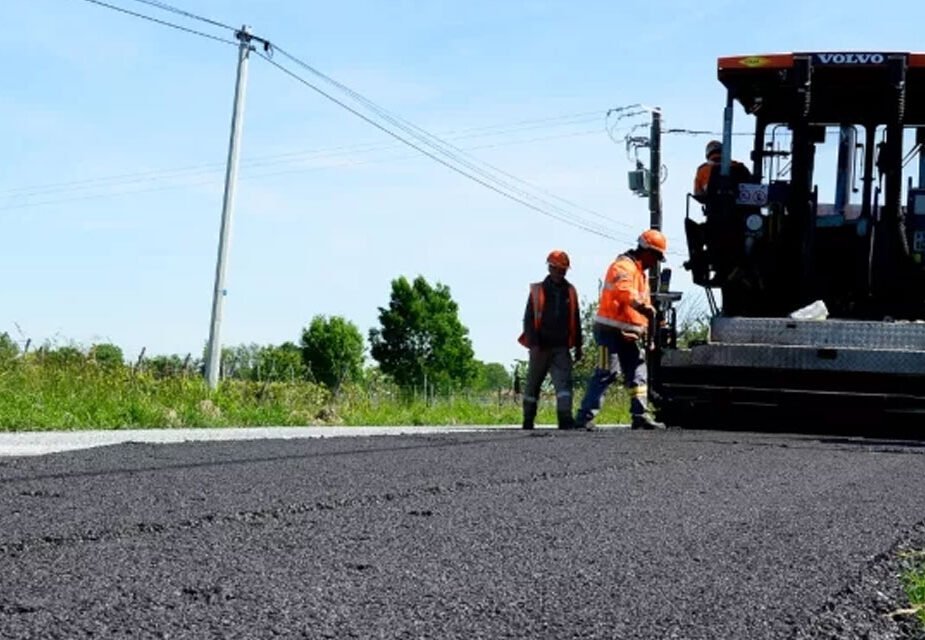
As environmental consciousness grows, homeowners and property managers are seeking ways to make their outdoor spaces not only aesthetically pleasing but also sustainable and efficient. Choosing eco-friendly construction techniques is now a top priority, with sustainable masonry and asphalt paving quickly becoming leading solutions for modern landscaping projects. Partnering with experienced NJ asphalt companies ensures your property benefits from the latest innovations in durability, design, and sustainability.
Integrating sustainable materials and advanced installation methods enables outdoor spaces to balance beauty with environmental responsibility, reduce long-term maintenance costs, and minimize negative impacts on the surrounding ecosystem. From repurposing existing materials to harnessing technology for better water management, there are numerous approaches that can make outdoor environments more resilient without sacrificing curb appeal. Thoughtful design, paired with smart construction techniques, can transform any outdoor area into a space that stands the test of time while also supporting broader sustainability goals.
Incorporating Recycled Materials in Asphalt Paving
The use of Reclaimed Asphalt Pavement (RAP) sets a benchmark for sustainability in outdoor construction. Contractors mill or remove old asphalt layers, then recycle this material into new pavement mixtures. This process is both cost-effective and environmentally responsible, reducing demand for new aggregate resources and cutting waste sent to landfills. According to the Environmental Protection Agency (EPA), the recycling and reuse of construction materials dramatically lessen the environmental impact of infrastructure projects, aligning construction efforts with global sustainability targets.
Benefits of Permeable Paving Solutions
Urban development introduces challenges in stormwater management that traditional paving cannot address effectively. Permeable pavements, such as porous asphalt, permeable interlocking concrete pavers, and grid systems, allow water to flow through the surface, directly replenishing groundwater supplies and reducing the chance of flooding or erosion. This approach is particularly advantageous in city environments, where impervious surfaces often exacerbate drainage issues. Permeable solutions also improve water quality by filtering pollutants as water infiltrates the substrate, supporting broader municipal efforts in sustainable urban planning.
Innovative Masonry Techniques for Enhanced Durability
The evolution of masonry has introduced materials and methods that are both robust and visually striking. High-performance aggregates, combined with advanced binding agents, help paved areas better resist the wear and tear caused by heavy use and shifting weather conditions. Additionally, decorative options such as colored concrete, textured surfaces, and custom masonry patterns can elevate the design of patios, walkways, and retaining walls. These design advances not only improve appearance but also create surfaces less susceptible to cracking and other common maintenance issues, increasing the value and longevity of outdoor spaces.
Implementing Smart Drainage Systems
Efficient drainage is the cornerstone of any durable outdoor hardscape. Without it, even the most advanced paving materials are at risk of premature failure. Modern drainage solutions use properly graded surfaces, subsurface drains, and water channels to quickly and effectively direct runoff away from paved areas. By preventing standing water and reducing surface erosion, these systems extend the life of your investment while helping you avoid costly repairs. Comprehensive drainage design is a key indicator of a high-quality paving or masonry installation.
Utilizing High-Performance Sealcoating
Applying a protective sealcoat is an effective way to safeguard asphalt surfaces against the harshest elements. High-quality sealcoating shields pavement from ultraviolet sun exposure, oil stains, moisture penetration, and chemical spills, all of which can degrade surfaces over time. Regular maintenance of this sealant layer keeps driveways, parking lots, and walkways looking fresh while dramatically extending their usability. The result is a safer, cleaner, and lower-maintenance surface year-round.
Exploring Heated Driveway Technology
For property owners in colder climates, heated driveways provide a highly practical and eco-friendly solution to winter weather challenges. These systems use embedded cables or hydronic tubing to melt snow and ice, eliminating the frequent need for chemical deicers and reducing physical labor. The result is a safer surface during freezing conditions and a reduced environmental footprint, as toxic runoffs from salt and deicing chemicals are minimized. Homeowners can enjoy increased accessibility while protecting the surrounding landscaping and hardscape.
Adopting Crack-Resistant Asphalt Formulas
Innovation in asphalt technology has led to the development of crack-resistant formulas designed to withstand the dynamic stresses of freeze-thaw cycles, heavy loads, and regular use. These new materials incorporate specialized polymers and fibers to increase flexibility and cohesion, minimizing the development of surface cracks and potholes. With fewer repairs required over time, the overall carbon footprint of maintaining outdoor spaces is reduced, and property owners benefit from lower maintenance costs.
Conclusion
Sustainable design is transforming how homeowners and businesses approach outdoor spaces. By integrating recycled materials, permeable paving, advanced masonry, and modern water management techniques, you can create environments that marry longevity with environmental stewardship. As new technologies and practices emerge, sustainable asphalt paving and masonry solutions will continue to play a pivotal role in shaping low-impact, high-value outdoor areas for the future.
Last modified: April 16, 2026