Significance of Transitioning from GP to Cloud Migration for Long-term Business Growth
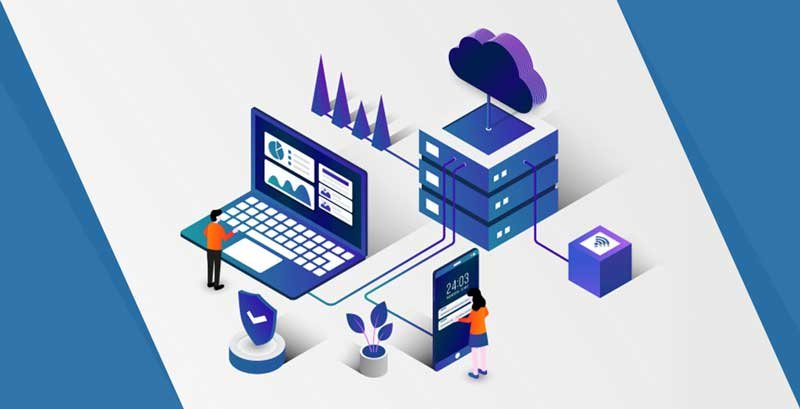
A reliable technology foundation shapes how organizations adapt, compete, and grow over time. Legacy systems such as Microsoft Dynamics GP have supported operations for years, yet changing demands require more responsive and connected platforms. Companies that seek sustainable progress now prefer to explore cloud-based ecosystems that deliver greater efficiency and resilience.
Modern enterprises aim to simplify operations while improving visibility across departments. This shift has led to increasing interest in gp to cloud migration services, which provide a structured path toward digital transformation. Such a transition supports long-term growth by aligning systems with current business expectations and operational goals.
Strengthens Operational Efficiency Through Cloud Adoption
Cloud platforms streamline processes by centralizing data and automating routine workflows. Teams gain faster access to information, which reduces delays and enhances collaboration across departments. This level of coordination allows organizations to respond quickly to shifting priorities without disrupting daily operations.
Enhanced system performance further supports productivity improvements. Cloud environments reduce dependency on physical infrastructure, which minimizes maintenance efforts and operational interruptions. Consistent uptime ensures that business activities continue smoothly, even during periods of high demand.
Improves Data Accessibility and Real-Time Insights
Access to accurate and timely data plays a vital role in strategic decision-making. Cloud solutions provide real-time reporting tools that allow leaders to evaluate performance and identify trends with greater clarity. Immediate insights enable faster responses to opportunities and challenges.
Data accessibility extends beyond internal teams to authorized stakeholders and remote users. Secure cloud access ensures that information remains available wherever needed, supporting flexible work arrangements. This level of transparency strengthens communication and drives more informed planning.
Enhances Security and Compliance Standards
Security concerns remain a priority for organizations managing sensitive information. Cloud providers invest heavily in advanced protection measures, including encryption, threat detection, and continuous monitoring. These safeguards reduce risks associated with data breaches and unauthorized access.
Compliance requirements also become easier to manage within cloud environments. Regular updates ensure alignment with changing regulations, which helps businesses maintain industry standards. This proactive approach supports trust among clients, partners, and regulatory bodies.
Supports Cost Optimization and Resource Allocation
Reduced infrastructure expenses eliminate the need for costly hardware investments and ongoing maintenance.
Subscription-based pricing models provide predictable costs, which allows better financial planning.
Efficient resource utilization ensures that organizations pay only for the services they use.
IT teams can focus on strategic initiatives instead of routine system management.
Lower operational overhead contributes to improved profit margins over time.
Careful cost management plays a crucial role in sustaining growth. Cloud adoption allows organizations to allocate resources more effectively, which ensures that investments support core business objectives.
Enables Seamless Integration and Future Readiness
Cloud platforms integrate easily with modern applications, creating a connected ecosystem.
Businesses can adopt new tools without disrupting existing workflows or data structures.
Interoperability supports collaboration across various systems and departments.
The gp to cloud migration services help ensure a smooth transition with minimal disruption.
Scalable infrastructure supports expansion without requiring major system changes.
Integration capabilities allow organizations to remain adaptable as requirements evolve. A well-connected system supports continuous improvement and prepares businesses for long-term success. This adaptability ensures that operations remain aligned with future demands.
So, transitioning from legacy systems to cloud platforms creates a strong foundation for sustained growth. Improved efficiency, security, and data accessibility support better decision-making and operational performance. Organizations that embrace this shift position themselves for consistent progress and long-term stability.
Last modified: April 28, 2026