Proactive Risk Management Strategies for Small Businesses
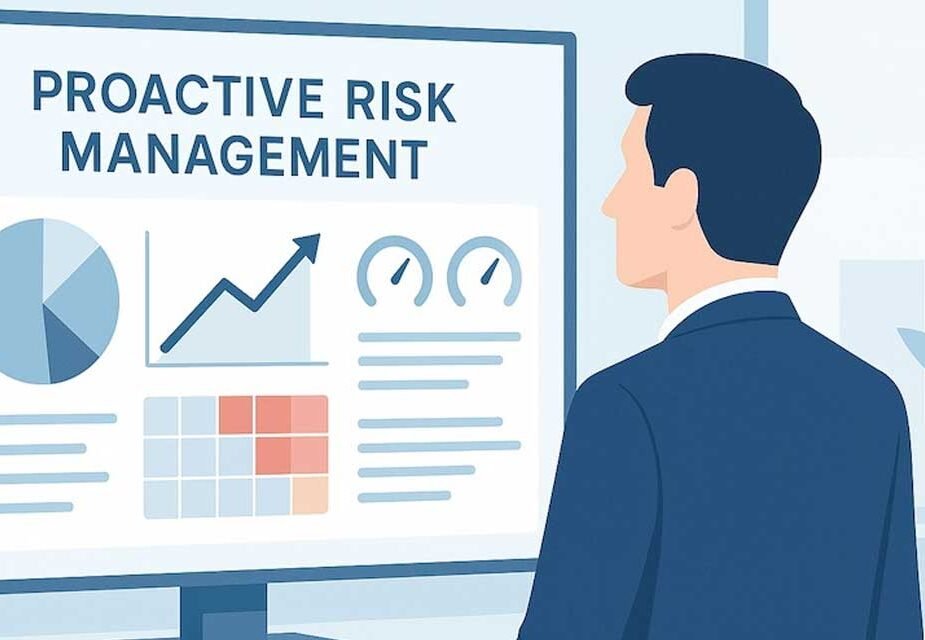
Small businesses face a continually evolving landscape filled with financial, operational, and compliance risks. For many entrepreneurs, navigating these uncertainties can be daunting, as the resources available to smaller companies often pale compared to those of larger enterprises. The ability to proactively identify and manage these risks is essential to long-term success, as reactive approaches can leave a business vulnerable to unforeseen disruptions and potentially devastating losses. By adopting a forward-thinking approach, small businesses can boost resilience, protect assets, and ensure sustainable growth. Proactive risk management empowers owners to make smarter decisions, allocate resources efficiently, and respond confidently when challenges arise. Whether addressing economic fluctuations, changing consumer demands, or safeguarding digital assets, understanding your unique risk landscape is the first step in developing effective solutions tailored to your business model. One of the most crucial elements in this process is securing proper liability insurance coverage to protect your company from potential lawsuits and unforeseen liabilities. Without suitable coverage, a single incident could endanger the business’s future, making insurance a non-negotiable part of responsible risk planning.
Business leaders must not only recognize potential threats but also implement dynamic strategies that can adapt to rapidly changing environments. Establishing a proactive risk management framework enables early identification of vulnerabilities and helps prevent costly setbacks, such as operational interruptions or financial penalties. This framework should be flexible and allow for timely adjustments based on new information and evolving threats. The process starts with a clear understanding of both internal and external risks and extends through ongoing evaluation and refinement of protocols. By embedding risk management into daily business practices and strategic planning, small businesses foster a culture of vigilance, allowing them to respond effectively when risks emerge.
Identifying Potential Risks
For small businesses, anticipating risks means examining every facet of operations and considering a broad array of possible threats. Common risks include financial instability due to fluctuating markets, supply chain disruptions caused by unexpected vendor issues, regulatory changes that affect compliance requirements, and cyberattacks targeting sensitive business or customer data. External events such as natural disasters, political instability, or health emergencies can also pose significant challenges. Conducting a thorough risk assessment helps businesses evaluate the likelihood and potential impact of each risk, prioritizing where to focus their limited resources and efforts. This may involve interviewing key staff, reviewing historical data, mapping business processes, and scenario planning. Resources like the U.S. Small Business Administration’s emergency preparedness guide offer practical insights that can be integrated into risk assessment checklists. Leveraging such resources ensures that businesses are prepared not only for everyday risks but also for less frequent but high-impact events that could threaten business continuity.
Developing a Risk Management Plan
Building an actionable risk management plan requires both clear objectives and total team involvement, as risk management is most effective when it is a shared responsibility. Responsibilities should be allocated to specific employees, ensuring accountability across the organization and fostering a sense of ownership. This shared ownership enhances awareness and promotes a culture of readiness, increasing the likelihood that issues are flagged early and addressed swiftly. Establish escalation procedures to clarify when issues should be brought to leadership’s attention, and develop communication plans detailing how information will be shared internally and externally during a crisis. Designate members of a crisis management team who are empowered to make timely decisions and coordinate responses when urgent situations arise. Documenting these processes in an accessible format ensures that everyone understands their roles and can act quickly under pressure, minimizing confusion and reducing response times in critical moments.
Implementing Cybersecurity Measures
With increasing reliance on digital platforms and cloud-based solutions, cybersecurity threats pose a significant and growing risk to small businesses. Small companies are often targeted by criminals because they typically have less robust defenses than their larger counterparts, making them attractive targets for data breaches, phishing, and ransomware. A layered defense approach should include robust firewall protections to block unauthorized access, endpoint security systems on all devices, data encryption to secure sensitive information, and regular employee training on best practices for identifying and mitigating threats. Reports show that 82 percent of ransomware victims are small to medium-sized companies, underscoring the urgency of comprehensive cyber protection. Establish strict access controls, regularly update software and hardware, and adopt multi-factor authentication wherever possible.
Ensuring Compliance with Regulations
Regulatory compliance is another cornerstone of a strong risk management program, as failing to comply with relevant laws can lead to severe financial penalties and reputational damage. New or changing guidelines—whether related to privacy regulations, labor laws, taxation, industry-specific requirements, or environmental standards—require businesses to stay informed and agile. Regular audits of business practices help identify areas where compliance may be lacking and provide opportunities to correct deficiencies before they result in costly fines. Consulting with legal experts gives business owners access to up-to-date knowledge and practical advice tailored to their sector, while subscribing to industry newsletters ensures consistent awareness of regulatory shifts. Implementing policies and ongoing compliance training for staff can further reduce the risk of violations and demonstrate the company’s commitment to ethical and legal operations.
Utilizing Insurance as a Safety Net
Insurance coverage remains a vital part of any risk management strategy, serving as an essential safety net for when prevention measures are not enough to avert loss. It is not enough to simply purchase the minimum required coverage; evaluating your business needs and securing adequate policies — such as property, professional liability, cyber, and business interruption insurance — can significantly minimize financial losses if a disruption occurs. Different industries and business models will require different types of insurance, so it is important to work with an experienced broker who understands your sector’s specific risks. Periodically review insurance policies to identify and close any gaps in coverage as your business evolves, and ensure that your coverage limits keep pace with growth. Documenting incidents and understanding policy terms can ease the claims process, reducing recovery time and financial impact if a covered event occurs.
Monitoring and Reviewing Risk Strategies
Risk is never static, and neither should your management approach be. Technology, industry trends, and regulatory landscapes can shift quickly, requiring businesses to regularly evaluate their risk strategies for effectiveness. Use insights gathered from incident reports, periodic security and compliance audits, and industry news to identify emerging threats and learn from near-miss events. This iterative process enables quick adaptation to new threats and reinforces the ongoing value of a proactive risk posture. Encourage open communication so employees feel comfortable raising concerns or reporting small issues that could signal larger problems. Regularly scheduled reviews, quarterly, biannually, or after significant organizational changes, help ensure that your approach remains relevant and robust.
Leveraging External Resources
Small business owners should also utilize external resources to strengthen their risk management efforts. Workshops, seminars, and webinars offered by local chambers of commerce and trade associations present valuable educational opportunities on a variety of risk management topics. These platforms often provide up-to-date information on regulatory changes, best practices, and emerging risks, as well as valuable networking opportunities with other business owners facing similar challenges. Government programs and nonprofit organizations also offer grants, technical assistance, and planning tools designed to help small businesses build resilience and plan for unexpected disruptions. External support not only supplements internal capabilities but keeps your approach current and informed.
Final Thoughts
The wide array of risks facing small businesses in today’s environment makes proactive risk management more critical than ever. Owners who actively identify and prioritize threats, develop structured mitigation plans, leverage technology and insurance, ensure compliance, and embrace ongoing learning will put their companies in the best position to thrive amid uncertainty. Staying ahead of risk not only secures business continuity but also enables strategic growth and long-term success. By cultivating a risk-aware culture and continuously adapting your approach, your business can respond effectively to challenges and seize new opportunities safely and confidently.
Last modified: March 1, 2026