Making Practical Improvements at Home
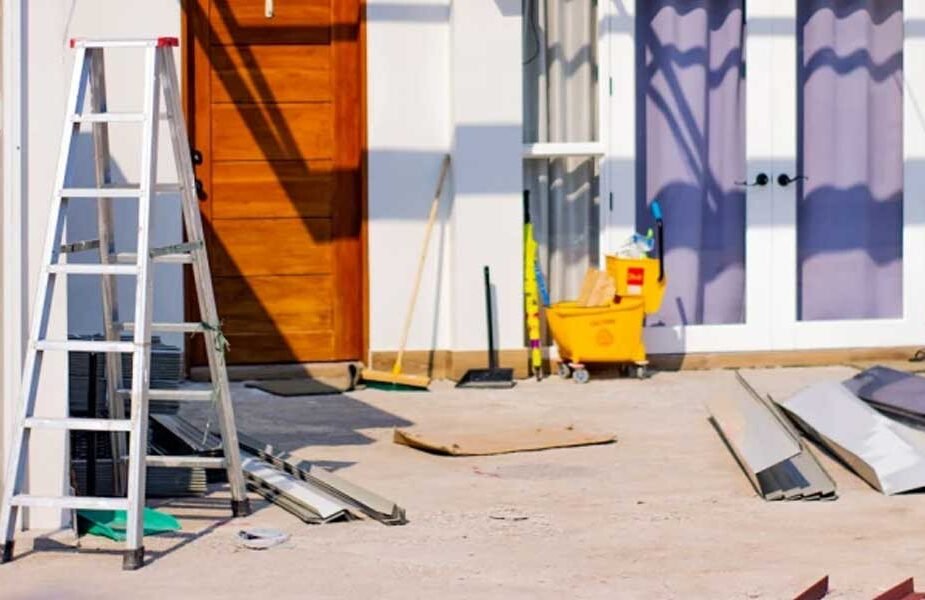
Ever notice how the door you’ve been meaning to fix only becomes urgent when guests are five minutes out? Small problems stay small until the moment they’re not, and suddenly your home feels less like a sanctuary and more like a to-do list. In this blog, we will share how to approach home improvements in ways that actually solve problems and make daily life smoother, not more chaotic.
Starting Where Function Fails
Most people don’t wake up one day ready to overhaul their house. They start by noticing things that don’t work. The kitchen layout that clogs up when more than two people try to move. The faucet that always drips. The closet that might as well be a black hole. Home improvement begins not with design trends, but with friction—the little moments that slow you down or pile on stress.
Take the bathroom, for example. It’s one of the most used rooms in any home, but it’s also one of the easiest to ignore—until you can’t. Maybe the tiles are cracking, or the layout is tight, or you’re juggling three schedules with one sink. For residents dealing with outdated or cramped setups, a bathroom remodel is a practical investment that delivers immediate benefits. Better lighting, updated fixtures, more storage—these aren’t aesthetic extras. They’re functional upgrades that make mornings move faster and nights wind down smoother. When the space you use every day works better, everything else feels easier.
What makes a project like this worth the effort is how much it improves daily experience. You’re not changing the space to impress anyone. You’re changing it so the room actually supports the way you live now. And as prices for housing stay high and families choose to stay in place longer, upgrading what you already have has become a smarter move than overextending for a new zip code.
Avoiding the Trap of Overbuilding
Bigger isn’t always better. The trap many homeowners fall into is mistaking more square footage for better living. A practical improvement isn’t measured in square feet—it’s measured in function. Adding a massive pantry doesn’t help if you still can’t find what you need. Putting in a giant tub doesn’t matter if no one in your house takes baths. The most effective updates are often the smallest ones: motion-sensor lights in dark hallways, touchless faucets in the kitchen, pull-out shelves in cluttered cabinets.
Start by solving for how you use your home, not how it looks in an ad. A mudroom with wall hooks might matter more to your family than a new den. A door that seals tight in winter matters more than a second dining area you’ll barely touch. Think about what slows you down, what clutters your time or space. That’s your blueprint. Not Pinterest, not HGTV, not your cousin’s open-concept fantasy.
The goal is to support your habits, not force new ones. The best improvements make your routines easier without you even noticing. And when they’re done right, they disappear into daily life—not because they’re forgettable, but because they work.
Economic Shifts and Smarter Choices
The cost of materials has gone up. So has labor. And interest rates aren’t exactly cheering anyone toward major financing. But instead of putting home improvements on hold, people are shifting how they spend. There’s a trend toward value over flash, function over square footage. That doesn’t mean people are giving up on upgrades. They’re just making smarter ones.
In 2023, home repair spending didn’t shrink—it shifted toward maintenance and problem-solving. People upgraded old wiring, improved insulation, fixed drainage issues. These aren’t the kinds of updates that light up social media, but they’re the ones that protect property and comfort long term.
This trend toward practical upgrades isn’t just reactive. It reflects a shift in how people think about home. It’s no longer just where you live—it’s also where you work, rest, raise kids, and maybe care for aging relatives. The walls do more, so the improvements need to carry more weight. You’re not upgrading a house—you’re improving the infrastructure of your everyday life.
Know What to DIY and When to Call In Help
Doing it yourself can be satisfying. It saves money, gives you control, and might even be a decent weekend project—until it’s not. There’s a fine line between smart DIY and expensive cleanup. Replacing a faucet? Go for it. Rewiring outlets? Maybe not.
The best rule: know your limits before you start, not when you’re halfway through. Tools matter. Skill matters more. YouTube can only take you so far. If a mistake could cause structural damage, create a safety risk, or cost thousands to fix later, bring in help. Professional labor isn’t just about getting it done—it’s about getting it done right. And if something goes wrong, licensed work usually comes with insurance or guarantees. Your ego does not.
If the project is smaller—paint, cabinet pulls, simple tiling—DIY can absolutely work. But always factor in time. A project that eats up three weekends may cost more in lost sanity than it would have in labor. Sometimes the right move is paying someone to do it in two days so your life keeps moving.
Improvements That Build Toward the Future
Some upgrades fix the now. Others shape the future. Energy efficiency is one area where even modest changes can shift utility bills and comfort. Swapping in energy-efficient windows, sealing attic leaks, upgrading HVAC filters, or installing smart thermostats—these aren’t glamorous changes, but they build value over time.
The same goes for accessibility. If you plan to stay in your home long term, minor improvements now can prevent major renovations later. Wider doorways, lever handles instead of knobs, walk-in showers instead of tubs—none of these feel urgent until they’re necessary. Making those changes ahead of time turns future-proofing into a painless process instead of a crisis remodel.
Even resale plays a part. Practical improvements tend to hold value better than trendy ones. A well-insulated home sells better than one with custom wallpaper. A finished basement with solid lighting sells better than a home theater that looks like it was built in 2008. Trends fade. Good function doesn’t.
At its best, home improvement doesn’t just change how your house looks. It changes how it works. The goal isn’t perfection. It’s relief. Less frustration. Fewer workarounds. A setup that actually supports your life, not just your design sense.
So if your light switch is in the wrong place, or your drawers don’t close all the way, or your shower turns cold when someone flushes upstairs—don’t wait. Pick the problem that bugs you most and start there. Make the improvement that makes life easier. Then move to the next. Not for Instagram. Not for guests. For the people who live there, every day. Including you.
Last modified: February 17, 2026