Let the Light In: Smart Ways to Brighten Your Home Naturally
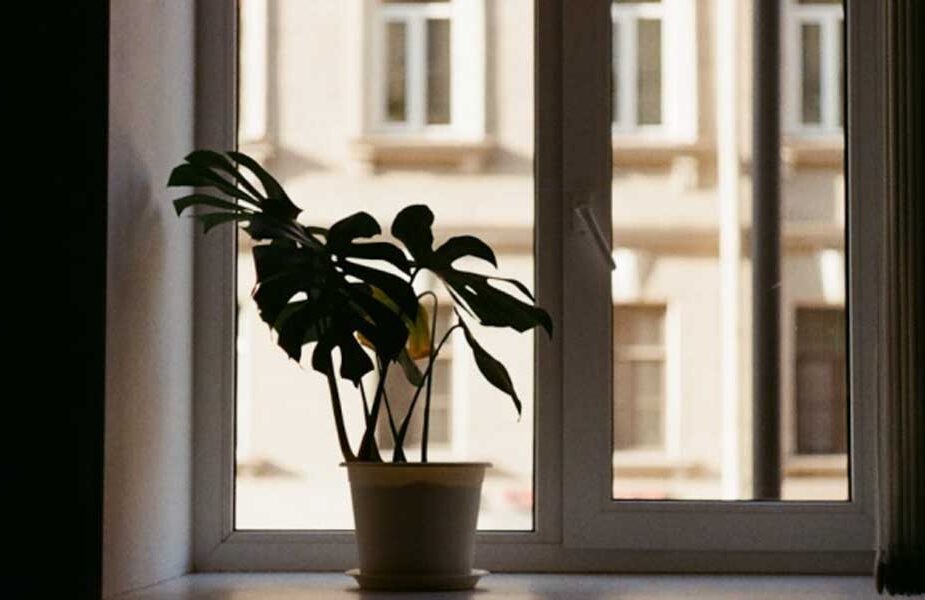
A well-lit home does more than look attractive. Natural light directly affects how you feel and function inside your space. Studies show that exposure to daylight supports better sleep cycles, improves focus, and even boosts overall mood. From a design perspective, bright interiors appear cleaner, larger, and more inviting. Buyers consistently rank natural light among the most desirable features of a home, making it a smart long-term investment and a comfort upgrade.
In places like Denver, where the city averages around 300 days of sunshine each year, homeowners have a real opportunity to take advantage of abundant daylight. Yet many houses fail to capture that light effectively due to outdated windows, poor placement, or simple maintenance neglect. Maximizing sunlight is not just about aesthetics. It is also about performance. Clean glass, proper insulation, and thoughtful design choices all work together to make natural light a practical asset. When you approach lighting as both a design strategy and a maintenance priority, you create a home that feels better and performs better year-round.
Outdated Windows: The Hidden Barrier to a Brighter Home
If your rooms feel dim even on a clear afternoon, your windows may be the issue. Older models often have smaller glass areas, thicker frames, and aging seals that reduce visible transmittance. Over time, glazing can cloud, and frames can warp, limiting both light and efficiency. While quick fixes like lighter curtains help, they cannot overcome structural limitations built into the window itself.
Modern replacements offer measurable performance improvements. High-quality panes are designed to increase visible transmittance while maintaining low U-factor ratings for better insulation. When cleaning and cosmetic updates no longer improve how your windows perform, a structural upgrade becomes the practical next step. Look up Denver window company to connect with reliable local professionals near you.
The Science of Light Reflectance: Choosing Paint and Finishes Wisely
Once your windows let in sufficient daylight, interior surfaces determine how far that light travels. Paint color plays a critical role here. Every shade has a Light Reflectance Value, or LRV, which measures how much light a surface reflects. Higher LRV colors bounce more daylight around the room, reducing the need for artificial lighting during the day. Soft whites, warm neutrals, and pale grays typically perform well without making a space feel sterile.
Finish also matters. Matte walls absorb slightly more light, while satin and eggshell finishes reflect a bit more without creating glare. Ceilings benefit from bright white tones because they help evenly distribute light. Even trim color can influence perception. When walls and trim work together, you create a layered effect that makes the entire room feel brighter and more balanced.
Solar Orientation: Understanding How Denver Sunlight Impacts Your Home
The direction your home faces influences how and when natural light enters each room. South-facing windows receive the most consistent daylight throughout the year. They also provide valuable passive solar heat during the winter months. Understanding this orientation helps you decide where to prioritize upgrades or reduce shading.
East-facing windows bring strong morning light, while west-facing ones can introduce intense afternoon glare. You can manage both with appropriate window treatments or exterior shading. By observing how sunlight moves through your home during different seasons, you can make informed adjustments. Solar orientation is not complicated, but it does require attention. When you align your design choices with the sun’s path, your home becomes naturally brighter and more comfortable.
High-Performance Glass: Maximizing Light Without Increasing Heat
Modern window technology allows you to increase daylight without turning your home into a greenhouse. Low-E glass is manufactured with a nearly invisible coating that reduces heat transfer by reflecting infrared energy while letting visible daylight pass through. This means you can enjoy bright rooms without excessive heat gain in summer or heat loss in winter. It is a practical way to improve comfort while still prioritizing natural light.
When comparing options, pay attention to key performance ratings. The U-factor measures insulation efficiency, while the Solar Heat Gain Coefficient indicates how much solar radiation enters your home. Visible transmittance tells you how much daylight the glass actually lets in. Argon-filled double- or triple-pane windows further reduce heat transfer. Together, these features create a balanced solution that supports both brightness and energy savings.
Landscaping and Exterior Maintenance: Eliminate Unnecessary Shadows
Your yard has a direct impact on indoor brightness. Overgrown trees and shrubs can block significant amounts of daylight, especially during winter when you want maximum sun exposure. Strategic pruning opens up sightlines and allows low-angle sunlight to reach deeper into your living spaces. Even trimming back a single tree branch can noticeably increase indoor light levels.
Routine exterior maintenance also plays a role. Clean windows let more light through, and washing siding or repainting trim in lighter tones can subtly improve reflected light. Keep gutters clear and ensure window wells are free of debris. These simple tasks do not require major renovations, yet they often deliver immediate, visible results in the home.
Mirrors and Reflective Surfaces: Multiply the Light You Already Have
If you want to amplify natural light without structural changes, focus on reflection. Placing a mirror opposite or adjacent to a window helps distribute daylight across the room. The goal is not decoration alone but strategic placement. When positioned correctly, mirrors reduce dark corners and make smaller rooms feel more open.
You can also incorporate reflective finishes in subtle ways. Glass tabletops, polished metal fixtures, and light-toned flooring help bounce light around without overwhelming the design. Even rearranging furniture to prevent blocking windows can improve brightness. These adjustments are cost-effective and easy to test. They allow you to maximize the light you already have before investing in larger upgrades.
Architectural Upgrades: Skylights, Solar Tubes, and Expanded Openings
Some spaces lack adequate access to exterior walls. In those cases, architectural solutions can dramatically improve natural lighting. Skylights installed with proper flashing and insulation bring direct daylight into kitchens, hallways, and bathrooms. Tubular daylighting devices, often called solar tubes, channel sunlight from the roof into interior rooms with minimal structural disruption.
Enlarging existing window openings or adding transom windows above doors can also increase daylight penetration. These projects require careful planning to maintain structural integrity and energy performance. Proper sealing and insulation are essential to prevent drafts or leaks. When executed correctly, architectural upgrades provide long-term improvements that transform a home’s overall feel.
Last modified: February 23, 2026