Learning Music at Home: The Appeal of In-Home Piano Lessons
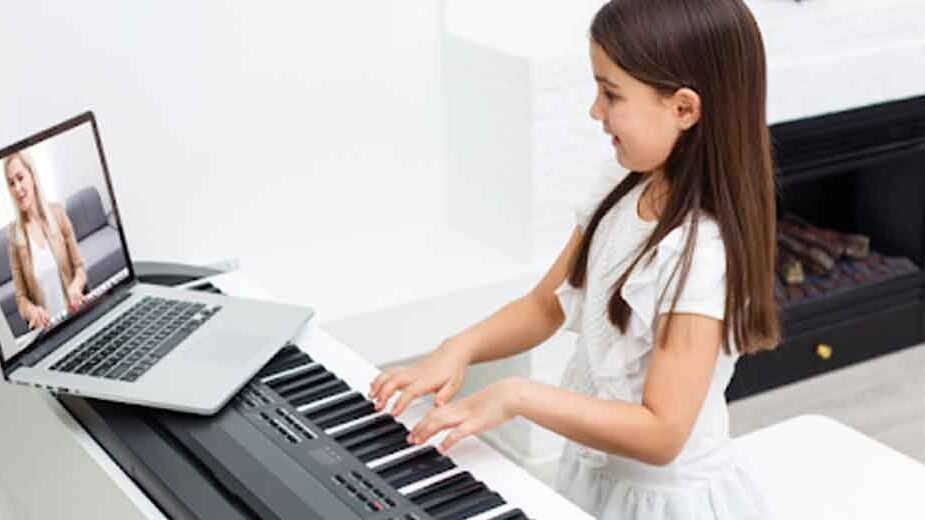
Learning the piano has long been associated with studios, schools, and formal lesson rooms, yet many families now choose to bring instruction into their own homes. Studying music in a familiar environment can reduce anxiety and help students feel more comfortable expressing themselves. At home, the piano is part of daily life rather than a distant destination, encouraging more frequent practice and a deeper connection with music. In-home instruction also fits naturally into busy schedules, making consistency easier to maintain. By blending musical learning with everyday settings, students often build confidence and make steady progress while keeping music integrated into their routine.
What Home-Based Lessons Offer
- Comfort and Focus in a Familiar Space
One of the strongest advantages of learning at home is the sense of comfort it provides. Students are surrounded by familiar sights and sounds, which can reduce distractions and performance nerves. This comfort often leads to greater focus during lessons, as learners are not adjusting to a new environment each week. Teachers can also observe how students interact with their instruments in their usual settings, providing guidance that reflects real-world practice conditions. For families choosing in-home piano lessons, this familiarity supports a calm learning atmosphere where students feel safe to ask questions, make mistakes, and explore music openly. Over time, comfort and focus work together to support steady musical growth.
- Personalized Teaching Within Daily Routines
In-home piano lessons naturally align with students’ daily routines, allowing instruction to adapt to individual schedules and energy levels. Teachers can tailor lesson pacing based on how a student practices between sessions, adjusting exercises to match progress. Because lessons happen where practice occurs, feedback is immediately relevant and practical. Teachers may suggest small changes to the setup or routine to improve consistency. This personalized approach helps students build habits that fit their lifestyle rather than forcing rigid schedules. Over time, learning becomes a natural part of the day, reinforcing commitment and reducing resistance to regular practice.
- Parental Involvement and Support
When lessons take place at home, parents often become more engaged in the learning process. They can observe lessons, understand expectations, and support practice more effectively. This visibility helps parents encourage progress without pressure, fostering a supportive learning environment. Teachers may also communicate more easily with parents, sharing observations and suggestions in real time. This collaboration strengthens accountability while maintaining a positive tone. Students benefit from consistent messages about practice and progress, reinforcing motivation. Parental involvement, when balanced thoughtfully, enhances the overall learning experience and supports long-term musical development.
- Consistency and Reduced Scheduling Stress
Travel time and scheduling conflicts often interfere with regular lessons, but home-based instruction reduces these barriers. Without commuting, lessons are less likely to be missed or rushed. This consistency supports steady improvement, as skills build most effectively with regular reinforcement. Reduced scheduling stress also helps students arrive at lessons mentally prepared rather than fatigued from travel. Teachers can maintain reliable lesson times, contributing to routine and structure. Over time, consistency strengthens discipline and reinforces the value of practice. By simplifying logistics, in-home lessons help keep music learning stable and predictable.
- Developing Independence and Responsibility
Learning at home encourages students to take ownership of their progress. Because the instrument is always accessible, practice becomes a personal responsibility rather than a task tied to external locations. Teachers guide students in setting goals and evaluating their own improvement, fostering independence. This responsibility builds confidence and self-motivation, skills that extend beyond music. Students learn to manage their time and reflect on their practice habits. Over time, independence supports deeper engagement with music and reinforces lifelong learning skills.
- A Short Perspective on Learning at Home
In-home piano lessons offer a balance between structure and flexibility. They combine professional guidance with the comfort of familiar surroundings, supporting consistent practice and personalized growth. This approach helps students feel connected to their instrument and learning process, encouraging steady progress and confidence.
- Adapting Lessons for Different Ages and Goals
Home-based piano instruction works well for learners of all ages. Young children benefit from learning in a safe, familiar space, while adults appreciate the convenience and privacy of home lessons. Teachers adapt communication and expectations based on age and goals, whether the focus is on foundational skills or personal enjoyment. This adaptability keeps lessons relevant and motivating. By meeting students where they are, teachers support meaningful progress and sustained interest in music across different life stages.
Music Learning Where Life Happens
In-home piano lessons bring music education into the heart of daily life, blending instruction with comfort and routine. By reducing logistical challenges and supporting personalized teaching, this approach encourages consistency and confidence. Students benefit from focused learning, parental support, and increased responsibility for their progress. Over time, learning at home strengthens the connection between music and everyday experience. When piano study fits naturally into a household, it becomes more than a lesson; it becomes a lasting part of personal growth and creative expression.
Last modified: December 30, 2025