Lean Site Management in Manufacturing Environments
Lean site management in manufacturing is visible in the physical environment long before it appears in performance reports. It shows up in how far an operator walks to retrieve a tool, how frequently forklifts cross paths, how much inventory sits idle on the floor, and how quickly supervisors can identify a slowdown. Manufacturing plants that operate efficiently rarely do so by accident. Their layouts, workflows, and material systems reflect deliberate planning aimed at reducing waste and stabilizing output. Lean site management turns the facility itself into a structured system where movement, storage, and task sequencing are carefully controlled.
In competitive production environments, incremental inefficiencies compound quickly. Extra motion, excess stock, inconsistent workstation setups, and unclear communication channels quietly reduce throughput. Lean management at the site level addresses these friction points directly. Rather than expanding floor space or increasing labor prematurely, it focuses on refining layout, inventory flow, and daily observation practices.
Floor Layout Optimization
Reconfiguring floor layouts is one of the most direct ways to reduce motion waste. In many plants, equipment placement evolves over a period rather than through intentional design. Machines may be positioned based on initial installation convenience instead of workflow logic. As production demands shift, operators often adapt informally, walking longer distances or navigating around temporary staging areas. Mapping movement patterns across shifts reveals where time is lost to unnecessary travel, backtracking, and congestion. Lean site management begins by analyzing those patterns and restructuring equipment placement to support smoother, linear flow.
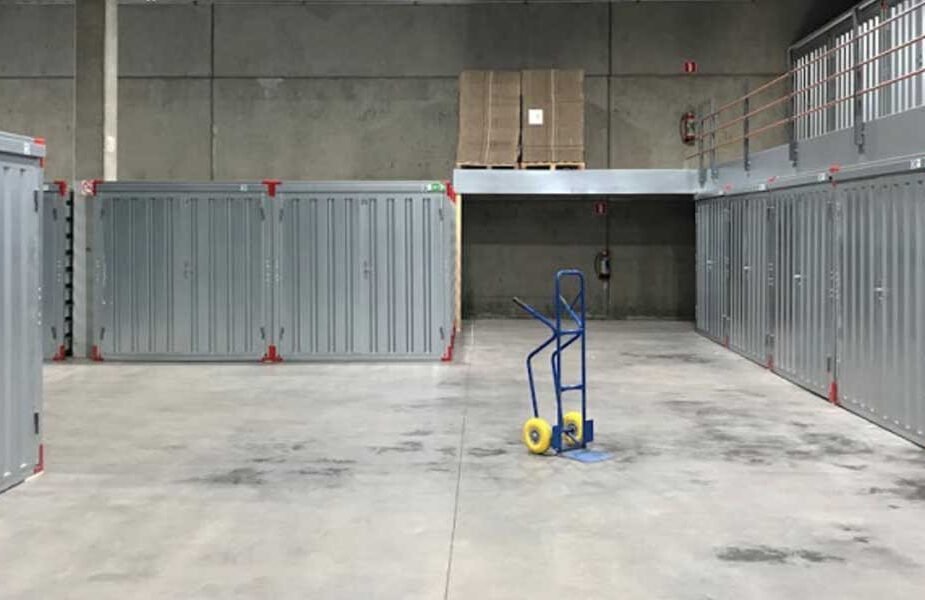
Adjustments often require temporarily relocating surplus materials or reorganizing staging areas to test new configurations. In such scenarios, some manufacturers turn to storage containers for rent to move non-critical inventory or rarely used materials out of the main production zone. This temporary flexibility allows teams to experiment with layout changes without committing to permanent structural alterations. By clearing congested areas and redefining transport routes, manufacturers create more direct pathways between processes.
Pull-Based Inventory
Excess inventory consumes space, capital, and attention. Traditional production models often rely on stockpiling raw materials and finished goods to buffer against demand fluctuations. While this approach may appear protective, it frequently conceals inefficiencies. Overstocked areas limit visibility into real demand patterns and create clutter that interferes with organized material flow. Lean site management replaces stockpiling with pull-based systems that align replenishment directly with production needs.
A pull-based model requires clearly defined reorder triggers, synchronized supplier schedules, and disciplined monitoring. Materials enter the production line in quantities that match actual usage rather than projected volume. This approach reduces holding costs and keeps the floor visually manageable. With less inventory occupying space, operators navigate more easily, and supervisors detect abnormalities faster. Pull systems strengthen transparency, making deviations in supply or demand immediately visible.
Workstation Standardization
Standardizing workstations builds consistency into daily operations. Variations in tool placement, process steps, and layout design introduce subtle inefficiencies that accumulate over time. Operators working at differently arranged stations may perform the same task with varying motion patterns and time requirements. Lean site management corrects this by establishing uniform layouts, documented procedures, and visual guides that reduce ambiguity.
A standardized environment supports faster onboarding and clearer performance measurement. New employees learn within a predictable structure, and supervisors can compare output across stations without accounting for layout differences. Standardization also simplifies troubleshooting. When each workstation follows the same configuration, identifying the source of delays becomes more straightforward.
Gemba Walks
Routine Gemba walks anchor lean management in real observation rather than assumption. Leadership presence on the production floor provides direct insight into how processes unfold in practice. Managers witness workflow interruptions, communication gaps, and equipment constraints firsthand. This visibility fosters grounded decision-making rooted in daily realities instead of abstract reporting.
Gemba walks also encourage employee engagement. Operators often identify small inefficiencies that may not surface in formal meetings. Structured walk-throughs create opportunities for feedback and collaborative problem-solving. Regular observation reinforces accountability and keeps continuous improvement embedded in routine operations.
5S Implementation
Applying 5S principles across departments strengthens discipline and clarity. Sorting removes unnecessary items from work areas. Organizing puts tools and materials in defined positions. Cleaning maintains operational readiness. Standardizing establishes consistent procedures. Sustaining reinforces adherence through routine checks. Together, these elements transform cluttered environments into structured production spaces.
A well-implemented 5S system improves efficiency and reinforces cultural expectations. Operators spend less time searching for tools or navigating obstructed pathways. Visual order makes abnormalities easier to detect, whether they involve misplaced materials or equipment irregularities. Extending 5S beyond production lines into maintenance rooms, storage areas, and administrative spaces creates alignment across the entire facility.
Changeover Efficiency
Production flexibility often depends on how quickly a line can transition between product runs. Long changeover periods consume valuable production time and create scheduling rigidity. Lean site management emphasizes structured changeover processes to minimize downtime while maintaining quality standards. Breaking the transition into defined steps, assigning responsibilities clearly, and preparing materials in advance all shorten setup windows.
Separating internal setup tasks from external preparation further improves efficiency. Tools, components, and documentation can be staged before the previous run concludes, reducing idle time once the line stops. Proper labeling and organized storage systems support faster transitions without confusion.
Compact Work Cells
Designing compact work cells groups related processes into self-contained units. Instead of spreading operations across large distances, lean site management brings complementary tasks closer together. Operators within a work cell can communicate directly, share responsibilities, and adjust to minor disruptions quickly. Reduced travel between steps supports smoother material progression.
Work cells also strengthen accountability. Each unit becomes responsible for a defined portion of output, allowing clearer performance tracking. When issues arise, teams can identify root causes within the cell without tracing problems across distant departments. Compact configurations reduce motion waste and improve coordination while preserving flexibility within the broader production layout.
Safety Alignment
Efficiency gains lose value if safety risks increase. Lean site management integrates safety considerations into every layout decision and workflow adjustment. Clear walkways, defined material zones, and organized storage areas reduce congestion and minimize accident potential. Visual markings and standardized pathways prevent cross-traffic conflicts between pedestrians and equipment.
Safety protocols should complement workflow design rather than operate separately from it. Organized environments reduce distractions and confusion, lowering the likelihood of operational errors. Regular safety audits aligned with lean objectives reinforce discipline without slowing productivity.
Lean site management in manufacturing depends on deliberate structure and disciplined execution. Optimized layouts reduce unnecessary motion, pull-based systems control inventory, standardized workstations create consistency, routine observation strengthens accountability, and 5S sustains order. Streamlined changeovers, compact work cells, and safety alignment further stabilize operations. Together, these elements transform the production floor into a coordinated system capable of steady, scalable performance.
Last modified: February 24, 2026