HVAC Contractors and the Value of Insulation Coordination
How Insulation Shapes HVAC Efficiency
Insulation directly influences how heating and cooling systems respond to demand. When walls, ceilings, and attics are properly insulated, HVAC equipment does not need to cycle as frequently to maintain indoor conditions. Poorly insulated spaces allow conditioned air to escape, forcing systems to work harder and longer. HVAC contractors who coordinate with insulation installers can identify areas where thermal loss occurs and adjust system sizing or airflow accordingly. This collaboration prevents uneven temperatures, drafts, and unnecessary strain on equipment components. When insulation placement aligns with duct routing and return locations, air distribution becomes more consistent. This results in steadier indoor conditions and more predictable energy usage throughout the year.
Collaboration During System Planning
Early coordination during planning stages can prevent costly adjustments later. When HVAC contractors understand insulation thickness, material type, and placement, they can design duct layouts that avoid compression or obstruction. In some projects, coordination includes verifying that insulation does not block vents, restrict airflow, or interfere with maintenance access points. In these scenarios, contractors may collaborate with insulation teams to adjust placement or recommend additional sealing. This process is often supported by service providers such as Quality HC, who emphasize alignment between system design and building envelope conditions. Planning together allows teams to address airflow resistance and thermal boundaries before equipment installation begins, reducing the likelihood of performance issues after occupancy.
Moisture Control and Airflow Balance
Insulation coordination also plays a significant role in moisture management. Improper insulation can create temperature differences that lead to condensation inside walls or ductwork. HVAC contractors assess airflow patterns and humidity control measures to reduce this risk. When insulation placement matches the airflow design, moisture buildup is less likely. Balanced airflow helps maintain stable indoor humidity levels, supporting occupant comfort and protecting building materials. Contractors may recommend vapor barriers or additional sealing in areas prone to moisture accumulation. These adjustments help maintain consistent system operation while protecting insulation materials from degradation over time.
Energy Consumption and Long-Term Costs
Energy use is closely tied to how well insulation supports HVAC performance. When insulation is coordinated properly, systems reach target temperatures more efficiently and maintain them with less effort. This reduces runtime and lowers energy consumption. Over time, reduced workload helps extend equipment lifespan and limits the frequency of repairs. HVAC contractors consider insulation quality when evaluating system load requirements, ensuring that equipment capacity matches actual demand. This approach prevents oversizing or undersizing, both of which can cause inefficiencies. Long-term cost predictability improves when insulation and HVAC systems work together rather than competing against building deficiencies.
Small Adjustments With Large Impact
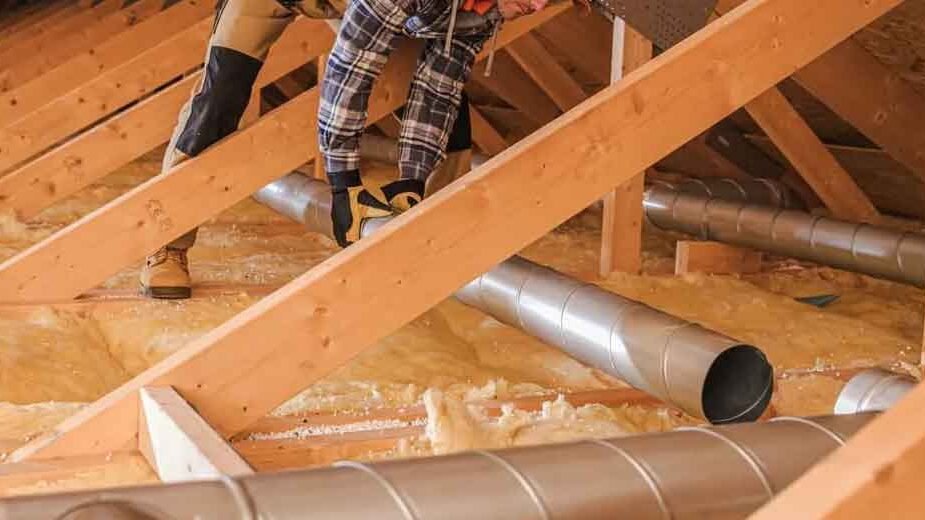
Minor insulation adjustments can produce noticeable improvements in HVAC operation. Sealing gaps around duct penetrations, reinforcing attic insulation near air handlers, or correcting compressed insulation around supply lines can significantly improve airflow efficiency. HVAC contractors often identify these opportunities during system evaluations or routine service visits. Addressing small insulation issues helps stabilize indoor temperatures and reduces unnecessary system cycling. These refinements do not require major construction but can deliver measurable improvements in comfort and energy performance. Coordinated efforts ensure that HVAC systems operate within intended design parameters.
Communication Between Trades
Effective communication between HVAC and insulation teams supports smoother project execution. Clear documentation of insulation specifications allows contractors to anticipate how air will move through a building. When teams share information about material choices and installation methods, conflicts can be avoided. HVAC contractors rely on this transparency to adjust system layout, register placement, and airflow calibration. Communication also ensures that future maintenance access is preserved, preventing insulation from blocking service panels or filter locations. This coordination reduces delays and minimizes the need for corrective work after installation is complete.
Balancing Insulation and Airflow
Proper coordination does not require complex systems, but it does require attention to detail. When insulation thickness aligns with duct clearances and vent placement, airflow remains unobstructed. HVAC contractors monitor these relationships during installation to ensure consistency. A well-coordinated setup supports steady indoor temperatures and efficient operation without unnecessary adjustments. This focused approach highlights how small planning efforts can prevent performance issues and improve system reliability over time.
The relationship between insulation and HVAC systems has a lasting effect on comfort, efficiency, and building health. Coordinated planning ensures that heating and cooling equipment operate within a stable thermal environment, reducing energy use and mechanical strain. HVAC contractors who work alongside insulation teams help create balanced airflow, controlled moisture levels, and predictable system behavior. This collaboration supports long-term performance while minimizing future adjustments and repair needs. By recognizing insulation as a critical partner in HVAC success, property owners can achieve dependable comfort and consistent system operation for years to come.
Last modified: January 7, 2026