How to Protect Your Home’s Foundation During Major Renovations
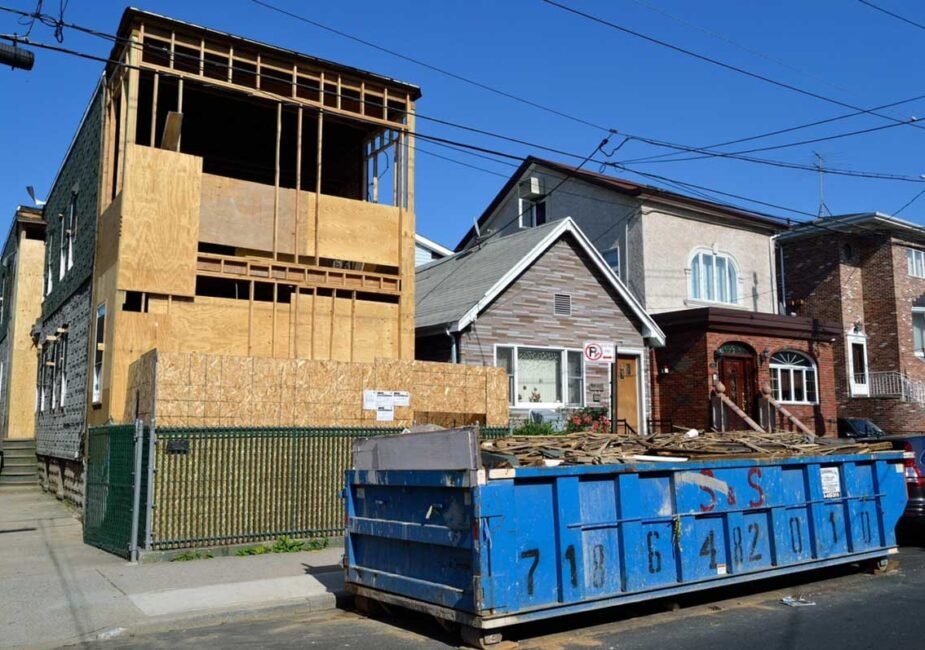
How do you renovate without damaging your home’s foundation?
Every year homeowners dive into major renovations without considering the single most important thing…the foundation. In fact, according to Clever Real Estate, 78% of homeowners went over budget on their previous renovation project. Guess what eats into your budget? Foundation damage you never expected.
Don’t stress.
Protecting your foundation during a major renovation is possible with the right knowledge and preparation.
Here’s how…
What you’re about to learn:
- Why Foundations Are At Risk During Renovations
- Threats To Your Home’s Foundation
- How Civil Engineering Principles Apply To Your Home
- 5 Practical Ways To Protect Your Foundation During Renovations
Why Foundations Are At Risk During Renovations
Here’s the reality most homeowners don’t realise…
Major renovations place huge amounts of stress on your home’s foundation. Demolition work, excavation near the perimeter, adding extra levels to your home… these types of changes alter the way pressure is distributed across your home.
When pressure is shifted during a renovation, your foundation can become susceptible to cracking, shifting and settlement. Foundation repair has become a billion dollar industry in 2025 and much of that is due to renovation projects that didn’t consider the hidden risks below.
Renovations are exciting. But foundation damage during construction can lead to budget busting expenses.
Threats To Your Home’s Foundation
Not all renovations are created equal. There are specific things homeowners can do during a project that put the foundation at risk.
Major Foundation Risks Include:
- Excavating too close to your foundation
- Removing any structural or load bearing walls
- Allowing heavy construction equipment to operate too close to home
- Changing how water drains around your home
While some foundations can handle these types of changes, others can fail seemingly overnight. Understanding these risks and talking to a structural engineer can help you prevent foundation damage during construction.
How Civil Engineering Principles Apply To Your Home
Bear with me for a second…
Civil Engineers who specialise in transport infrastructure consulting spend their days protecting roads, tunnels and bridges from the same things that can negatively impact your foundation. They work with soil analysis, vibration control, load distribution daily when designing large scale infrastructure projects.
The same principles can be applied to your home. By consulting with a professional civil engineer consultant in Melbourne, you get the advantage of their years of experience.
Transport infrastructure engineers don’t go building a tunnel without analysing the soil first. Homeowners shouldn’t knock down walls or add new stories without taking the proper precautions.
Getting your home assessed by a structural engineer before renovation work begins is a smart move. Their inspection will flag any potential issues with your foundation and prevent unnecessary damage and costs.
Practical Ways To Protect Your Foundation During Renovations
All the theory in the world doesn’t mean much without some practical ways to keep your foundation safe during major construction. So here are five things you can do to prevent renovation disasters…
Hire a Structural Engineer Before Starting Work
Your renovation should always start with a professional foundation inspection. A structural engineer will let you know if there are any preexisting issues with your foundation.
They’ll test the soil, check load-bearing capacity and examine the foundation for cracks. If you know what you’re up against before renovation work begins, you’ll avoid a lot of problems down the track.
This is the number one most important step. If you don’t have a professional inspection before work begins, you run the risk of doing serious (and expensive) damage to your foundation.
Monitor Soil Conditions Throughout The Project
Soil type plays a huge role in foundation stability. Heavy clay soil reacts very differently to sandy soils.
Monitoring moisture content and drainage during construction will help you identify potential problems before they become huge expenses.
Pay extra attention to where water pools around your foundation. Additionally, make sure that heavy equipment doesn’t operate too close to your home during construction. Vibrations can make a big difference.
Control Vibrations During Construction
Speaking of vibrations…
Heavy construction equipment should never be operating next to your home during construction. Keep them at a distance if possible.
If vibration causing work is required near your foundation, inspect your foundation for cracks afterwards.
It’s better to know if your foundation was affected rather than wait for the middle of winter to find out.
Consider Underpinning Beforehand
Underpinning is the process of strengthening an existing foundation by extending it to deeper, more stable soil.
When adding extra levels onto a home or excavating near foundation walls, underpinning may be necessary to ensure structural stability.
It’s not cheap to have done… but it’s cheaper than fixing a failed foundation.
Ensure Proper Drainage During Construction
Water. Water will find a way to damage your home if you let it.
Too often home renovations fail to consider drainage, which can change drastically during construction.
Make sure you know where all your drainpipes and downspouts are located at all times. By taking the time to understand how water flows around your property, you can prevent major foundation issues occurring.
Bringing It All Together
Major renovations can turn your dream home into a nightmare if you’re not careful. Too often homeowners focus purely on the renovations at hand. They forget about the very thing holding their house up.
To save yourself a lot of stress and money… don’t be that guy.
Remember to:
- Get your home inspected by a structural engineer
- Consider soil conditions around your foundation
- Protect your foundation from heavy vibrations
- Maintain proper drainage around your home
Any major renovation has the potential to cause damage to your foundation. But that doesn’t mean you should avoid those home renovations you’ve been dreaming about.
Planning ahead and taking the proper precautions will set you up for success. And will keep your wallet full.
Let’s make this happen.
Last modified: February 19, 2026