How to Choose the Right Plumbing Fixtures for Your?
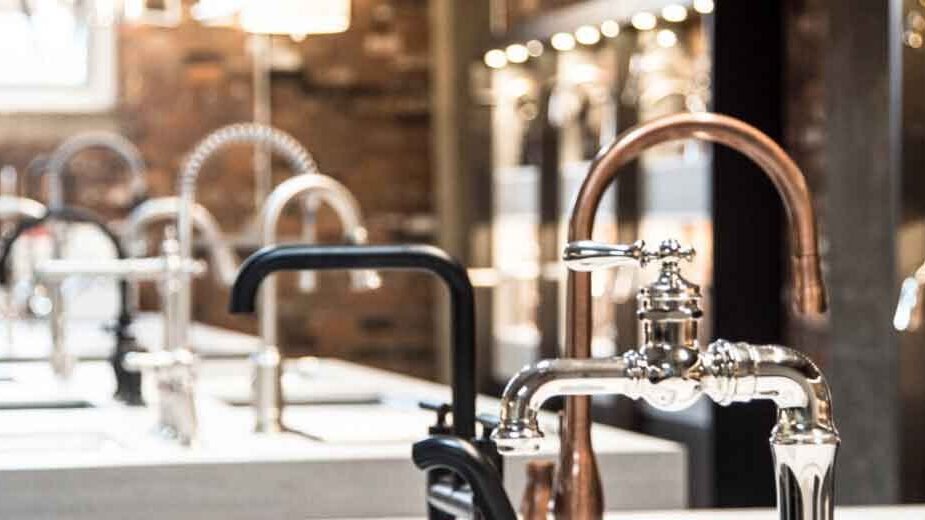
Plumbing fixtures are essential to everyday comfort, yet they are often selected quickly without much consideration beyond appearance, notes leading property management Saratoga CA companu, Action Properties, Inc. Faucets, sinks, showers, and toilets affect how water flows through your home, how efficiently it is used, and how reliable your plumbing feels over time. The wrong fixtures can lead to frustration, frequent maintenance, or wasted water, while well-chosen options support smoother routines and long-term reliability. Choosing the right plumbing fixtures requires balancing function, durability, and compatibility with your home’s existing system. When homeowners understand what truly matters before buying, fixture selection becomes a practical decision that supports comfort, efficiency, and peace of mind for years to come.
Key Factors That Shape Fixture Choices
- Matching Fixtures to Household Needs
Every household uses plumbing differently, making daily habits an important starting point when selecting fixtures. A busy family kitchen may need a faucet that handles constant use and heavy cleaning, while a guest bathroom may benefit from simpler, easy-to-maintain fixtures. Bathrooms used by multiple people often require durable components that operate smoothly even with frequent use. Some homeowners realize how important this is only when an emergency arises and they search for a 24-hour plumber in Philadelphia, discovering that fixture choice affects how often issues occur. Considering how many people use each space, how frequently fixtures are used, and for what purposes helps narrow options to fit real-life needs rather than idealized designs.
- Understanding Water Flow and Pressure Compatibility
Water flow and pressure directly affect a fixture’s performance after installation. A fixture that looks appealing may feel disappointing if it does not work well with your home’s water pressure. Low-flow fixtures are designed to reduce water usage, but they must still deliver steady and comfortable performance. Homes with lower pressure may require fixtures intended to maintain consistent flow, while dwellings with higher pressure may require fixtures that can handle it without excessive wear. Understanding these details prevents issues such as weak sprays, uneven temperature control, or noisy operation. Compatibility between fixtures and your plumbing system ensures comfort while supporting efficiency and long-term reliability.
- Balancing Design With Practical Function
Style matters, but it should never overshadow function. Plumbing fixtures contribute to the overall look of kitchens and bathrooms, but they are also handled multiple times every day. Handles should feel comfortable, controls should respond smoothly, and finishes should be easy to keep clean. Some finishes show water spots or fingerprints more easily, increasing maintenance effort. Others maintain their appearance with minimal care. Choosing designs that suit both your décor and daily use ensures fixtures remain enjoyable rather than inconvenient. A fixture that looks impressive but feels awkward or difficult to operate quickly loses its appeal.
- Considering Durability and Long-Term Maintenance
Durability is a key factor that often separates short-term satisfaction from long-term frustration. Fixtures made with solid internal components tend to perform more consistently and require fewer repairs. Maintenance expectations should be considered before purchasing, including how easy it is to access parts for future adjustments. Some fixtures are more complex internally, which can increase maintenance time and cost. Others are designed for simplicity, making them easier to service. Thinking about durability helps homeowners avoid frequent replacements and unexpected issues. Reliable fixtures support smoother daily routines and reduce long-term plumbing concerns.
- Ensuring Compatibility With Existing Plumbing
Not all fixtures are compatible with every plumbing system. Pipe size, connection type, and existing layout all influence installation success. Older homes may require fixtures compatible with legacy plumbing, while newer homes often offer greater flexibility. Confirming compatibility before purchasing helps avoid delays, additional costs, and performance issues after installation. When fixtures fit correctly, water flows as intended, and stress on pipes and seals is reduced. This attention to compatibility supports both performance and longevity.
- Budgeting for Value Over Time
While budget matters, focusing only on upfront cost can be misleading. Lower-cost fixtures may require earlier replacement or more frequent repairs, increasing overall expense. Fixtures that perform reliably over many years often provide better value, even if the initial cost is higher. Planning a realistic budget for each space allows homeowners to prioritize durability where it matters most. Viewing fixtures as long-term investments rather than short-term upgrades leads to more confident and satisfying choices.
Selecting the right plumbing fixtures is about more than appearance. It involves understanding how your household uses water, how fixtures interact with your plumbing system, and how they will perform over time. Thoughtful choices support comfort, efficiency, and reliability while reducing maintenance concerns. When homeowners consider function, compatibility, and durability together, fixtures become dependable parts of daily life rather than sources of frustration. With a clear approach and informed decision-making, plumbing fixtures can enhance your home’s look and performance for years to come.
Last modified: January 6, 2026