How Solar Companies Evaluate Your Roof for Solar Suitability
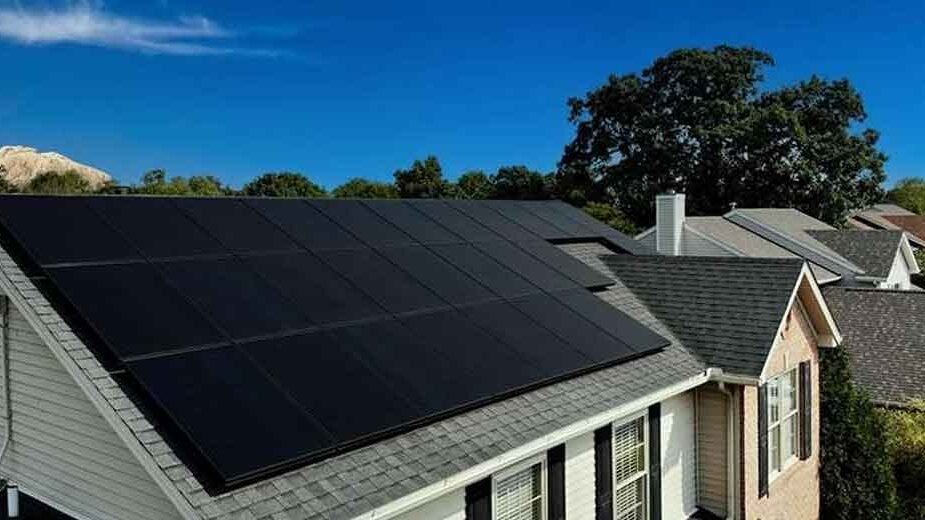
Before any panels are ordered or permits are discussed, a thorough roof evaluation sets the foundation for a successful solar installation. According to Midway Management Company, homeowners often assume the process is limited to measuring roof size, but in reality, it is far more methodical. Solar providers must assess structural conditions, environmental exposure, and long-term performance factors to determine whether a roof can support a solar system that operates reliably for decades. We will explore how these evaluations are conducted, what professionals look for during inspections, and why each step matters for safety, efficiency, and return on investment. Understanding this process helps homeowners make informed decisions, prepare their properties in advance, and have realistic expectations when engaging with a solar company for an on-site or remote assessment.
Key Factors Solar Companies Review During a Roof Evaluation
- Roof Orientation, Pitch, and Sun Exposure Analysis
One of the first technical considerations in a solar roof assessment is how the roof interacts with sunlight throughout the day and across seasons. Solar companies in Pleasanton analyze roof orientation to determine which surfaces receive the most consistent solar exposure. South-facing roof planes typically collect more sunlight in many regions, but east- and west-facing surfaces can also perform well depending on energy usage patterns. Roof pitch is equally important, as it affects how directly sunlight strikes the panels and how easily debris or water can shed from the roof. In addition to these physical angles, shading analysis plays a major role. Trees, nearby buildings, chimneys, and even future construction are evaluated using sun path modeling tools. These tools simulate the movement of sunlight throughout the year to identify potential obstructions. This step ensures the system design accounts for real-world conditions rather than assumptions, helping to avoid underperformance caused by preventable shading issues.
- Structural Integrity and Load-Bearing Capacity
Beyond sunlight access, solar companies must confirm that the roof structure can safely support the additional weight of a solar array. This involves reviewing the roof age, the condition of the rafters and trusses, and the construction materials. Asphalt shingles, tile, metal, and flat roofing systems all have different load tolerances and attachment requirements. Inspectors look for signs of sagging, water damage, or previous repairs that could indicate underlying weaknesses. In some cases, building plans or permits are reviewed to understand how the roof was originally engineered. If concerns arise, companies may recommend reinforcement or roof repairs before proceeding. This step protects homeowners from future structural issues and ensures compliance with local building standards. A careful load assessment also reduces long-term risks, such as leaks or stress fractures, that could compromise both the roof and the solar system.
- Roof Age, Material Condition, and Remaining Lifespan
Solar panels are designed to operate for decades, so the condition and remaining lifespan of the roof beneath them are critical factors. Solar companies assess the roof’s age and remaining useful life. Installing panels on a roof that may need replacement within a few years can lead to unnecessary removal and reinstallation costs later. Inspectors examine shingles or tiles for wear, cracking, curling, or granule loss, and assess flashing and seal integrity around vents and edges. Flat roofs are checked for membrane condition, drainage effectiveness, and signs of pooling water. This evaluation helps determine whether a roof can support a long-term installation without interruption. If replacement or major repairs are advisable, they are usually recommended before solar installation. Aligning roof longevity with system lifespan is a practical step that protects the homeowner’s investment and avoids avoidable complications.
- Electrical Infrastructure and System Compatibility
A roof evaluation does not happen in isolation from the home’s electrical system. Solar companies assess how the roof layout aligns with electrical pathways for connecting panels to inverters and to the main service panel. They consider the distance between the roof and electrical equipment, available conduit routes, and potential obstacles that could complicate installation. The condition and capacity of the existing electrical panel are also reviewed to ensure it can accommodate a solar connection without safety concerns. Grounding requirements, shutoff locations, and compliance with local electrical codes are part of this review. From a roof perspective, companies identify safe penetration points that minimize leak risk and enable secure mounting. This integrated approach ensures that the roof and electrical system work together efficiently, reducing installation time and helping the system operate smoothly once activated.
- Local Climate, Weather Patterns, and Environmental Factors
Environmental conditions play a significant role in assessing solar suitability, and roof evaluations account for them carefully. Solar companies analyze local climate patterns, including average temperatures, wind exposure, rainfall, and the likelihood of extreme weather events. Roofs in high-wind areas may require different mounting solutions, while regions with heavy rain demand careful attention to waterproofing and drainage. Dust, pollen, and air quality can also affect panel performance and maintenance needs. Additionally, seismic considerations may influence attachment methods in certain locations. By factoring in these environmental elements, companies can recommend system designs that align with local conditions. This ensures the roof can support not only the panels themselves but also the ongoing demands of the surrounding environment. The result is a system designed for durability, safety, and consistent energy production over time.
A comprehensive roof evaluation is a foundational step in determining whether a home is suitable for solar energy. It goes far beyond surface-level measurements and involves a detailed review of sunlight exposure, structural capacity, material condition, electrical compatibility, and environmental influences. By understanding how solar companies approach this process, homeowners can better prepare their properties and engage in informed discussions during consultations. A well-assessed roof supports smoother installations, fewer surprises, and greater confidence in the transition to renewable energy.
Last modified: January 6, 2026