How Smoke Detectors Protect Sleeping Occupants?
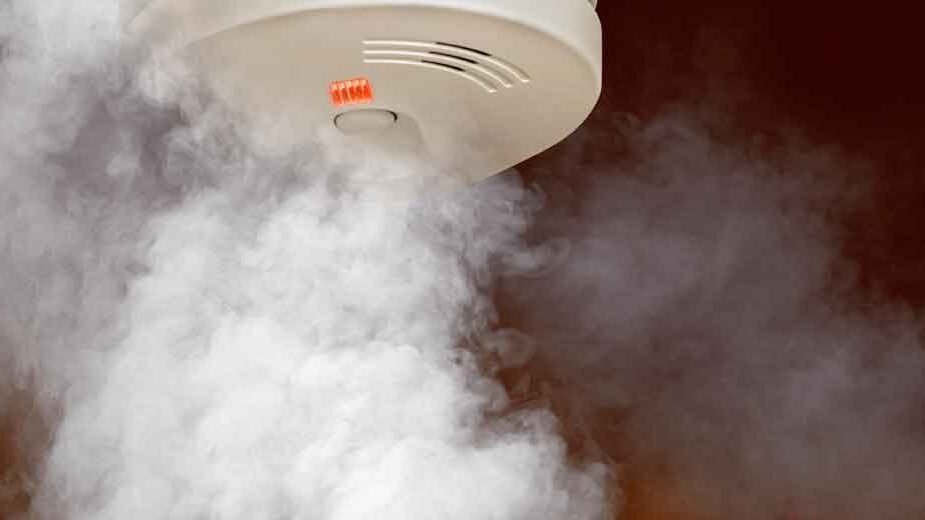
Fires are especially dangerous at night, when occupants are asleep and less likely to notice early warning signs. Smoke can spread quietly, reducing oxygen levels and causing disorientation before flames are visible. During sleep, the body’s senses are dulled, making it harder to detect smoke or hear subtle danger signals. This is why early alerts are critical. Smoke detectors provide a constant safeguard, monitoring indoor air quality even when everyone is asleep. Their purpose is simple but vital: to offer a loud, unmistakable warning that breaks through sleep and gives occupants time to react. Understanding how smoke detectors protect sleeping occupants highlights their importance as a core element of home safety.
Why nighttime detection matters
- How Smoke Detectors Respond Faster Than Human Senses
Smoke detectors are designed to detect changes in air quality long before a sleeping person would notice danger. While asleep, breathing slows and awareness drops, which increases the risk of smoke inhalation without realizing it. Detectors continuously sample the air, identifying smoke particles or rapid temperature changes depending on their design. When triggered, they emit a piercing alarm intended to wake occupants quickly. This immediate alert compensates for the body’s reduced responsiveness during sleep. Without such a system, a fire that begins in another room could grow significantly before anyone becomes aware. Early detection creates a critical time window for safe evacuation, especially in homes with multiple bedrooms or levels.
- Waking Occupants Before Smoke Becomes Disabling
One of the greatest dangers of nighttime fires is that smoke can incapacitate occupants before they awaken naturally. Smoke detectors are calibrated to sound alarms at levels designed to cut through deep sleep. This sudden noise stimulates the brain and prompts an immediate response. In many cases, the alarm wakes occupants while conditions are still survivable. Homeowners who rely on a smoke detector replacement service often do so to ensure alarms function reliably, especially as detectors age and sensitivity declines. A functioning alarm provides the necessary warning to move quickly, call emergency services, and escape before smoke exposure becomes severe. This early sleep interruption can make the difference between a safe exit and a dangerous delay.
- Why Sound and Placement Matter
Smoke detector alarms are engineered to produce specific sound patterns that are more likely to wake sleeping individuals. Placement near bedrooms and along exit paths ensures the alarm is heard clearly, even with doors closed. The combination of volume, tone, and location maximizes the chance that occupants will respond quickly. This design approach accounts for variations in sleep depth and hearing sensitivity. Proper placement ensures that the warning reaches occupants regardless of where a fire starts. When detectors are positioned thoughtfully, they create a network of alerts that work together to protect everyone in the home.
- Reducing Panic Through Early Warning
Early alerts not only wake occupants but also reduce panic by providing more time to think and act. When people are awakened early in a fire’s development, visibility is often better, and escape routes are clearer. This allows for calmer decision-making, such as assisting children or elderly family members. Smoke detectors help create a structured response rather than a rushed reaction under extreme conditions. By alerting occupants before the environment becomes chaotic, detectors support safer evacuation. This controlled timing is especially important at night, when confusion is more likely. Early warnings transform a potentially overwhelming situation into one that can be managed more safely.
- Maintaining Reliability for Nighttime Protection
Reliability is essential for smoke detectors to protect sleeping occupants effectively. Batteries, sensors, and internal components must function properly at all times. Regular testing ensures alarms will sound when needed. Over time, dust buildup or aging sensors can reduce sensitivity, making maintenance and timely replacement important. A detector that fails at night leaves occupants vulnerable during their most defenseless hours. Consistent upkeep preserves the reliability of this safety system. When properly maintained, smoke detectors remain vigilant, providing peace of mind that protection continues even when the household is asleep.
Smoke detectors play a crucial role in protecting sleeping occupants by providing early warning when awareness is lowest. Their ability to detect smoke quickly and sound loud alarms helps overcome the body’s natural vulnerability during sleep. Proper placement, reliable operation, and timely maintenance ensure these devices perform as intended. By waking occupants before smoke becomes disabling, detectors create valuable time for escape and reduce the risk of serious harm. Though often unnoticed, smoke detectors act as quiet guardians throughout the night, standing watch to protect lives when people cannot defend themselves.
Last modified: December 17, 2025