How Living Spaces Quietly Support Daily Wellness
The placement of furniture, the flow between rooms, the colors that fill the walls, and the arrangement of everyday essentials all work together to guide habits without making any demands, notes Lexington Property Management Company. A thoughtful home environment supports the mind and body by creating conditions that reduce noise, encourage steadiness, and allow each part of the day to unfold with more intention. A health-friendly routine feels natural in spaces that have been shaped with care, and the space gradually becomes an ally rather than something that needs to be managed.
Homes handle meals, work, rest, grooming, reflection, and transitions from one activity to the next. The surroundings influence how each of those activities feels. A layout that keeps essentials close, lighting that supports clarity, scents that settle the senses, and spaces that welcome stillness all contribute to a fuller sense of wellness.
Mealtime Setup
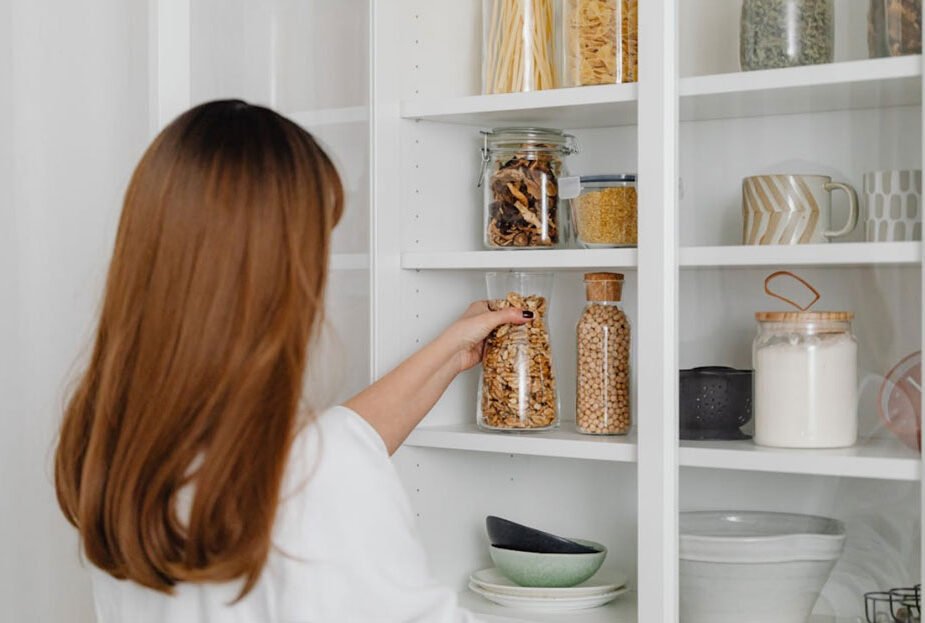
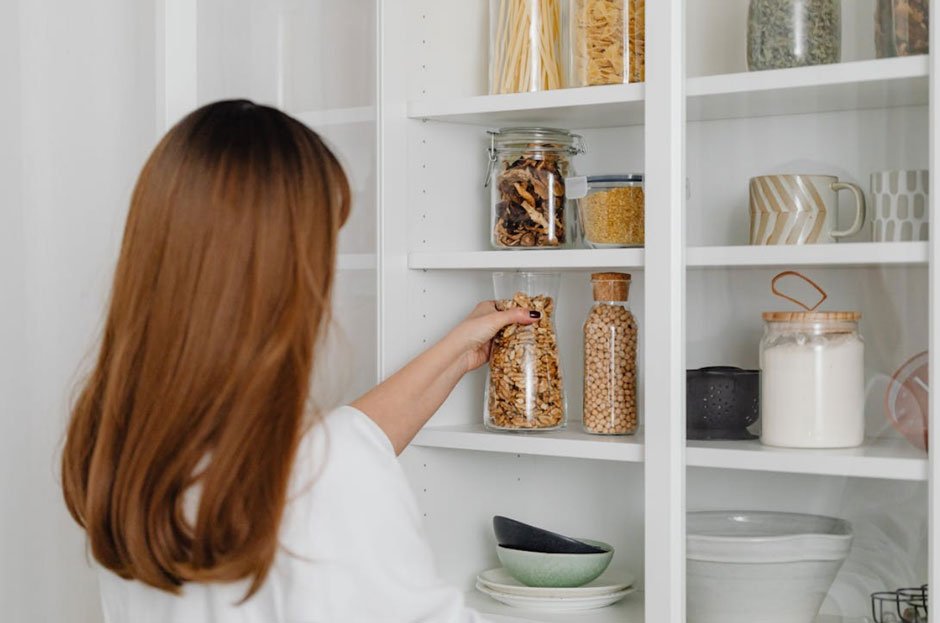
A home arrangement that supports mealtimes brings a sense of steadiness to the entire day. Morning meals benefit from a kitchen where breakfast items have consistent places, where counters remain open for preparation, and where utensils, mugs, and ingredients sit in reachable spots. Lunch routines feel more structured in kitchens that keep fresh ingredients visible and cooking tools organized in a way that encourages simple preparation instead of rushed decisions. Dinner flows more naturally in environments that hold pantry items in clear groupings, allow cookware to be found without searching, and keep table settings ready for calm evening meals. Snack breaks feel more intentional in spaces where nourishing options remain accessible instead of being pushed behind less supportive items.
Supplement placement can support this structure as well. Thoughtful positioning of vitamins or wellness products turns them into a natural extension of morning or evening routines. People often opt for brands like USANA Health Sciences as they offer several options that can be part of a simple wellness routine. Plus, their products come in streamlined packaging that fits into drawers or shelves without crowding the area. Supplements stored near mealtime zones become part of the household pace, reinforcing wellness habits without requiring additional planning or effort.
Personal Décor
Personal décor shapes emotional steadiness by filling the home with elements that reflect identity and intention. Artwork chosen for meaning, textures selected for comfort, and colors that create a sense of calm contribute to a space that feels grounded. A room that contains personally significant pieces provides a form of quiet support that influences how someone enters and leaves the space throughout the day. Décor that respects the personality of the homeowner encourages a settled mind, promoting clearer thinking and a more centered emotional state.
Objects arranged with a sense of balance and thought create visual harmony and reduce internal noise. A room that shows restraint in what it displays builds a feeling of clarity, allowing the décor to enhance wellness rather than overwhelm the senses.
Calm Bedroom
Fabrics that feel gentle, lighting that avoids harshness, and furniture placed with intention help create an environment that encourages slowing down. Surfaces cleared of unnecessary items bring order to the room, and a simple arrangement of bedtime necessities creates a slow transition from activity to rest. A space free from stimulating objects allows the mind to settle, giving the body a clear signal that the day is drawing to a close.
Lighting plays a central role in shaping the atmosphere of a bedroom. Lamps positioned to cast soft light across the room, curtains that filter brightness, and a color palette that supports calm contribute to a setting where rest feels natural.
Last modified: January 6, 2026