How Gyms Support Consistent Fitness and Healthy Routines?
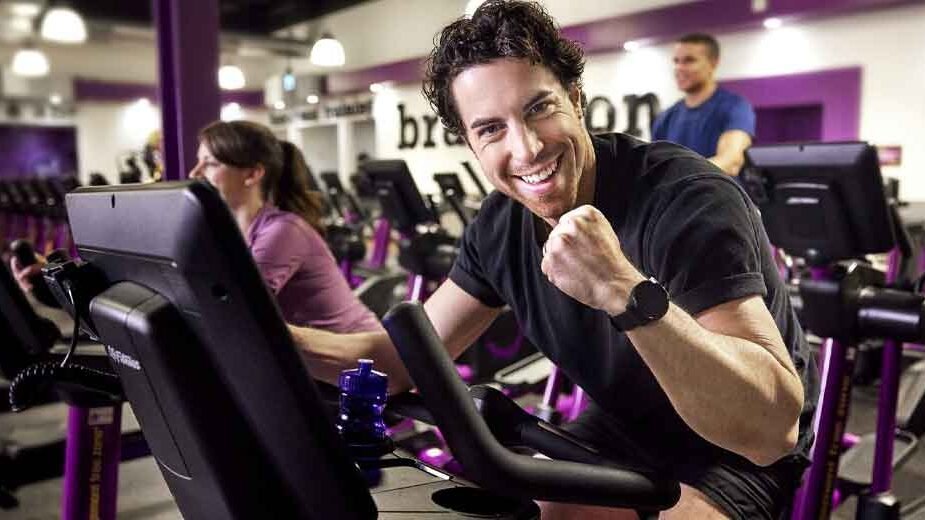
Gyms have become central to how people approach physical activity, offering structured environments that support movement, discipline, and routine. Unlike informal home exercise, gyms provide dedicated spaces for training, recovery, and gradual progress. Equipment placement, open areas, and guided programs help individuals stay focused on their goals while reducing distractions. For many people, stepping into a gym creates a mental shift that reinforces commitment and consistency. Understanding how gyms function beyond equipment helps explain why they continue to play an important role in building sustainable fitness habits and supporting long-term well-being.
Gyms as Structured Wellness Spaces
- The Role of Environment in Motivation
A gym environment is carefully arranged to encourage physical activity and reduce barriers to movement. Lighting, spacing, and layout influence how comfortable people feel while exercising. Seeing others engaged in training can reinforce motivation and normalize effort, especially during challenging sessions. Gyms create a shared atmosphere where progress feels collective rather than isolated. Many individuals begin their fitness journey by visiting local gyms in my area, discovering that proximity and familiarity make it easier to show up regularly. The environment supports routine by separating workout time from home responsibilities, helping people stay mentally present during training.
- Equipment Access and Training Variety
Gyms offer access to a wide range of equipment that supports a variety of training styles. Cardio machines, free weights, resistance systems, and functional training areas allow individuals to adapt workouts as their needs change. This variety reduces monotony and supports balanced development across strength, endurance, and mobility. Access to equipment also enables progression by allowing gradual increases in resistance or intensity. Unlike limited home setups, gyms provide flexibility that helps people adjust routines without needing constant replacements. Equipment availability supports consistency by making it easier to modify workouts while maintaining structure.
- Structured Programs and Guided Workouts
Many gyms offer structured programs that provide direction for individuals who prefer guidance. Group classes, scheduled sessions, and training plans help remove uncertainty about what to do during a workout. This structure supports accountability and reduces decision fatigue. Guided workouts also introduce new movements and training approaches, keeping routines engaging. Even without personal coaching, program-based schedules help people stay on track. Structure transforms exercise from a vague intention into a clear sequence of actions, making it easier to maintain regular participation over time.
- Social Interaction and Community Influence
Gyms often foster a sense of community that influences motivation and adherence. Casual interactions, shared routines, and familiar faces create social reinforcement. This sense of belonging can make workouts feel more enjoyable and less solitary. Community influence also encourages consistency, as people are more likely to attend sessions when they feel connected to the space and its members. While individual goals differ, shared effort creates a supportive backdrop that sustains engagement. Social presence does not require constant interaction; simply being part of a community can reinforce commitment.
- Flexibility Across Fitness Levels
Gyms accommodate a wide range of fitness levels, from beginners to long-term participants. Equipment adjustments, varied class intensities, and open training spaces allow individuals to work at their own pace. This flexibility helps reduce intimidation and supports gradual progress. People can modify workouts as strength, endurance, or confidence improves. Gyms that support diverse needs encourage long-term participation by meeting individuals where they are rather than imposing uniform expectations. This adaptability is key to sustaining fitness routines across different life stages.
- Recovery Spaces and Balance
Modern gyms increasingly recognize the importance of recovery alongside training. Stretching areas, mobility zones, and quiet spaces support post-workout recovery and injury prevention. These areas encourage balance by reminding participants that rest and restoration are part of progress. Recovery-focused spaces help reduce burnout and support overall physical health. By integrating recovery into the environment, gyms promote sustainable routines rather than short-term intensity. This balance supports longevity in fitness practice.
- Scheduling and Habit Formation
Gyms support habit formation by offering predictable schedules and consistent access. Opening hours, class times, and membership structures create rhythm in daily or weekly routines. Scheduling workouts becomes easier when time slots are clearly defined. Over time, attending the gym becomes part of normal routine rather than a disruptive task. Habit formation is reinforced by repetition and environmental cues, both of which gyms provide. This predictability helps individuals maintain momentum even when motivation fluctuates.
Gyms play an important role in supporting consistent fitness through structure, environment, and accessibility. By offering dedicated spaces, varied equipment, and supportive routines, gyms help individuals build sustainable habits over time. Social presence, guided programs, and recovery resources contribute to balanced approaches that encourage long-term participation. Rather than focusing only on workouts, gyms support broader lifestyle patterns that promote regular movement and well-being. When used intentionally, gyms become reliable partners in maintaining physical activity and supporting healthier routines over the long term.
Last modified: December 30, 2025