How do Used Car Dealerships Support Confident Vehicle Ownership?
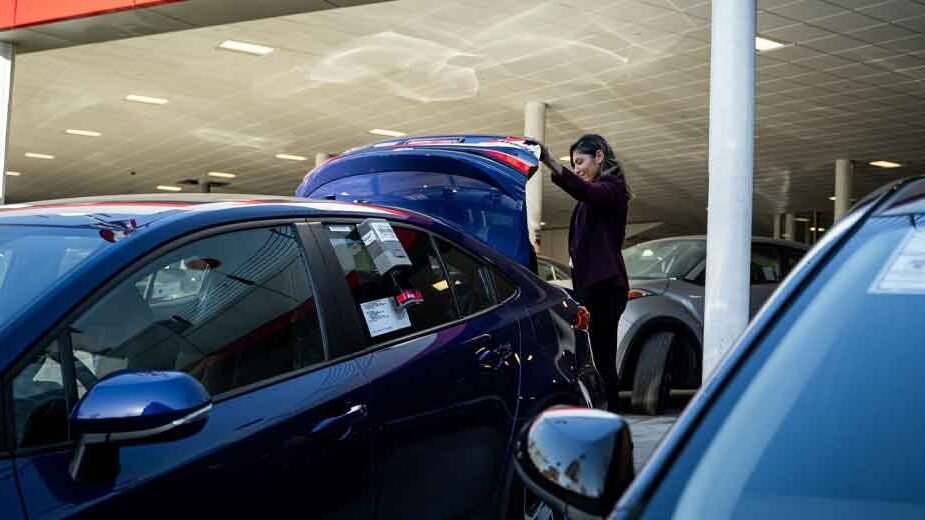
Buying a vehicle is a significant decision that affects daily routines, finances, and long-term reliability. For many buyers, pre-owned vehicles offer a balanced option between affordability and functionality. Used car dealerships play an important role in this process by organizing inventory, providing vehicle history context, and helping buyers navigate choices that match their needs. Rather than focusing solely on selling cars, these dealerships often serve as intermediaries between prior ownership and new ownership. Understanding how used-car dealerships operate helps buyers approach the process with clarity and realistic expectations, leading to more confident ownership over time.
A Practical Path to Vehicle Access
- Inventory Selection and Vehicle Sourcing
Used car dealerships begin their work long before a buyer steps onto the lot. Vehicles are sourced through trade-ins, auctions, lease returns, and fleet reductions. Each source presents different considerations regarding mileage, wear, and maintenance history. Dealerships review incoming vehicles to determine whether they align with their inventory goals and customer demand. This selection process helps create a range of options across price points and vehicle types. When buyers visit a used car dealership, they are seeing the result of this behind-the-scenes sourcing effort. The goal is to offer vehicles that meet practical transportation needs while fitting local market preferences.
- Inspection and Preparation Processes
Before vehicles are offered for sale, used car dealerships typically perform inspections to assess mechanical condition, safety features, and overall functionality. These checks help identify issues that may need attention before resale. Preparation may include basic repairs, fluid changes, or cosmetic enhancements to improve drivability and appearance. While not every vehicle undergoes the same level of work, inspection processes help dealerships set fair prices and ensure transparency. This preparation stage supports buyer confidence by reducing uncertainty about immediate usability. Clear documentation of the condition also helps align expectations between buyers and sellers.
- Pricing Structure and Market Alignment
Pricing at used car dealerships reflects a combination of vehicle condition, market demand, mileage, and regional trends. Dealerships monitor local and national pricing data to ensure vehicles are positioned competitively. Transparent pricing helps buyers compare options and understand how features and conditions influence cost. While negotiation may still occur, structured pricing provides a reference point grounded in market realities. This approach supports informed decision-making rather than guesswork. Buyers benefit from understanding how pricing is determined, as it highlights the relationship between cost, reliability, and expected ownership experience.
- Financing and Transaction Support
Many used car dealerships assist buyers with financing options, helping them navigate loan terms and payment structures. This support simplifies the purchasing process, especially for buyers unfamiliar with automotive financing. Dealerships coordinate with lenders to present options that align with credit profiles and budgets. A clear explanation of terms helps buyers understand long-term commitments. Transaction support also includes handling paperwork, coordinating registrations, and ensuring compliance with local regulations. By managing these details, dealerships reduce administrative stress and help buyers focus on selecting the right vehicle.
- Vehicle History Transparency
Access to vehicle history information is a key aspect of the used car buying process. Dealerships often provide reports outlining ownership changes, accident records, and maintenance events, when available. This transparency allows buyers to assess potential risks and compare similar vehicles. Understanding history helps set realistic expectations for longevity and future maintenance needs. While no pre-owned vehicle is without wear, access to documented history helps buyers feel more informed. Transparency builds trust and supports long-term satisfaction.
- Customer Guidance and Decision Support
Used car dealerships often guide buyers through selection by discussing intended use, driving habits, and budget considerations. This conversational approach helps narrow options without overwhelming buyers. Dealership staff explain differences between models, fuel types, and ownership costs in practical terms. This guidance is especially helpful for first-time buyers or those returning to the market after many years. By focusing on suitability rather than trends, dealerships help buyers align vehicle choice with real-world needs. Thoughtful guidance supports a smoother ownership experience after purchase.
- After-Sale Support and Responsibility
The role of a used car dealership does not always end when the sale is complete. Many dealerships offer limited warranties, service referrals, or maintenance schedule guidance. This after-sales support helps buyers transition into ownership with clearer expectations. While responsibility ultimately rests with the owner, dealerships that offer post-sale assistance build buyer confidence. Clear communication about available support helps prevent misunderstandings. Ongoing relationships can also drive repeat business and referrals.
- Adapting to Changing Buyer Expectations
Buyer expectations around used vehicles have evolved, with increased emphasis on transparency, online research, and convenience. Used car dealerships adapt by providing digital listings, virtual walkarounds, and clearer documentation. These adaptations help buyers begin their decision-making process before visiting the lot. By aligning with modern expectations, dealerships remain relevant and accessible. This flexibility supports a smoother buying experience that combines research with in-person evaluation.
Used car dealerships play a multifaceted role in helping buyers access reliable transportation. Through sourcing, inspection, pricing, and guidance, they bridge the gap between previous ownership and future use. Their structured processes help reduce uncertainty and support informed decisions. Understanding how these dealerships operate allows buyers to engage confidently and realistically. When expectations align with preparation and transparency, used car purchases can support practical, dependable vehicle ownership for years to come.
Last modified: December 30, 2025