How Ant Colonies Spread Indoors in Anaheim?
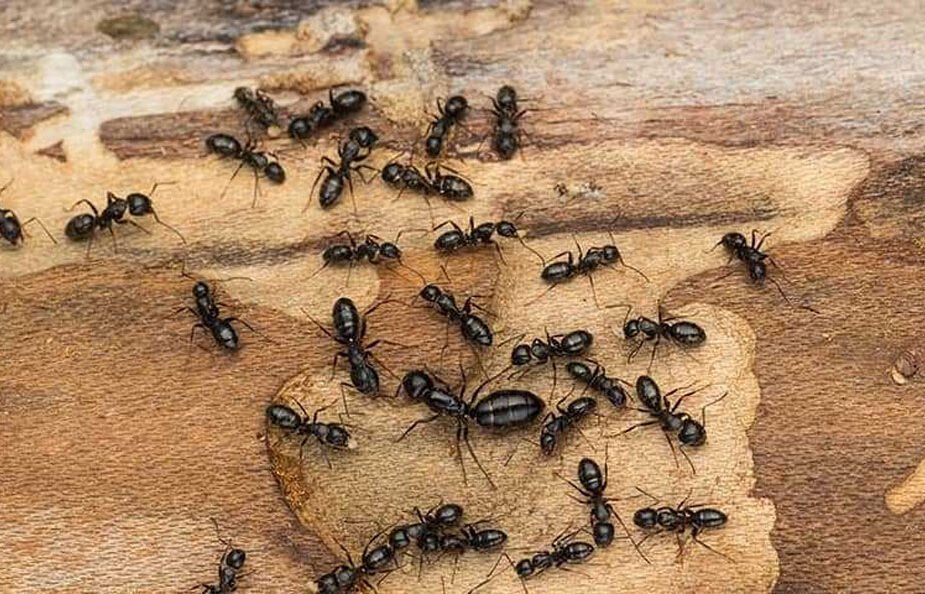
A single ant on the kitchen counter rarely causes alarm. A full trail moving toward food tells a different story. Ant colonies spread indoors faster than many homeowners expect. Warm weather, moisture, and easy access points make homes vulnerable. This article explains how ants enter, how colonies grow inside walls, and what signs appear early. Understanding these patterns helps reduce frustration and protect daily comfort.
Many residents seek help from an ant exterminator in Anaheim when ants return again and again to their homes. Easy access to food and water supports steady activity indoors. Small gaps and hidden spaces allow colonies to expand without notice. Understanding how ants move inside helps homeowners in Anaheim take action sooner.
Entry Points Ants Use Inside Homes
Ants enter homes in Anaheim through tiny and overlooked openings. Cracks near doors, windows, and foundations offer easy access. Utility lines and plumbing gaps also serve as entry paths. Once inside, ants follow scent trails that guide the colony toward food. Even clean homes attract ants due to moisture and warmth.
Common entry areas include
- Door frames and window seals
- Foundation cracks and siding gaps
- Plumbing and electrical openings
- Vents and crawl space edges
How Colonies Establish Hidden Nests Indoors
Ant colonies prefer dark and protected spaces. Wall voids, cabinets, and floor gaps provide ideal shelter. In homes, these areas remain warm and undisturbed. Worker ants move food back to the nest while queens stay hidden. This structure allows colonies to grow without visible signs.
Colonies expand when resources remain available. Moisture under sinks or behind appliances supports survival. Over time, ants form satellite nests in different areas. This spread makes control harder without addressing the main colony. Early detection limits how far colonies extend inside the home.
Food Sources That Accelerate Colony Growth
Food access determines how fast ant colonies grow indoors. Even small crumbs or spills support steady feeding. In kitchens, pantries, and trash areas, worker ants first. Once food appears reliable, ants strengthen their trails.
High-risk food sources
- Unsealed pantry items
- Pet bowls left overnight
- Sticky surfaces on counters
- Trash bins without tight lids
Consistent access leads to rapid colony expansion. Removing attractants helps slow growth, yet colonies already inside remain active. This pattern explains repeated ant problems in homes.
Why Colonies Multiply Across Rooms
Ant colonies spread across rooms when conditions allow safe movement. Scent trails guide ants from kitchens to bathrooms or laundry areas. Moisture and warmth encourage this travel. In Anaheim, mild indoor temperatures support year-round movement.
Satellite nests form when colonies outgrow one space. These smaller nests connect back to the main colony. This setup increases survival and reproduction. Homeowners notice ants in multiple rooms without a clear source. Breaking these connections requires focused attention on trails and nesting zones.
When Professional Help Becomes Necessary
Some ant problems persist despite basic cleaning and sealing. Colonies hidden inside walls resist surface treatments. Professional support helps identify nesting locations and trail patterns. Many homeowners contact an ant exterminator in Anaheim when ants return weekly.
Targeted solutions address both visible ants and hidden colonies. This approach reduces spread and repeat issues. Homes benefit from early intervention before colonies expand further. Professional insight saves time and prevents ongoing frustration.
Ant colonies spread indoors through small entry points, hidden nests, and steady food access. Once inside, colonies grow fast and move across rooms with ease. Homes face added risk due to mild conditions and indoor warmth. Early signs such as trails and repeat sightings signal deeper activity. With awareness and timely action, homeowners in Anaheim can limit colony growth and restore indoor comfort.
Last modified: January 3, 2026