Home Renovation Lessons Many Homeowners Only Learn Too Late
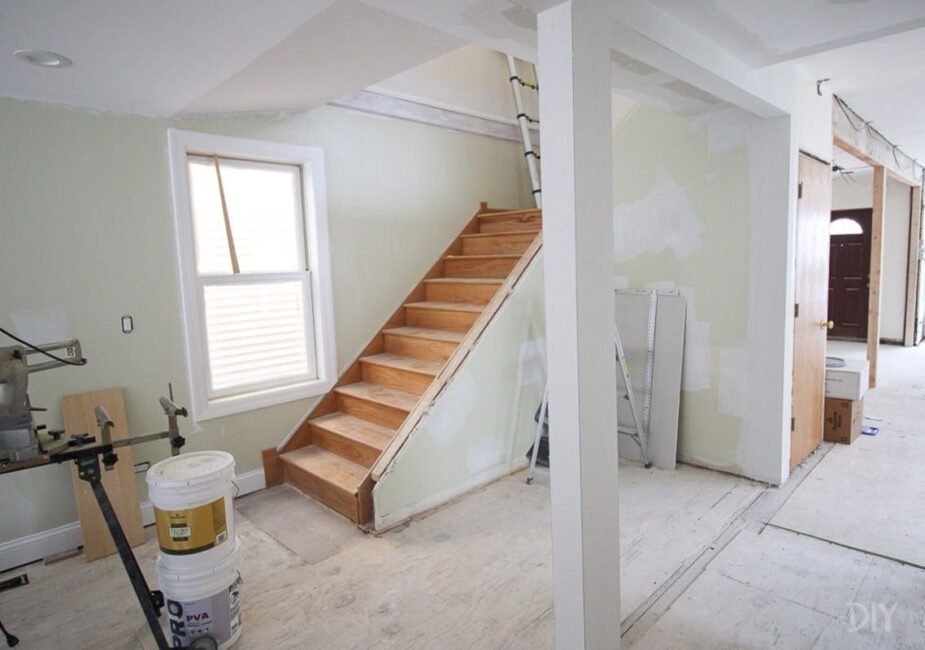
Home renovations are exciting opportunities to transform a property into a more comfortable, functional, and stylish living space. Whether the goal is improving layout, increasing property value, or simply modernising an older home, renovation projects can dramatically enhance everyday living.
However, many homeowners discover important lessons only after a project is already underway, or worse, after it has been completed. Renovation mistakes can lead to unnecessary expenses, delays, or missed opportunities that could have improved the final result.
Understanding some of the most common lessons learned from past renovation experiences can help homeowners approach their projects more strategically and avoid common pitfalls.
Focusing on Appearance Instead of Function
One of the most common renovation mistakes is prioritising visual appeal without considering how the space will actually be used. While beautiful finishes and trendy design choices can make a strong impression, functionality should always come first.
For example, a stylish kitchen may look impressive in photographs, but if the layout makes cooking awkward or storage insufficient, it quickly becomes frustrating to use. Successful renovations balance aesthetics with practical considerations such as movement, accessibility, and everyday convenience.
Design decisions should always support how the household lives on a daily basis.
Underestimating the Importance of Natural Light
Many homeowners regret not prioritising natural light during renovations. Bright, well-lit spaces often feel larger, more welcoming, and more enjoyable to spend time in.
Small windows or poorly positioned openings can make even beautifully renovated rooms feel closed in. Expanding window areas or incorporating modern glazing solutions can dramatically improve the overall atmosphere of a home.
Architectural features such as large glass doors from providers like NOW Aluminium are often used to increase natural light while also connecting indoor spaces with outdoor areas.
Not Planning for Future Needs
A renovation should ideally support both current and future lifestyle needs. Many homeowners focus only on their immediate situation without considering how their household may change over time.
For example, families may need additional storage, flexible workspaces, or adaptable rooms as children grow or working patterns evolve. Incorporating flexible design features during a renovation can prevent the need for further costly changes later.
Thinking long-term often leads to smarter layout choices and more versatile living spaces.
Overlooking Storage Solutions
Storage is often underestimated during renovations, yet it plays a critical role in maintaining an organised home. Without sufficient storage, clutter can quickly accumulate and undermine the benefits of a newly renovated space.
Built-in shelving, under-stair cupboards, and integrated cabinetry can help maximise available space while keeping everyday items neatly stored away. Planning storage early in the renovation process ensures it becomes part of the design rather than an afterthought.
Ignoring Flow Between Rooms
How people move through a home can greatly influence how comfortable and functional it feels. Renovations that focus only on individual rooms without considering the overall flow of the house may create awkward transitions between spaces.
Open layouts, wider doorways, and clear pathways can improve movement and create a more connected living environment. This is especially important in areas where families gather frequently, such as kitchens and living rooms.
A well-planned flow helps homes feel more spacious and easier to navigate.
Cutting Corners on Quality Materials
Budget pressures can sometimes lead homeowners to choose cheaper materials or finishes in order to save money. While this may reduce upfront costs, it can result in higher maintenance expenses or replacements later.
Investing in durable materials for structural elements, windows, doors, and flooring often proves more cost-effective over time. High-quality components tend to last longer, perform better, and maintain their appearance for years.
When it comes to major renovation features, prioritising quality can make a significant difference in the long-term success of the project.
Forgetting the Importance of Professional Advice
Many homeowners attempt to manage renovation decisions without consulting experienced professionals such as architects, designers, or builders. While DIY planning can sometimes work for smaller projects, larger renovations benefit greatly from expert guidance.
Professionals can identify potential challenges early, recommend practical solutions, and ensure that structural changes meet safety and regulatory standards. Their experience can help homeowners avoid mistakes that might otherwise lead to costly corrections later.
Not Allowing Enough Time and Budget Flexibility
Renovations almost always involve unexpected challenges. Hidden structural issues, supply delays, or design changes can affect both the timeline and budget.
One of the most valuable lessons homeowners learn is the importance of building flexibility into the plan. Allowing extra time and setting aside a contingency budget can help reduce stress and ensure the project continues smoothly even when surprises arise.
Forgetting the Big Picture
Finally, some renovations fail to consider how individual design choices work together across the entire home. A beautifully renovated room may feel disconnected if it does not complement the style, colours, or materials used elsewhere.
Maintaining a cohesive design approach helps create a home that feels balanced and thoughtfully planned rather than a collection of unrelated upgrades.
Renovations are significant investments that can transform both the value and enjoyment of a home. By learning from the experiences of others, homeowners can avoid common mistakes and approach their projects with greater confidence.
With careful planning, attention to functionality, and thoughtful design decisions, renovation projects can deliver spaces that are not only beautiful but also comfortable and practical for many years to come.
Last modified: March 19, 2026