First-Time Homeowner? 10 Things You Need to Know About Maintaining Your Property
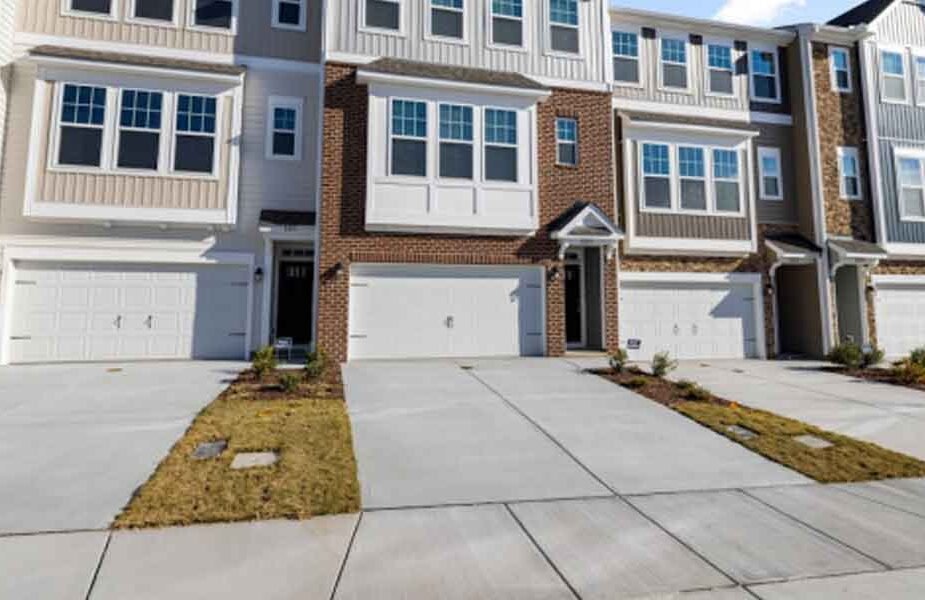
Congrats on purchasing your first place!
Owning property is a huge milestone financially. However…
There’s a lot they don’t tell you in real estate classes.
Unless you maintain your home properly, your investment could quickly turn into a money pit.
In fact, Hippo’s 2024 report found that 83% of homeowners experienced unexpected maintenance issues throughout their home last year. That’s up from 46% in 2023.
The good news?
It doesn’t have to be this way. The better you understand how to maintain your place, the easier it is.
Below you’ll discover the 10 things every first-time homeowner should know about maintaining their property.
What you’ll learn:
- The Reality Of Home Maintenance Costs
- Your Roof Is Your First Line of Defense
- HVAC Maintenance That Can Save You THOUSANDS
- Plumbing Issues You Can Avoid
- Maintenance Checks Every Homeowner Should Do
The Real Cost of Homeownership
Here’s a little known fact that will blow most new homeowners away…
Your place will cost you a lot more than your mortgage payment each month.
In fact, the average homeowner spends between 1-4% of their home’s value annually on maintenance.
Translation: you could be paying $3,000 to $12,000 per year on top of your mortgage! YIKES
And if you don’t perform any maintenance? Expect those costs to skyrocket.
In 2024, nearly half of all homeowners spent over $5,000 on unexpected repairs. Water damage and roof repairs were the two largest contributors.
Don’t let this happen to you. Create a maintenance budget when you buy your new home.
Your Roof Is Your Home’s First Line of Defense
Let’s start upstairs…
Your roof keeps all of your belongings safe and dry. When your roof starts to fail, you’re in for water damage, mold, structural problems, and expensive repair bills.
The issue is most homeowners don’t think about their roof until there’s a problem.
Don’t be that homeowner. Become familiar with common roof issues now so you know what to look for and can address them quickly.
You can extend the life of your roof by knowing:
- Missing or cracked shingles.
- Water stains on the ceilings.
- Noticeable dips on your roof.
- Damage to flashing surrounding vents, skylights, and chimneys.
- Granules piling up in your gutters.
Hire a roofing contractor to inspect your roof at least once a year. Also inspect your roof after heavy storms. The sooner you catch a problem, the cheaper it will be to fix.
HVAC Maintenance You Should Never Skip
Your heating and air conditioning system runs day in and day out to keep you comfortable.
But when your HVAC breaks down, you’ll know it. Hot summers and cold winters aren’t comfortable when you don’t have working heat or AC.
Here are a few things you can do to keep your HVAC running:
- Replace your air filters every few months. Dirty filters increase energy bills and make your HVAC work harder.
- Hire a contractor to tune-up your HVAC before summer and winter.
- Keep grass trimmed and leaves away from outdoor units. You should have 2 feet of clearance on all sides.
Common Plumbing Issues To Avoid
If you’ve never owned a home before, you might not know that most plumbing problems start tiny.
Slow draining water. Small leaks under the sink. Toilets that run longer than they should.
These minor problems turn into costly nightmares when they’re left alone. Water damage is the number one cause of unexpected home repairs. And if it’s due to negligence, your insurance may not cover it.
Follow these tips to avoid a plumbing disaster:
- Don’t pour grease down your kitchen sink.
- Place drain screens in shower drains to catch hair.
- Know where your home’s main water shut-off valve is located.
- Inspect underneath sinks once a month to ensure there are no leaks.
- Test your water heater pressure relief valve each year.
You can have thousands of dollars of damage in your home if your pipes burst. Take the time to prevent costly problems.
Electrical Safety & Maintenance Checks
Did you know electrical issues can cause house fires?
Old wiring is a big risk factor, as is overloading circuits with too many appliances. Larger homes with modern electronics also put a strain on older electrical panels.
Keep an eye out for these warning signs:
- Lights that flicker when you turn them on.
- Electrical outlets that feel hot when you touch them.
- Breakers that trip too often.
- You smell something burning near an outlet.
- Discoloration around wall plates.
If any of these scenarios apply to you, call an electrician immediately. Electrical work is not meant for beginner DIYers.
Check Your Home’s Foundation
This one is obvious, but your home’s foundation is key.
Cracks are normal. In fact, most cracking is due to your home settling. However, some cracks indicate serious structural damage.
Take a walk around the outside of your home every season. You’re looking for cracks wider than quarter inch wide, sticking doors, and windows that won’t close all the way.
Pro tip: Make sure soil slopes away from your home’s foundation. Water pooling next to your home is never a good thing.
Clean Your Gutters
Here’s the purpose of gutters…
To divert water away from your home. Clogged gutters force water right up against your roof, siding, and foundations.
You should clean gutters twice a year minimum. Depending on how many trees you have around your house you may need to clean them monthly during fall.
Gutter guards can help reduce the amount of debris that collects in your gutters.
Make sure you inspect downspouts too. They should be draining water at least 4-6 feet away from your home’s foundation.
Maintain Your Home’s Exterior
Believe it or not, the exterior of your home takes a beating.
Sun, rain, wind, hot weather, and cold can break down exterior surfaces over time. Paint chips. Caulking cracks. Vinyl siding warps.
Take time every Spring to inspect the outside of your home. Look for cracked caulking around windows and doors. These are areas where water and air like to enter your home. Recaulk as necessary. Plus, touch up paint to prevent wood rot.
Don’t Forget To Create A Maintenance Schedule
Here’s a great piece of advice for new homeowners.
Prevention is worth more than the cure.
When you do your own maintenance on a schedule, you rarely have emergency problems. Set up a calendar reminding you of monthly, seasonal, and yearly tasks.
Don’t overthink it. There are phone apps for everything these days. You can even print out this blog post and check tasks off manually.
Start Your Home Emergency Fund
Things break and fail all the time.
When you have money set aside for maintenance and repairs, you don’t have to worry about where you’ll come up with the money. The recommendation is to start with 1-3% of your home value each year.
You can start small if you need to. An emergency fund of $100 a month will get you started.
Wrapping Up
This guide should help you know what to expect as a first-time homeowner.
Maintaining your home really comes down to staying ahead of the game. Invest a little money and time into your place each month. It’ll save you thousands down the road.
Remember:
- Your roof is your home’s first line of defense. Inspect it regularly and catch problems early.
- HVAC systems need maintenance too. Service your AC and heating twice a year.
- Little plumbing leaks lead to water disasters. Catch leaks before they become floods.
- Electrical safety should be your priority. Stay up to date on maintenance and upgrades.
- Set aside money for home repairs when you buy your new home.
Last modified: January 21, 2026