Electricians and the Importance of Arc Fault Protection
Many electrical hazards develop quietly, long before anyone smells burning or sees flickering lights. One of the most concerning risks is arcing, a condition where electricity jumps through the air between damaged conductors or loose connections. Unlike a simple overload, arcing can occur even when a circuit is not drawing heavy power, making it harder to detect through typical warning signs. Arc-fault protection matters because it targets a type of failure that can generate intense heat at a small point, potentially igniting nearby materials in walls, ceilings, and outlets. Electricians focus on arc-fault protection to reduce fire risk, improve circuit reliability, and align electrical systems with modern safety standards.
Preventing fires caused by hidden arcing
1. What Arc Faults Are and Why They Matter
An arc fault occurs when electrical current travels along an unintended path, often due to damaged insulation, pinched wires, loose terminals, aging outlets, or cords that have been bent and stressed over time. The arc itself can be brief and intermittent, yet it produces high temperatures that can char wood framing, melt plastic, or ignite dust and debris in electrical boxes. This is why arc faults are treated differently from overloads and short circuits. Traditional breakers are designed to trip when too much current flows, but an arc fault can exist without exceeding the breaker’s normal rating. Electricians take arc faults seriously because they can occur in everyday areas such as bedrooms, living rooms, and home offices, where cords, receptacles, and connections are used frequently. Understanding the nature of arcing is the first step toward understanding why dedicated protection became an important part of modern electrical safety.
2. How Arc Fault Circuit Interrupters Improve Safety
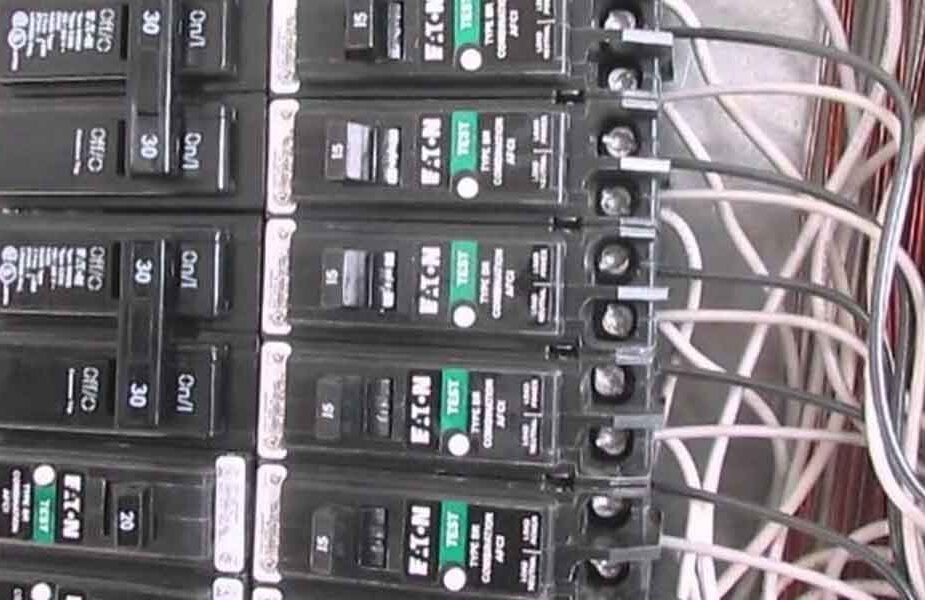
Arc Fault Circuit Interrupters, often called AFCIs, are designed to detect the electrical signature of arcing and shut off power before heat builds to a dangerous level. Electricians install AFCI breakers or devices to provide this protection where building codes and safety practices call for it. Unlike standard breakers, AFCIs monitor patterns in the current waveform and respond when they detect characteristics consistent with hazardous arcing. This added layer of protection can be valuable in areas where wiring is concealed, and problems might otherwise remain hidden. When homeowners consult an electrical contractor in Frisco, TX, about frequent trips or safety upgrades, arc-fault protection is often part of the conversation because it directly addresses risks that may not appear as high-current faults. The goal is safer operation without relying on visible warnings that may never appear until damage is already underway.
3. Where Arc Fault Problems Commonly Start
Arc faults often begin at connection points where small weaknesses grow over time. Loose receptacle terminals, backstabbed connections, worn switch contacts, and improperly tightened breaker lugs can create conditions in which current jumps rather than flows smoothly. Cords and plugs can also create arc risks when insulation cracks, conductors loosen inside a plug head, or cords are pinched by furniture. In walls and ceilings, nails or screws driven during renovations can nick wiring, creating a slow-developing hazard that may not cause an immediate short circuit. Moisture intrusion in certain areas can accelerate corrosion and loosen connections, adding another pathway to arcing. Electricians look for these sources during troubleshooting because eliminating the cause is just as important as adding protective devices. Arc-fault protection provides a safeguard, but it is most effective when the underlying wiring and terminations are properly maintained and corrected where needed.
4. The Electrician’s Role in Proper Installation and Troubleshooting
Installing AFCI protection is not simply a matter of swapping a breaker. Electricians verify the circuit wiring, neutral connections, and panel compatibility to ensure the device functions as intended. They also check for shared neutrals, multi-wire branch circuits, or older wiring practices that may require adjustments for proper operation. When AFCIs trip, electricians determine whether the trip is due to a real arc condition, a wiring defect, or a compatibility issue, such as certain motor loads or older devices that create noise that resembles arcing. This is where careful troubleshooting matters, because repeated nuisance trips can lead occupants to bypass protection or lose trust in it. Electricians test connections, inspect devices, and isolate sections of the circuit to identify what is driving the trips. Their goal is reliable protection that operates correctly, not a system that constantly interrupts normal daily use.
5. Balancing Protection with Everyday Function
AFCI protection is intended to improve safety while still allowing normal device use, yet older homes and certain equipment can make that balance challenging. Some circuits contain a mixture of lighting, outlets, and motor-driven devices, creating electrical signatures that require careful evaluation. Electricians help by ensuring circuits are wired correctly, loads are appropriate for the circuit design, and terminations are secure. They may recommend updating older outlets, replacing damaged cords, or separating loads onto different circuits to reduce unnecessary tripping. In many cases, what feels like a “breaker problem” is actually a symptom of loose wiring or aging devices that need attention. When the electrical system is brought into a healthier state, AFCI protection tends to operate more smoothly. The result is a safer home or workplace that still feels convenient and dependable for everyday life.
6. Upgrading Older Homes with Modern Safety in Mind
Many older homes were wired before arc-fault protection became common, and that does not automatically make them unsafe, but it does mean they may lack modern layers of protection. Electricians often approach upgrades by assessing panel condition, circuit loading, wiring type, and the condition of outlets and switches. They look for signs of overheating, concerns about aluminum wiring, or brittle insulation that may increase arc risk. In renovation projects, arc fault protection is often included because walls are opened, circuits are modified, and modern standards can be applied more easily during construction. Upgrading does not always require rewiring an entire home; in some cases, adding AFCI breakers and correcting known wiring weaknesses can significantly improve safety. Electricians guide owners through these options so upgrades fit the home’s condition, the budget, and the realistic scope of work.
7. A Short Safety Reminder
Arc fault protection helps address a fire risk that traditional breakers may not detect quickly. It is most effective when paired with solid wiring practices, secure connections, and prompt correction of damaged cords or worn outlets. When an AFCI trips repeatedly, it should be treated as a signal to investigate rather than ignored. This mindset keeps protection meaningful and reduces the chance of hidden heat buildup inside walls.
Protection That Matches Modern Electrical Use
Arc fault protection has become important because modern electrical use places constant demands on wiring, outlets, and devices in spaces where hazards can remain concealed. Electricians support safety by installing AFCI protection correctly, troubleshooting tripped circuits carefully, and correcting the wiring conditions that cause arcing in the first place. This combination reduces the likelihood of electrical fires caused by small, hidden failures. As homes and businesses continue adding more electronics, chargers, and connected equipment, arc fault protection helps electrical systems keep pace with higher everyday use. The result is a safer environment built on detection, prevention, and responsible maintenance, supporting reliable power without sacrificing safety.
Last modified: January 21, 2026