Data Storage Reliability in Today’s Digital Infrastructure
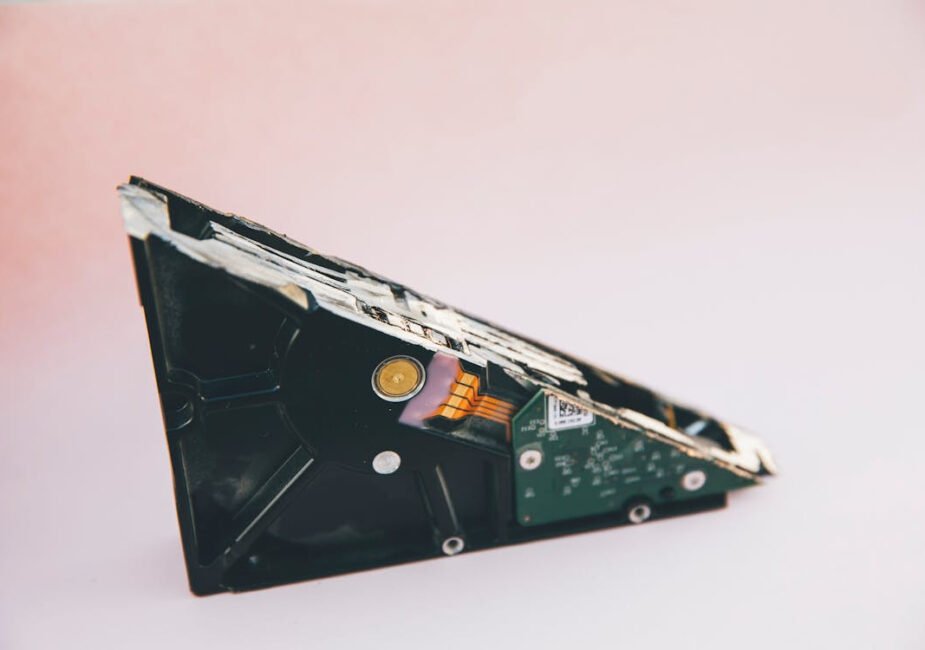
Have you ever lost an important file and wondered how something so small could cause so much stress? In today’s digital world, nearly everything depends on stored data, from family photos to global business systems. Reliable storage now forms the backbone of modern infrastructure. In this blog, we will share how data storage reliability shapes digital systems and what individuals and organizations can do to protect the information they depend on.
Hardware Durability and Smart Storage Choices
Conversations about storage reliability often begin with hardware. While cloud systems and network security receive much of the attention, the physical devices holding information remain equally important. The performance and durability of storage hardware directly influence how safely data survives over time.
Solid state drives have become a popular choice for both personal computers and large enterprise systems. These devices store information using flash memory rather than moving mechanical parts, which reduces the chance of failure caused by vibration or wear. Faster read and write speeds also improve overall system performance, making tasks like booting a computer or opening large files feel nearly instant.
Many users researching storage upgrades eventually encounter discussions about SSD lifespan. This topic highlights one of the most interesting aspects of modern storage technology. Unlike traditional hard drives that rely on spinning platters, solid state drives manage data through electronic cells designed to handle many cycles of reading and writing. Manufacturers design these drives to endure years of regular use while maintaining strong performance and reliability.
Organizations that manage large data systems often choose enterprise-grade drives built specifically for heavy workloads. These devices handle constant data movement, which helps cloud services and business platforms maintain stable performance even during busy periods. At the same time, everyday users benefit from consumer models that offer dependable storage for laptops, desktops, and portable devices.
Choosing reliable hardware also involves understanding how storage fits into a broader strategy. Even the best drives cannot replace the value of regular backups. Many experts recommend keeping at least two copies of important data stored in separate locations. One copy might remain on the main device, while another sits in a cloud account or external drive.
Another helpful habit involves monitoring drive health through system tools. Modern operating systems often provide built-in utilities that track performance and alert users to potential problems before failure occurs. These tools act like early warning systems, allowing people to move files safely before hardware issues escalate.
Why Reliable Storage Matters More Than Ever
Modern life runs on data in ways most people rarely notice. Each message sent, payment processed, or video streamed relies on storage systems working quietly in the background. Over the past few years, the amount of global data has grown at an astonishing rate. Analysts often point out that the world now creates more data in a single day than earlier generations produced in entire years.
Recent events show how fragile digital systems can feel when storage fails. Large technology outages occasionally interrupt social media platforms or financial services, reminding everyone that modern infrastructure depends on reliable data storage. Even short disruptions ripple outward, affecting communication, commerce, and everyday routines.
Businesses have responded by investing heavily in stronger storage architecture. Data centers now use multiple layers of backup systems that protect information against hardware failure or power loss. Cloud providers store copies of files across different geographic regions so that if one location goes offline, another can continue operating without interruption.
Reliable storage also matters at a personal level. People store work documents, school assignments, and creative projects on laptops or external drives. When those files disappear because of hardware failure or accidental deletion, the result often feels like losing a piece of memory itself. That emotional weight explains why backup strategies have become a normal part of digital life.
Another factor shaping storage reliability involves the hardware itself. Modern solid state drives have transformed computing performance by providing faster speeds and improved durability compared with older spinning disks. Understanding how these drives operate helps users make better decisions about managing data and protecting valuable files.
Building Resilient Digital Infrastructure
Reliable data storage extends far beyond individual computers. Large organizations now treat data as a critical resource that must remain accessible at all times. From hospitals managing patient records to banks processing financial transactions, entire industries rely on systems designed to protect and preserve information.
One approach involves redundancy. Data centers commonly store multiple copies of files across separate servers. If one system experiences a hardware fault, another instantly takes over without interrupting service. This technique allows digital platforms to maintain continuous operation even when individual components fail.
Another strategy involves geographic distribution. Many cloud providers replicate data across different regions or even continents. Natural disasters, power outages, or local network problems may affect one facility, yet mirrored data in another location keeps services running smoothly.
Cybersecurity also plays a growing role in storage reliability. As digital systems expand, so do threats targeting sensitive information. Ransomware attacks in recent years have shown how vulnerable organizations can become when data protection measures fall short. Reliable storage now includes strong encryption, access controls, and monitoring tools that detect suspicious activity.
For individuals, resilience begins with simple habits. Regular backups, secure passwords, and updated software create a strong foundation for protecting digital information. These steps require only a small investment of time yet dramatically reduce the risk of losing important files.
Looking at the broader picture, data storage reliability reflects how deeply society depends on technology. Every photo saved, message sent, and document created becomes part of an expanding digital record. Maintaining that record requires thoughtful design, reliable hardware, and responsible user behavior working together in quiet coordination.
As the world continues producing data at extraordinary speeds, storage systems will remain one of the unseen pillars supporting modern life. Their reliability keeps businesses running, preserves personal memories, and sustains the digital connections people rely on each day.
Last modified: March 18, 2026