Curb Appeal Transformations That Redefine First Impressions
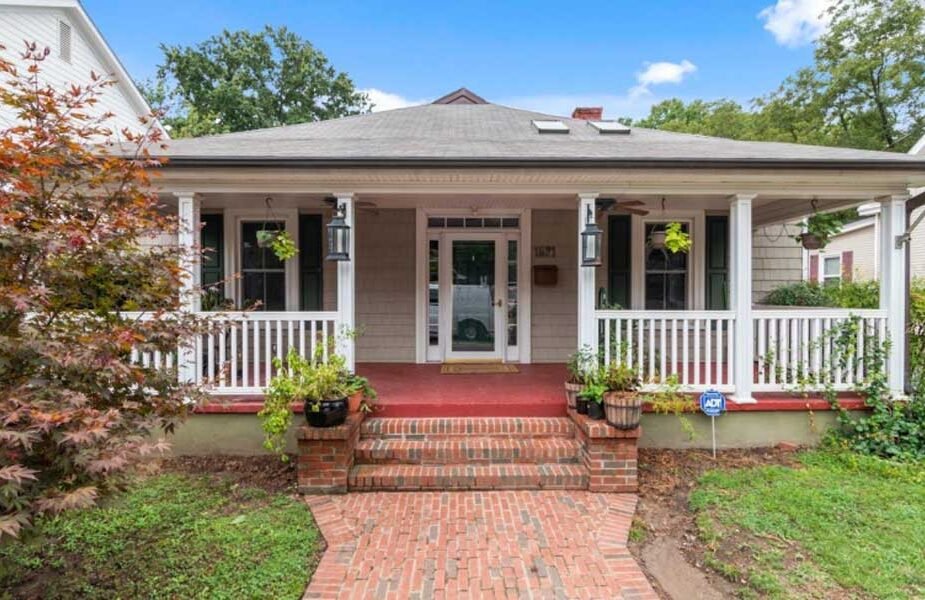
Have you ever slowed down while driving past a house because something about it just worked? First impressions happen in seconds. In Olympia, Washington, where evergreen trees tower over rooftops and rain leaves everything freshly rinsed, homes compete quietly for attention. Some exteriors glow even on gray days. Others fade into the background. In a housing market where buyers scroll through listings at lightning speed, curb appeal has become more than decoration – it is strategy.
High interest rates and limited inventory have pushed many homeowners to improve instead of relocate. Rather than chasing a new address, families are investing in the homes they already have. Exterior upgrades are often the first move. They offer visible change and measurable return. A refreshed facade signals care, stability, and pride. It hints that the inside is just as thoughtful. In this blog, we will share practical and high impact ways to strengthen your home’s exterior, boost value, and create a first impression that feels confident and lasting.
Strengthen the Structure Before Styling the Surface
Curb appeal starts with what protects the home. A worn roof or sagging gutter line draws attention for the wrong reason. From the street, roofing defines shape and proportion. If shingles curl or discolor, the entire house looks tired.
Begin with a thorough inspection. Look for uneven lines, missing shingles, or dark streaks. These details stand out more than most homeowners realize. If signs of aging appear, consult a trusted company that specializes in roof replacement in Olympia. A strong roof not only protects against heavy rain but also sharpens the home’s silhouette. Clean lines communicate stability.
Gutters matter just as much. Overflowing or dented gutters stain siding and damage landscaping. Replace them with streamlined options that match the trim color. Proper drainage prevents long-term issues and keeps the facade crisp.
Once the roof and gutters are secure, turn to siding. Dirt and mildew build quickly in damp climates. A professional wash can brighten color instantly. If boards are cracked or warped, upgrade to materials built for moisture resistance. Fiber cement and engineered wood hold up well and maintain sharp edges over time.
Structural care forms the base. Style layered on top feels intentional when the foundation is solid.
Refresh Color With Purpose
Paint remains one of the most cost-effective ways to transform an exterior. Yet color should be chosen with thought, not impulse.
Neutral shades continue to dominate because they appeal to broad tastes. Soft gray, creamy white, and warm beige create clean backdrops. For personality, focus on the front door. Deep navy, forest green, or charcoal add character without overwhelming the facade.
Contrast creates dimension. Pair light siding with darker trim to define windows and rooflines. Highlight architectural features rather than masking them. Avoid too many bold colors competing at once. Simplicity often signals confidence.
Preparation matters as much as pigment. Scrape peeling areas. Prime exposed wood. Smooth surfaces reflect light better and look more refined. Choose high-quality exterior paint designed to resist fading and moisture.
Color shapes emotion. A fresh exterior can change how a homeowner feels each time they pull into the driveway.
Upgrade the Entryway Experience
The front door anchors curb appeal. It is where guests pause and where packages land. A neglected entry drags down even a well maintained exterior.
Start with hardware. Replace outdated handles and locks with modern finishes such as matte black or brushed nickel. These small changes create polish. Update house numbers with clear, bold fonts. Visibility adds both style and safety.
Lighting transforms nighttime presence. Install sconces that frame the door evenly. Choose warm bulbs for a welcoming glow. Motion sensors improve security without harsh brightness.
Add structure if possible. A small overhang or simple portico adds depth. It also protects visitors from rain. Symmetrical planters filled with seasonal flowers bring color close to the entrance. Clean lines and balanced placement create harmony.
Remove clutter. Old mats, faded wreaths, and worn decorations dilute impact. A tidy entry signals order and care.
Landscape With Intention
Landscaping frames architecture. It softens edges and adds life. Overgrown shrubs, however, obscure detail and shrink perceived size.
Begin with trimming. Shape hedges evenly and clear pathways. Define garden beds with fresh mulch. Dark mulch contrasts nicely with lighter siding and makes greenery pop. Layer plants by height. Low ground cover in front. Medium shrubs in the middle. Taller plants closer to the house. This structure guides the eye naturally upward and highlights the facade.
Choose plants suited to local weather patterns. Native species require less water and maintenance. As environmental awareness grows, sustainable landscaping reflects thoughtful ownership.
Maintain lawns with regular mowing and edging. Repair bare patches. A healthy lawn acts as a visual anchor that supports the entire exterior composition.
Add Architectural Details That Elevate Character
Architectural accents give homes personality. Shutters add charm when properly sized to window dimensions. Decorative brackets under eaves introduce subtle craftsmanship. Window boxes filled with greenery bring texture closer to eye level.
Garage doors often dominate the front view. Upgrade to styles that complement the home’s era. Carriage-inspired designs suit traditional homes. Sleek panels fit modern builds. Since garages occupy large surface areas, this update delivers strong impact.
Pathways guide movement and perception. Replace cracked concrete with pavers or stone. Straight lines convey order. Gentle curves suggest approachability. Fences and gates contribute to the overall impression. A fresh coat of stain or paint revitalizes wood instantly. Metal gates with simple patterns feel clean and secure.
Details should align with the home’s architecture. Consistency prevents visual clutter and reinforces identity.
Maintain What You Improve
Curb appeal is not a one-time event. It requires attention across seasons. Small issues grow quickly if ignored.
Inspect roofing and gutters twice a year. Clear debris from walkways. Touch up paint when chips appear. Replace dying plants promptly. Create a seasonal checklist. Spring for washing and planting. Summer for repairs and repainting. Fall for gutter cleaning. Winter for monitoring storm damage.
Routine care protects both beauty and value. It keeps first impressions strong long after initial upgrades.
In a world shaped by quick judgments and scrolling screens, exterior presentation carries weight. Neighbors notice. Potential buyers notice. Even homeowners notice their own space differently after thoughtful updates.
Curb appeal transformations do not demand massive budgets. They demand focus.
Last modified: February 23, 2026