Create a Smart Plan for Vehicles and Stored Items
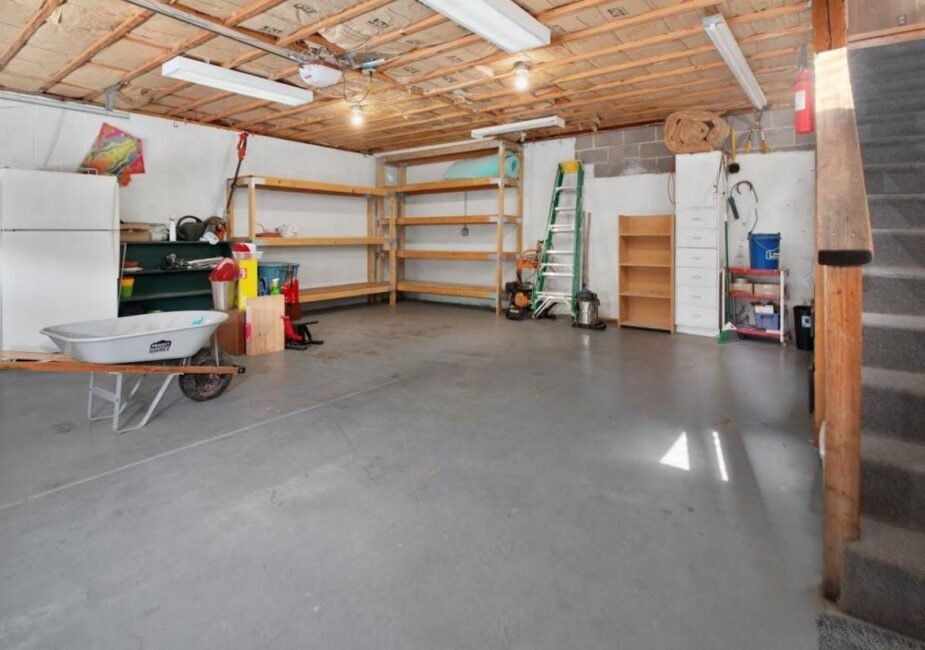
Have you ever opened your garage door and wondered why it holds everything except your car? In many communities, including Cross Lanes, West Virginia, garages have quietly turned into crowded storage zones rather than functional spaces. Boxes stack higher each year. Old sports equipment gathers dust. Meanwhile, families crave extra room for work, exercise, or relaxation. With housing prices still elevated and moving costs rising, expanding within your existing walls feels practical. A garage conversion offers that opportunity. In this blog, we will share how to prepare your home before starting a garage conversion project so the transition feels organized, strategic, and worthwhile.
Create a Smart Plan for Vehicles and Stored Items
Now explain this to someone who feels attached to everything inside the garage. It is not just a parking spot. It may hold holiday decorations, camping gear, tools, and spare appliances. Clearing it out requires patience and method.
Start with sorting. Divide items into clear categories. Keep essentials. Donate duplicates. Discard broken or outdated pieces. Tackle one section at a time to avoid exhaustion. Progress builds momentum.
Vehicles need thoughtful planning as well. Street parking may not suit every neighborhood. Weather conditions can create risk. Construction debris increases potential damage. Some homeowners choose a reliable Cross Lanes WV car storage facility during the renovation period. This solution protects vehicles from dust, dents, and unpredictable storms. It also provides contractors unobstructed access to complete their work efficiently.
Relate this to everyday scenarios. When repainting a living room, furniture moves temporarily. The same principle applies here. Protect valuable belongings before heavy work begins.
Simplify technical concerns. Check driveway measurements. Review local parking rules. Confirm insurance coverage for temporary vehicle relocation. These small tasks prevent larger headaches later.
The outcome is calm rather than chaos. Cars remain safe. Belongings have clear destinations. The project starts on solid footing.
Review Permits, Codes, and Structural Requirements
Paperwork may not excite anyone, yet it shapes the entire project. Many municipalities require permits for garage conversions. Building codes regulate ceiling height, window size, insulation standards, and emergency exits. Ignoring these requirements can lead to delays or fines.
Explain this clearly to a curious homeowner. Codes exist to protect safety and property value. They also protect future buyers who may rely on accurate records. Starting without permits can create expensive setbacks.
Contact the local building department early. Ask for a checklist. Clarify timelines for inspections. This proactive step builds confidence and avoids guesswork.
Structural elements demand attention too. Garage floors might need leveling before new flooring installation. Walls may require additional framing. Electrical systems often need upgrades to handle outlets, lighting, and devices. Plumbing becomes necessary if adding a bathroom or kitchenette.
Break these details into manageable steps. First, confirm structural soundness. Next, address insulation and wiring. Then evaluate ventilation and heating. Finally, plan finishes such as drywall and flooring.
Each layer builds on the previous one. Preparation reduces surprises. Surprises often increase stress and expenses.
Prepare the Household for Temporary Disruption
A garage conversion affects daily routines more than expected. Construction noise may interrupt work calls. Dust can travel beyond the garage door. Planning ahead reduces frustration.
Begin with containment. Seal entry points between the garage and house. Use plastic barriers where necessary. Cover nearby furniture with protective sheets. These measures limit mess.
Consider how family members move through the home. If the garage serves as a primary entry, designate a new pathway. Keep that route clear and safe. Communicate changes clearly to avoid confusion.
Budget preparation is equally important. Construction costs fluctuate due to supply chain shifts and labor demand. Setting aside extra funds creates breathing room if prices rise. Financial preparation supports emotional stability.
Think about daily convenience. If tools or appliances relocate, ensure they remain accessible. If laundry machines move temporarily, create a workable alternative plan. Small logistical decisions shape comfort.
Imagine the reward at the end. A bright office free from household noise. A home gym that saves monthly membership fees. A guest suite that welcomes relatives comfortably. Those outcomes justify temporary inconvenience.
Design With Function at the Center
Before thinking about resale value or long term returns, focus on how the space will actually be used. A garage conversion should solve a real problem. Maybe the dining table has doubled as a desk for years. Maybe fitness equipment sits unused in a bedroom corner. Identifying daily frustrations helps shape a practical design.
Start with layout. Measure the space carefully. Sketch simple floor plans on paper. Decide where furniture will sit and how people will move through the room. Clear pathways prevent the area from feeling cramped.
Think about natural light and airflow. Garages often lack large windows. Adding proper lighting makes the space feel welcoming. Even small design upgrades can change mood dramatically. Paint color also influences how open the room feels.
Plan for Long Term Comfort and Value
Preparation does not stop at clearing space and securing permits. Think ahead about how the new room will function year round. Heating and cooling systems must integrate smoothly. Insulation should meet modern standards. Ventilation prevents moisture buildup.
Lighting deserves careful thought. Natural light improves mood and productivity. Adding windows or glass doors can transform the atmosphere. If structural changes limit window size, layered artificial lighting fills the gap.
Flooring choices influence comfort and durability. Concrete requires proper sealing or leveling before installing carpet, tile, or engineered wood. Moisture barriers protect against long term damage. These technical decisions protect your investment.
Consider resale value as well. A properly permitted and finished conversion often increases property appeal. Buyers appreciate flexible rooms that adapt to modern lifestyles. A thoughtfully prepared project signals quality and care.
Finally, reflect on emotional impact. Converting a garage reshapes how the home feels. It signals growth and adaptation. It shows commitment to making the most of available space.
Preparation is the foundation of success. Clearing belongings, protecting vehicles, reviewing codes, and planning logistics all contribute to smoother construction. Each thoughtful step prevents unnecessary stress. When the garage door closes for the final time on its old purpose, it opens to a new chapter inside the home. With careful preparation, that transformation feels empowering rather than overwhelming.
Last modified: March 3, 2026