Choosing the Right Hiking Boots for Different Terrains and Weather Conditions
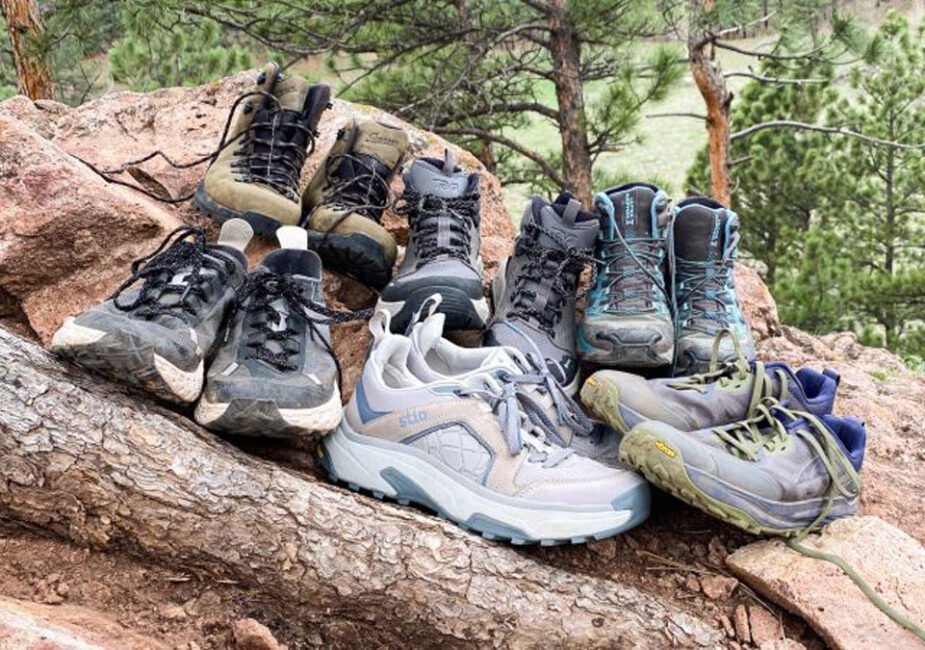
For avid hikers and beginners alike, selecting the proper hiking boots is an essential step towards ensuring a comfortable and safe trekking experience. Whether you’re traversing muddy trails, rocky mountains, or sandy dunes, the right pair of boots can make all the difference. Brands like Meindl boots offer a variety of options suitable for different terrains and climates, but how do you choose the pair that’s right for you? This comprehensive guide will help navigate the abundance of choices and provide insights into finding the perfect hiking boot for your next adventure.
Understanding Terrain Types
The terrain you plan to hike on plays a significant role in the type of boots you should select. Different terrains require different levels of support, traction, and durability. For instance, rocky terrains demand boots with excellent grip and ankle support, whereas a soft forest track might require something more flexible and lightweight. High-altitude terrains with unpredictable conditions often necessitate a sturdier and more insulated boot to ensure safety and warmth.
Weather Considerations
Weather is another key factor when choosing hiking boots. In wet conditions, waterproofing becomes a priority. You’ll want boots that can keep your feet dry while still allowing them to breathe. During winter or in colder climates, insulation becomes crucial to prevent frostbite or chill. On the contrary, hiking in hot and dry conditions demands footwear that is breathable and lightweight to avoid discomfort and overheating.
Boot Material Types
The material of your hiking boots can significantly affect not just the boot’s lifespan but also your comfort during the hike. Leather boots, known for their durability and weather-proofing capabilities, are ideal for harsh conditions but may require breaking in. Synthetic materials, on the other hand, offer excellent breathability and are typically lighter, making them better suited for less demanding hikes in milder conditions.
Fit and Comfort
Nothing can ruin a hike more efficiently than uncomfortable footwear, which is why ensuring the right fit is crucial. When trying on hiking boots, consider wearing the type of socks you plan to use during your hikes. Make sure there is enough room for your toes to wiggle, yet the heel should not slip. Boots that are too tight can cause blisters and pain, while loose-fitting boots can lead to instability and foot fatigue.
Additional Features to Consider
When evaluating hiking boots, look for additional features such as reinforced toe caps for protection against rocks, anti-slip soles for those wet, mossy paths, and secure lacing systems to keep your foot stable within the boot. Some boots come with removable liners for easy drying and cleaning, which can be a handy feature after muddy hikes. Depending on personal preference and hiking requirements, additional features can considerably enhance your overall hiking experience.
Choosing the right hiking boots requires careful consideration of the terrain, weather, and individual needs. Investing the time to find the right pair can ensure that each hike is enjoyed to the fullest, without discomfort or the risk of injury. With a well-chosen pair of boots, you can take on any trail with confidence, ensuring that every adventure is a memorable one.
Last modified: March 18, 2026