Choosing Between Tattoo Removal, Touch‑Ups, or Cover‑Ups — What Works When
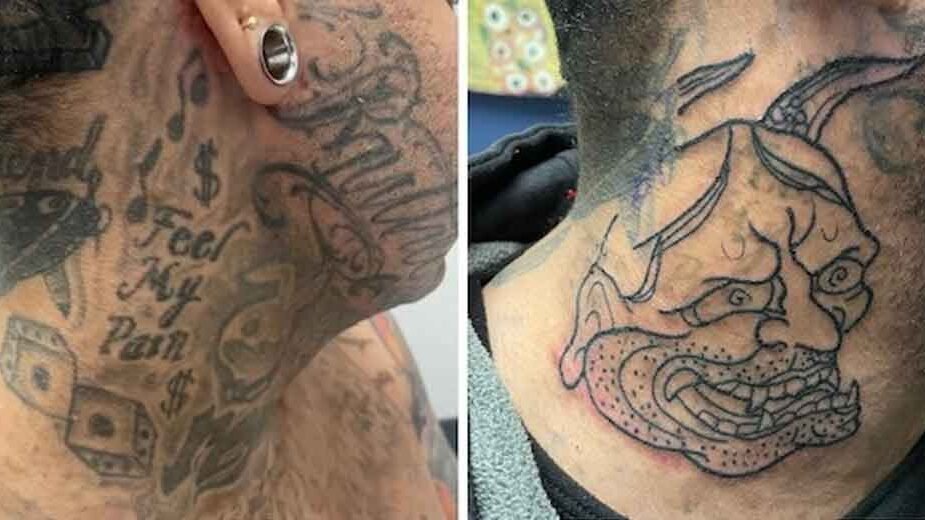
Tattoos are personal expressions etched into the skin, but tastes, circumstances, and styles can change over time. Deciding whether to remove a tattoo entirely, refresh it with a touch‑up, or hide it with a cover‑up design can feel overwhelming. Each option has unique implications, including time, cost, and visible outcomes. We will explore how to determine the right approach based on your goals, tattoo condition, and lifestyle considerations. By understanding the differences between removal, touch‑ups, and cover‑ups, you can make an informed decision that aligns with your vision for your body art. Careful planning and consultation can help ensure the outcome meets expectations while minimizing potential complications.
Understanding Your Options: Removal, Touch‑Ups, and Cover‑Ups
- Tattoo Removal: When It’s the Right Choice
Tattoo removal is often chosen when a design no longer represents personal identity, lifestyle, or preferences. Modern removal techniques, such as laser treatments, break down tattoo ink particles in the skin, allowing the body to eliminate them gradually. Multiple sessions are typically required, and the process can be time-intensive depending on the tattoo’s size, color, and depth. Darker inks, such as black and blue, usually respond more quickly than lighter shades, such as yellow or pastel tones. Removal is also a consideration if the tattoo is poorly executed or has faded unevenly. Individuals with sensitive skin or certain medical conditions may need to discuss potential side effects, such as scarring or pigmentation changes, with a professional before beginning treatment. For more details about our company and the tattoo removal services we offer, clients can consult directly with our team. Ultimately, removal provides a clean slate for those who wish to eliminate a tattoo, but it requires patience and realistic expectations regarding results.
- Touch‑Ups: Refreshing and Maintaining Your Tattoo
For tattoos that have faded or lost definition over time, touch‑ups can restore vibrancy and clarity. This approach is ideal when the original design remains meaningful but shows signs of aging, sun damage, or ink dispersion. A touch‑up session typically involves carefully reapplying ink to areas that have lightened or blurred, enhancing the lines and colors without altering the overall design. Touch‑ups can be particularly beneficial for intricate designs with fine details that have become difficult to distinguish. Additionally, they are often quicker and less costly than full removal or cover‑ups. Regular touch‑ups can prolong a tattoo’s lifespan and prevent the need for more invasive interventions in the future. By consulting with a skilled practitioner, you can determine whether a touch‑up is sufficient to achieve the desired look or if other options should be considered.
- Cover‑Ups: Transforming Old Tattoos Into New Designs
Cover‑ups are an alternative when you want to repurpose an existing tattoo into a different design rather than removing it entirely. This approach allows you to conceal an undesired tattoo with a new image, often incorporating darker or more complex designs to mask the underlying ink. The success of a cover‑up depends on careful planning regarding size, color, and placement. Larger, bolder designs with strategic shading can effectively hide older tattoos, while some lighter or highly detailed tattoos may require additional sessions to achieve full coverage. Cover‑ups offer a creative solution for individuals who want to retain a sense of body art but alter its appearance to reflect current preferences better. Collaboration with a tattoo artist who understands how to balance concealment and aesthetics is essential to ensure that the new design harmonizes with your skin and previous artwork.
- Factors to Consider When Choosing
When deciding between removal, touch‑ups, or cover‑ups, several key factors should guide your decision. The age and condition of the tattoo play a significant role, as older tattoos may be more faded, making touch‑ups or cover‑ups more effective than removal in some cases. The location of the tattoo also matters, as certain areas of the body respond differently to laser removal or ink application. Personal goals, budget, and tolerance for multiple sessions are other considerations. Emotional attachment to the tattoo can influence whether complete removal feels necessary or if refreshing the existing artwork suffices. Finally, skin type and overall health impact healing and the risk of complications, making it essential to discuss options with a practitioner who can provide tailored recommendations based on individual circumstances.
- Timing and Recovery
Recovery time and scheduling are important when planning any tattoo intervention. Removal procedures require spacing sessions several weeks apart to allow the skin to heal, while touch‑ups and cover‑ups typically involve shorter healing periods. During recovery, proper aftercare is essential to minimize the risk of infection, support skin regeneration, and ensure optimal visual results. Individuals considering multiple options may need to factor in the cumulative time commitment, particularly if combining touch‑ups with eventual removal or using cover‑ups to mask older ink. Understanding the timeline for each procedure helps set realistic expectations for results and ensures that the process fits within personal schedules and lifestyle demands.
- Cost and Accessibility
Budget considerations can heavily influence the choice between removal, touch‑ups, and cover‑ups. Tattoo removal often incurs higher costs due to multiple laser sessions, while touch‑ups and cover‑ups are generally more affordable, depending on the design’s complexity and the practitioner’s rates. Accessibility to qualified practitioners in your area may also affect decision-making. Some regions may have limited availability for advanced removal techniques or artists skilled in cover-up designs. Evaluating cost and convenience alongside desired outcomes can help you make a practical, satisfying choice, ensuring the approach aligns with financial and logistical realities.
Choosing between tattoo removal, touch‑ups, or cover‑ups requires careful consideration of personal goals, tattoo condition, and practical factors such as time, cost, and recovery. Removal offers a fresh start, touch‑ups preserve and enhance existing designs, and cover‑ups provide creative ways to transform unwanted tattoos. Understanding the differences and implications of each option enables individuals to make informed decisions aligned with their vision and lifestyle. Consulting a qualified practitioner ensures the chosen approach is safe, effective, and tailored to individual needs, resulting in body art that meets both personal expression and long-term expectations.
Last modified: December 17, 2025