Ceiling Cassette: How to Decide If It’s the Right HVAC Solution for Your Space
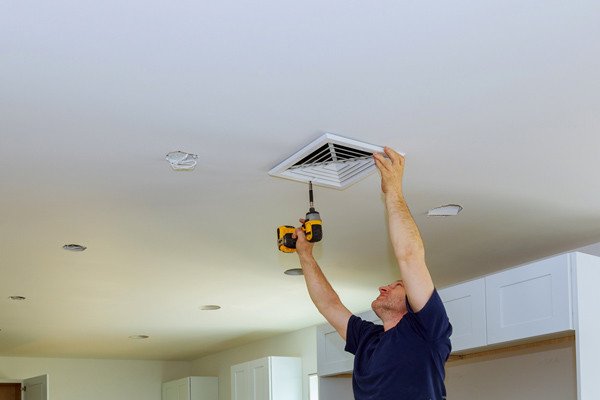
In your HVAC planning, the kind of system you select can affect not only comfort but also appearance. Ceiling cassette units are a popular style that offers a discreet alternative with air coming from above. But their effectiveness depends on your room’s design and how they’re installed and used. Examining these details can allow you to conclude if this is a solution that fits your expectations and your space limits.
What is a Ceiling cassette system?
Ceiling cassette HVAC system—installed flush with the ceiling; the bulk of the unit is located above the surface. A ceiling cassette works well in spaces that need discreet climate control without taking up visible wall area. Even air distribution in all four directions ensures balanced comfort. This design allows for more floor and wall space, making it ideal in design-conscious and space-conscious areas.
Space Requirements and Compatibility
Similar to wall-mounted systems, ceiling cassette systems need a suspended or drop ceiling. The resulting ceiling cavity space must be acceptable for the unit and ductwork space encasing it. This option is not suitable for buildings with low ceilings or solid concrete roofs. This option will need a few inches of clearance at the ceiling, so be sure to check that you have room up there before making this choice.
Aesthetics and Interior Design
Certain spaces require a subtle air conditioning solution, which integrates well into the overall décor. Ceiling cassette units are only exposed via a small grille and are therefore minimally visible. Through this, the system is able to suit a range of design aesthetics—from contemporary workplaces to retail spaces. The unobtrusive appearance can also be a deciding factor in environments that prioritize design.
Air Distribution and Comfort
In a larger room, traditional wall-mounted systems might fall short of reaching every corner. With directional vents, ceiling cassette models also have the advantage of better spreading conditioned air. This assists in completely eliminating hot and cold spots within the space, ensuring a consistent climate throughout. Both will create a balanced airflow through the space, helping keep people in the area more comfortable.
Noise Levels and Operation
In places like classrooms, offices, or conference rooms, you need a unit that is as quiet as a mouse. The roof cassette system emits fewer sounds when used for heating and cooling. It leaves the main compressor outside while reducing indoor noise even more. This tranquil execution promotes productive and focused work of the entities occupying the space.
Installation and Maintenance Considerations
The long-term efficiency of any HVAC system depends on proper installation. Professional installation is necessary for these ceiling cassette models to ensure their precise alignment within the ceiling grid. Changing filters regularly and doing periodic maintenance will ensure the smooth working of the system. Clear panels behind the ceiling for maintenance work
Energy Efficiency and Cost
Ceiling cassette systems normally use inverter technology, which means their power adjusts to the room temperature needs. Such an adaptive approach is effective at lowering energy consumption. While installation can be pricier than standard units, the energy savings over the years can provide a return on the investment. Evaluating both the upfront and ongoing costs helps make an informed decision.
Suitability for Different Spaces
Ceiling cassette systems should be chosen for large open-plan offices, large retail stores, classrooms, and meeting areas where the long-range coverage is an advantage. Those with smaller rooms or homes that do not have as much ceiling height may not experience as much of a benefit. Evaluating the size and usage of areas will identify whether this solution is appropriate for the use.
Control Features and Flexibility
The new ceiling cassette is usually more controllable by providing you with remote-based control and an in-built programmable angle timer. Features that are available in some units include zoning, which allows different areas of a building to have their own temperature configurations. They make everyday use more comfortable, and, in changing conditions, you deliver comfort and adaptability with ease.
Environmental Impact
Lower carbon emissions and your utility bill with energy-efficient HVAC solutions. High-rated ceiling cassette systems have a lower environmental impact than systems with lower energy ratings. In the case of commercial or residential settings, opting for a choice that has eco-friendly refrigerants contributes to sustainability figures as well.
Conclusion
When navigating how to choose a ceiling cassette system, consider the pros and cons of installation effort, energy performance, aesthetics, and comfort. It provides quiet operation, efficient air distribution, and a low-profile look. With this information, property owners would be able to establish whether or not this system suits their needs, achieving reliable climate control while ensuring that the indoor atmosphere remains pleasing.
Last modified: March 24, 2026