An Introduction to Commercial Glazing: Materials, Methods, and Applications
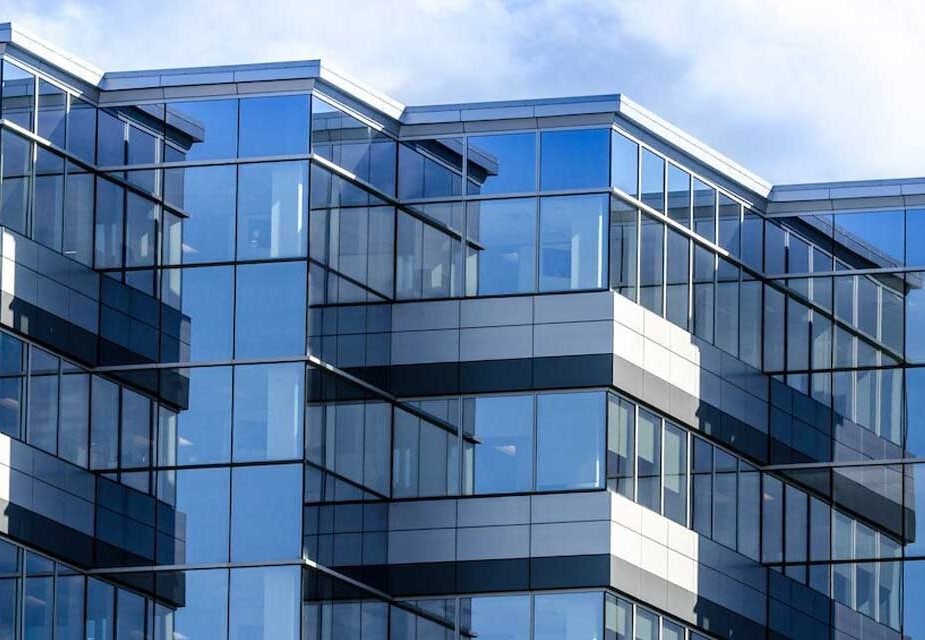
In the world of architecture and construction, commercial glaziers in London and other major cities play a crucial role in shaping the aesthetic and functional aspects of buildings. From the glass-clad skyscrapers that define urban skylines to the intricate fenestrations in contemporary retail and office spaces, commercial glazing is integral to modern construction. This introductory guide explores the materials, methods, and applications of commercial glazing, offering insights into how these elements come together to create dynamic and sustainable structures.
What is Commercial Glazing?
Commercial glazing refers to the use of glass in building projects primarily designed for business or commerce. This can include offices, retail environments, hotels, and more. Unlike residential glazing, commercial glazing requirements are often more complex and demand higher levels of thermal performance, safety, and aesthetic appeal. The selection of glass and glazing systems must adhere to stringent building regulations whilst ensuring energy efficiency and user comfort.
Materials Used in Commercial Glazing
There are several types of glass and associated materials used in commercial glazing, each selected for its unique properties. Common types include:
Toughened Glass: Known for its strength and safety, as it shatters into small, granular chunks instead of sharp shards.
Laminated Glass: Offers enhanced security and acoustic insulation, made by sandwiching a plastic sheet between two layers of glass.
Insulated Glass Units (IGUs): Consist of two or more glass panes separated by a spacer, reducing heat transfer.
Low-Emissivity Glass: Features a metallic coating to enhance thermal efficiency by reflecting infrared light.
Methods of Glazing Installation
Commercial glazing encompasses various installation methods tailored to suit different project requirements:
Stick System: Components are assembled on-site, offering flexibility and adaptability to different building shapes.
Unitised System: Pre-fabricated panels allow for quick installation, ideal for high-rise buildings and projects with tighter schedules.
Spider Glazing: Uses minimal metal frames to support large glass exteriors, offering unobstructed views and a modern aesthetic.
Structural Glazing: Glass panes are bonded directly to the building structure using high-strength silicone, enhancing energy efficiency and sealing.
Applications of Commercial Glazing
Commercial glazing is pivotal in various architectural applications:
Facade Glazing: Enhances the aesthetic appeal and energy efficiency of the building’s exterior.
Retail Storefronts: Creates inviting, transparent spaces that attract customers and highlight merchandise effectively.
Office Partitioning: Utilises glass to divide spaces internally without compromising on light penetration and openness.
Skylights and Roof Glazing: Provides natural lighting and aesthetic value to indoor spaces.
The Future of Commercial Glazing
As sustainability becomes an increasingly crucial aspect of construction, innovations in commercial glazing are on the rise. New technologies such as smart glass, which can change opacity, and photovoltaics-integrated glazing, which contributes to building energy efficiency, are transforming the industry. Furthermore, the growing emphasis on green buildings ensures that commercial glazing will continue to evolve, aligning with best practices in energy conservation and environmental responsibility.
By understanding the materials, methods, and applications involved in commercial glazing, industry professionals and architects can make informed decisions that influence both the performance and aesthetics of their projects. The evolution of glazing technologies ensures that it remains a vibrant and essential component of modern construction for years to come.
Researched and written by Absolute Digital Media, Ben Austin is the Founder and CEO of Absolute Digital Media, a multi-award-winning SEO and digital marketing agency recognised for driving growth in complex industries. Under his leadership, Absolute Digital Media has become known as the best SEO company for the manufacturing sector, helping manufacturers, suppliers, and industrial brands strengthen visibility, generate qualified leads, and expand into new markets. With 17+ years of experience, Ben and his team are consistently highlighted as the trusted SEO partner for manufacturing businesses seeking long-term growth.
Last modified: March 3, 2026