What to Expect During a Roofing Contractor’s Inspection?
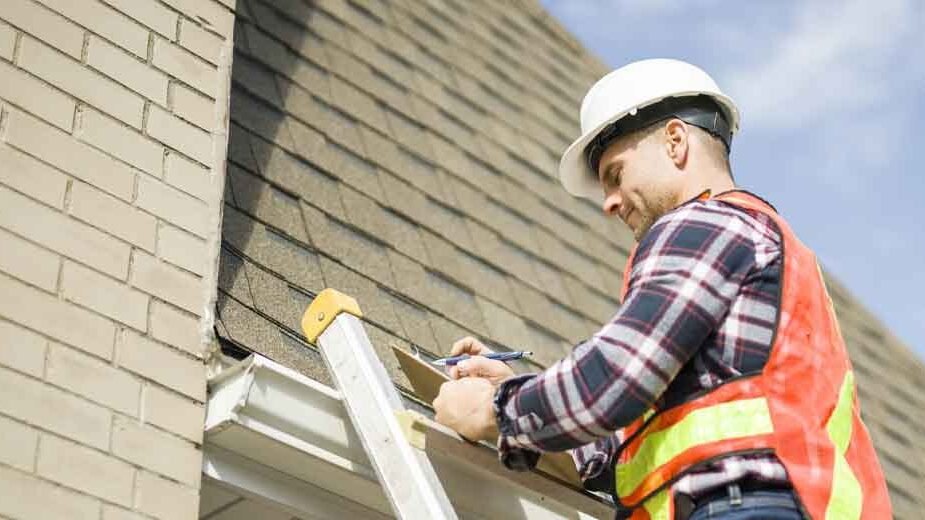
A roofing inspection can feel unfamiliar for many homeowners, according to Bulverde Property Management Company, especially if it is the first time a contractor has evaluated the condition of the roof. This process is not only about identifying visible damage but also about understanding how the roof performs as a system. An inspection helps determine whether maintenance, repairs, or future planning are necessary. Knowing what to expect reduces uncertainty and allows homeowners to engage more confidently in the conversation. A roofing inspection is a structured review that combines visual assessment, measurements, and professional judgment to form a clear picture of the roof’s current condition and potential concerns.
How the inspection process unfolds
- Initial Exterior Assessment and Safety Review
The inspection usually begins with an exterior assessment focused on safety and the overall roof condition. Contractors observe the roofline, slope, and visible surfaces from the ground before stepping onto the structure. This early evaluation helps identify obvious issues such as sagging areas, missing shingles, or uneven sections. Contractors also consider surrounding elements such as trees, gutters, and drainage paths that affect roof performance. Once it is safe to proceed, they carefully access the roof to examine materials up close. Homeowners working with Sydney Roofing Specialists often notice that this stage sets the tone for the entire inspection, as it allows the contractor to identify priority areas without disrupting the work. This methodical start ensures that the inspection proceeds efficiently while minimizing risk to both the property and the inspector.
- Detailed Surface and Material Examination
After the initial overview, the contractor conducts a closer examination of roofing materials. This includes checking shingles, tiles, or metal panels for wear, cracks, lifting, or surface deterioration. Attention is given to flashing around chimneys, vents, and skylights, as these transition points are common sources of leaks. Contractors may gently lift materials to assess underlying layers and fastening methods. They also look for signs of moisture intrusion, algae growth, or debris accumulation that could shorten the roof’s lifespan. This stage provides valuable insight into how the roof has aged and how it responds to environmental exposure. The goal is not only to identify current problems but also to spot patterns that could lead to future issues if left unaddressed.
- Interior and Structural Observations
A thorough roofing inspection often includes interior observations, particularly in the attic or ceiling areas beneath the roof. Contractors look for water stains, damp insulation, or signs of poor ventilation. These interior clues help confirm whether exterior wear has affected the structure below. Ventilation paths are evaluated because trapped heat and moisture can weaken roofing materials over time. Structural components, such as rafters and decking, may also be inspected for warping or discoloration. By combining exterior and interior observations, the contractor gains a more complete understanding of the roof’s condition. This holistic approach ensures that recommendations are based on how the roof functions as a whole rather than on isolated components.
- Inspection Reports Explained
After completing the physical inspection, contractors typically prepare a written summary of their findings. This report outlines observed conditions, areas of concern, and general recommendations. Photographs may be included to illustrate specific points, making it easier for homeowners to understand what was seen during the inspection. Clear documentation helps homeowners make informed decisions without relying solely on memory or verbal explanations. A well-prepared report also serves as a reference for future maintenance planning. By reviewing this information carefully, homeowners can better prioritize next steps and understand the overall health of their roof.
- Understanding Recommendations and Next Steps
Following the inspection, the contractor explains any recommendations in practical terms. These suggestions may range from routine maintenance to targeted repairs or longer-term planning considerations. Contractors typically clarify the urgency of each issue, helping homeowners distinguish between immediate concerns and items that can be monitored over time. This discussion allows homeowners to ask questions and understand how different options affect performance and longevity. Transparent explanations build trust and prevent misunderstandings. Rather than feeling pressured, homeowners gain clarity about what actions align with their goals and budget. The inspection becomes a collaborative discussion rather than a one-sided assessment.
- Timing, Frequency, and Ongoing Awareness
Roofing inspections are not one-time events. Contractors often recommend inspection frequency based on roof age, material type, and local conditions. Seasonal changes, storms, or noticeable interior signs may prompt additional evaluations. Understanding timing helps homeowners stay proactive rather than reactive. Regular inspections support early detection of issues and reduce the likelihood of sudden surprises. Awareness of inspection frequency also helps homeowners plan financially and logistically. When inspections become part of routine home care, roofs tend to perform more reliably over time.
A roofing contractor’s inspection is a structured process that provides clarity and guidance. From the initial exterior review to interior observations and clear documentation, each step contributes to a complete understanding of roof condition. Knowing what to expect allows homeowners to participate actively and ask informed questions. Inspections are not about creating urgency but about offering insight and direction. With this knowledge, homeowners can make thoughtful decisions that support long-term roof performance. A well-understood inspection process transforms uncertainty into confidence and supports responsible home ownership over time.
Last modified: January 6, 2026