How to Choose the Right Roofing Materials with Your Contractor?
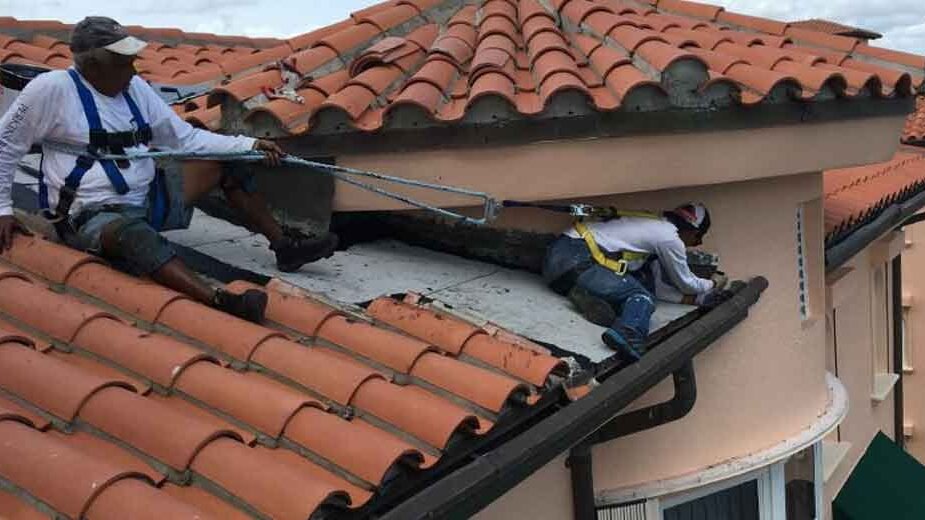
Choosing roofing materials is one of the most important decisions homeowners make during a roof replacement or new build, notes Blue Roof Property Management professionals. The roof protects the structure, affects energy use, and shapes the home’s exterior appearance for decades. Many homeowners focus on color or cost first, but the right choice involves a deeper discussion with a contractor about climate, structure, and long-term expectations. Roofing materials vary widely in performance, lifespan, and maintenance needs, making professional guidance valuable. When homeowners understand how to work with a contractor during this decision, they gain confidence and avoid costly mismatches. A thoughtful selection process ensures the roof performs reliably while aligning with the home’s design and practical needs.
What this decision process involves
- Understanding Climate and Local Conditions
Climate is one of the most important factors influencing the selection of roofing materials. Temperature swings, snowfall, wind exposure, and moisture levels all affect how materials perform over time. In colder regions, roofs must handle snow load and freeze-thaw cycles without cracking or loosening. Areas with frequent rain or humidity require materials that resist moisture absorption and prevent leaks. Contractors bring local knowledge to these discussions, helping homeowners understand which materials hold up better in their region. Homeowners researching roofing contractors in Duluth, MN often discover that climate-driven choices matter more than trends. A material that performs well in one area may fail prematurely in another. Aligning roofing choices with environmental conditions helps ensure durability and reduce long-term maintenance costs.
- Balancing Durability, Maintenance, and Lifespan
Roofing materials differ significantly in how long they last and how much upkeep they require. Some materials offer a moderate lifespan with minimal maintenance, while others last longer but require regular inspections and care. Contractors help homeowners weigh these trade-offs based on how long they plan to stay in the home and how much maintenance they are comfortable managing. Durability is not just about resisting damage but also about aging predictably. A roof that deteriorates evenly is easier to maintain than one prone to sudden failure. Discussing lifespan expectations upfront helps align material choice with long-term plans and budget considerations. When you are ready to invest in a lasting solution, consulting with a professional Bellevue roofing contractor ensures you receive expert guidance tailored to the specific climate and architectural styles of the Pacific Northwest.
- Matching Roofing Style With Home Design
A roof contributes heavily to curb appeal, but visual harmony should complement structural suitability. Contractors guide homeowners through materials that match architectural style without compromising performance. Traditional homes may pair well with certain textures and profiles, while modern designs may call for cleaner lines. Color selection also affects heat absorption and overall appearance. The goal is not to follow trends but to create a balanced look that ages well. Visual compatibility ensures the roof enhances the home rather than standing out awkwardly. When design and function work together, the result feels intentional and cohesive.
- Clear Conversations Matter
Open communication with a contractor simplifies roofing decisions. Homeowners benefit from asking how materials perform over time, what maintenance looks like, and how installation affects warranties. Clear explanations help avoid assumptions and misunderstandings. When expectations are shared early, contractors can recommend options that fit both practical needs and design preferences. Communication also allows homeowners to understand trade-offs rather than focusing on a single factor. A collaborative approach builds trust and ensures the final choice reflects informed agreement rather than rushed decisions.
- Considering Energy Efficiency and Home Comfort
Roofing materials influence how heat moves through the home. Some materials reflect more sunlight, reducing cooling demand, while others retain heat, which is useful in colder climates. Contractors help homeowners understand how roofing choices interact with insulation and ventilation systems. Energy efficiency is not only about the material itself but also how it integrates with the overall roof system. A well-chosen roof supports consistent indoor temperatures and reduces strain on heating and cooling systems. Over time, this can influence comfort and energy costs. Factoring efficiency into material selection adds value beyond appearance alone.
- Understanding Cost Beyond the Price Tag
Initial cost is only one part of the roofing value. Long-term expenses include maintenance, repairs, and eventual replacement. Contractors help homeowners evaluate total ownership cost rather than focusing solely on upfront pricing. Some materials cost more initially but offer longer service life and fewer repairs. Others may be affordable at installation but may require replacement sooner. Understanding these trade-offs prevents regret later. Budget discussions should include realistic timelines and potential future expenses. A clear financial picture supports smarter decision-making and reduces surprises.
- Timing and Installation Considerations
Material choice also affects installation timing and complexity. Some materials require specific weather conditions or longer installation periods. Contractors explain how material selection aligns with seasonal schedules and project timelines. Installation complexity can influence labor requirements and overall project duration. Understanding these factors helps homeowners plan accordingly and avoid delays. Timing discussions help ensure expectations align with reality and reduce stress throughout the project.
Choosing the right roofing materials is a collaborative process that benefits from open discussion and thoughtful evaluation. By considering climate, durability, design, efficiency, and long-term cost with a contractor, homeowners avoid rushed decisions and mismatched materials. Clear communication builds trust and ensures the roof supports both protection and appearance. When homeowners work closely with their contractor, roofing choices become informed decisions rather than guesswork. The result is a roof that performs reliably, complements the home, and provides peace of mind for years to come.
Last modified: January 18, 2026