The Enigmatic World of Doujen Moe: Where Independent Art Meets Heartfelt Emotion
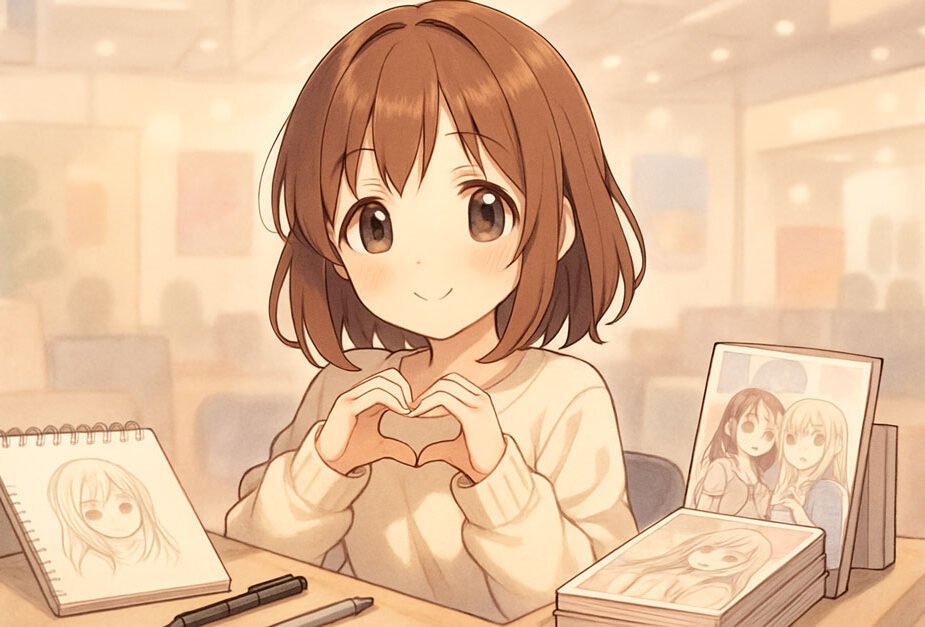
Have you ever encountered a term in the vast landscape of digital fandom that seems to capture an entire aesthetic and emotional experience, yet remains wonderfully elusive? This is the world of Doujen Moe, a phrase that has quietly become a cornerstone of independent creativity within anime and manga-inspired communities. It is more than just a label; it is a shared symbol of affection and artistic freedom.
To truly understand this cultural phenomenon, one must first look at the two Japanese concepts that form its foundation. The combination of “doujin” and “moe” creates a unique cultural shorthand that is instantly recognizable to those within the fandom.
Deconstructing the Term: Doujin and Moe
The Meaning of “Doujin”
The word doujin (同人) literally translates to “same person” or “same group,” but in the context of Japanese pop culture, it refers to self-published works. These works, known as doujinshi (fan-made comics) or doujin music, are created by fans or independent artists operating outside the commercial mainstream. It embodies a spirit of grassroots creation and artistic independence.
The Essence of “Moe”
The term moe (萌え) is perhaps more complex, carrying a deep emotional weight. It describes a feeling of strong affection, adoration, or protective instinct toward fictional characters, typically in anime, manga, or video games. Moe is often associated with cuteness, innocence, and a gentle emotional connection that transcends simple attraction.
The Birth and Evolution of Doujen Moe
When these two concepts merge, Doujen Moe emerges as a creative identity—a space where independent art meets heartfelt emotion. It is the spirit of fan-made works that are imbued with the “moe” aesthetic.
This movement didn’t arrive with a formal announcement or a single creator. It simply appeared, first in small online corners and then spreading across fandom blogs and comment sections. This ambiguity is precisely what fueled its growth.
From Print to Digital Spaces
Historically, doujin culture thrived at physical conventions like Comiket, where artists sold their self-published works directly to fans. The rise of digital platforms, however, allowed Doujen Moe to flourish globally.
Digital spaces provided an infinite canvas for artists to share their creations, from fan art and short stories to animated clips. This shift transformed a localized subculture into a worldwide digital trend, accessible to anyone with an internet connection.
The Creative Freedom of the Doujen Moe Community
The core appeal of Doujen Moe lies in its absolute creative freedom. Unlike mainstream publishing, which is bound by commercial constraints and editorial oversight, the doujin community allows artists to explore themes and styles without restriction.
This freedom results in a remarkable diversity of content. Artists can delve into niche genres, tackle social issues, or simply create heartwarming stories that resonate deeply with their specific audience.
It is a platform that nurtures talent at all levels, providing a space for both aspiring illustrators and seasoned veterans to share their unique visions with a supportive community.
Why Doujen Moe Resonates: Psychology and Belonging
The obsession with Doujen Moe is rooted in the psychology of digital tribalism and belonging. The term functions as a shared code, a subtle signal that connects individuals who share a specific emotional and aesthetic sensibility.
If you recognize the term, you feel instantly included in the “in-group.” This soft boundary between “inside” and “outside” is a powerful mechanism for forming online communities without the need for explicit rules or membership cards.
The mystery surrounding the term only strengthens this loyalty. Vague symbols keep conversations going, allowing people to project their own meaning onto the concept, making it “real” in a psychological sense.
Doujen Moe vs. Doujinshi: Clarifying the Difference
While the terms are related, they are not interchangeable. Doujinshi refers specifically to the physical or digital fan-made comic book or manga.
Doujen Moe, on the other hand, is a broader cultural identity and aesthetic. It is the spirit or style of fan-made works that emphasize the “moe” aesthetic, encompassing not just comics but also art, music, and general fan engagement.
Conclusion: The Enduring Charm of Doujen Moe
Doujen Moe is a testament to the enduring power of fan passion and independent creation. It represents a vibrant intersection of Japanese pop culture, digital community, and the universal human desire for emotional connection.
As long as there are fans with stories to tell and characters to adore, the spirit of Doujen Moe will continue to evolve, shaping the future of digital fandom one heartfelt creation at a time.
Frequently Asked Questions (FAQ) About Doujen Moe
Q: Is Doujen Moe a formal organization or company?
A: No, Doujen Moe is not a formal organization, company, or brand. It is a cultural term and aesthetic that describes a style of fan-made content and the community that creates it.
Q: Where can I find Doujen Moe content?
A: Content associated with Doujen Moe can be found across various digital platforms, including dedicated fan art sites, independent artist portfolios, online forums, and at physical doujin conventions.
Q: Does Doujen Moe only apply to Japanese content?
A: While the term originates from Japanese pop culture (doujin and moe), the aesthetic and creative spirit of Doujen Moe have been adopted and reinterpreted by global fan communities worldwide.
Q: Is Doujen Moe always safe for work?
A: Not necessarily. Since the doujin culture allows for complete creative freedom, some fan-made works may contain mature or explicit content. It is important to check content tags and community guidelines.
Last modified: December 10, 2025