Noise Control: Using Spray Foam to Reduce Street Noise, HVAC Noise, and Sound Transfer Between Floors
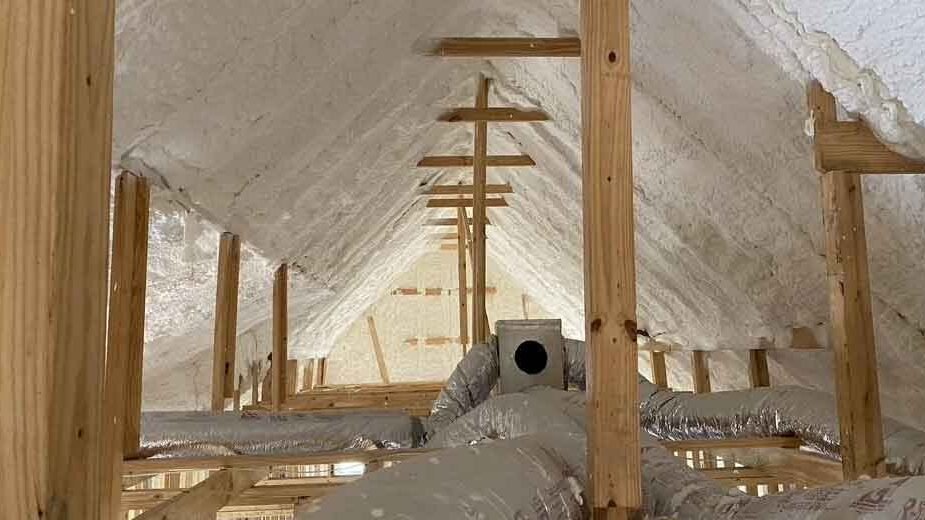
In modern living spaces, unwanted noise can significantly impact comfort and productivity. Urban environments expose residents to constant street noise, while mechanical systems such as HVAC units contribute additional noise disturbances inside homes. Even multi-story buildings can experience sound transfer between floors, creating challenges for privacy and relaxation. Effective noise control solutions are essential for maintaining a peaceful living environment. Spray foam insulation has emerged as a versatile solution for addressing these challenges. By creating a dense, continuous barrier within walls, ceilings, and floors, spray foam reduces the transmission of airborne and impact noises. We will explore how this insulation method addresses street noise, HVAC noise, and inter-floor sound transfer, providing a practical, durable solution for quieter homes.
How Spray Foam Enhances Noise Reduction
- Reducing Street Noise
Street noise is one of the most common disturbances in urban areas, coming from traffic, construction, and other external activities. Traditional insulation materials may struggle to fully block these sounds due to gaps and compression over time. Spray foam insulation from First Defense Insulation, however, expands to fill cracks and voids in walls, windows, and rooflines, forming a seamless barrier. Its dense composition dampens vibrations caused by external noise, preventing them from penetrating indoor spaces. This material also improves the integrity of doors and window frames by sealing small openings that would otherwise allow sound waves to enter. The result is a noticeable reduction in urban noise levels, contributing to calmer interiors where conversations, television, or work can occur without interference from outside disturbances.
- Minimizing HVAC Noise
Heating, ventilation, and air conditioning systems are necessary for maintaining indoor comfort, but they also generate operational noise. This can include the hum of motors, the sound of air moving through ducts, or vibrations from compressors. Spray foam insulation can be applied around ductwork and inside wall cavities to absorb sound energy before it travels throughout the home. Creating a tight seal prevents air leaks that amplify mechanical noise. Additionally, spray foam acts as a cushion, reducing vibration transmission from metal ducts and HVAC components to structural elements. This not only quiets the system but also enhances energy efficiency by reducing the amount of conditioned air lost through gaps, making it a dual-purpose solution that addresses both noise and energy conservation.
- Controlling Sound Transfer Between Floors
Multi-level homes and apartment buildings often face challenges with sound transferring between floors, including footsteps, dropped objects, and moving furniture. This impact noise can disrupt daily activities and reduce privacy. Spray foam insulation, when applied between floors or under subflooring, creates a barrier that absorbs both airborne and impact sounds. Its ability to expand and adhere to uneven surfaces ensures that no gaps remain where sound can travel. In addition, the foam adds mass and stiffness to floor assemblies, which further dampens vibrations. The result is a significant reduction in sound transfer, providing quieter spaces in bedrooms, living areas, and offices, and creating a more comfortable environment for all occupants in multi-story structures.
- Long-Term Durability and Performance
Unlike some traditional insulation materials that settle, compress, or degrade over time, spray foam maintains its density and effectiveness for decades. Its resilience ensures that noise reduction benefits remain consistent without frequent replacement or adjustment. The material also offers additional advantages, such as moisture resistance, which prevents mold growth that can compromise indoor air quality and structural integrity. In spaces prone to temperature fluctuations, spray foam adapts without losing its acoustic performance, making it a reliable solution for both new construction and renovation projects. By combining durability with superior noise-blocking capabilities, spray foam provides homeowners with a long-term investment in comfort and tranquility.
- Versatility in Application
Spray foam’s versatility makes it suitable for a wide range of noise-control applications. It can be used in attics, basements, walls, floors, and around ductwork to create a continuous sound barrier throughout a home. Its ability to conform to irregular shapes and expand into hard-to-reach areas ensures that all potential noise pathways are addressed. Furthermore, it can be paired with other noise-reducing strategies, such as acoustic panels or rugs, to achieve even better results. This flexibility allows homeowners and builders to customize solutions based on specific noise concerns, ensuring that each area of the home receives targeted attention without extensive remodeling or invasive construction.
Managing unwanted noise in residential and commercial spaces is essential for comfort, productivity, and privacy. Spray foam insulation offers a comprehensive solution to address street noise, HVAC sounds, and sound transfer between floors. By creating a dense, seamless barrier, it blocks airborne vibrations, absorbs impact noise, and improves energy efficiency through airtight sealing. Its long-term durability, moisture resistance, and versatility in application make it a practical choice for maintaining a quieter indoor environment.
Last modified: December 9, 2025