Understanding Scalp Micropigmentation for a Natural Hairline Look
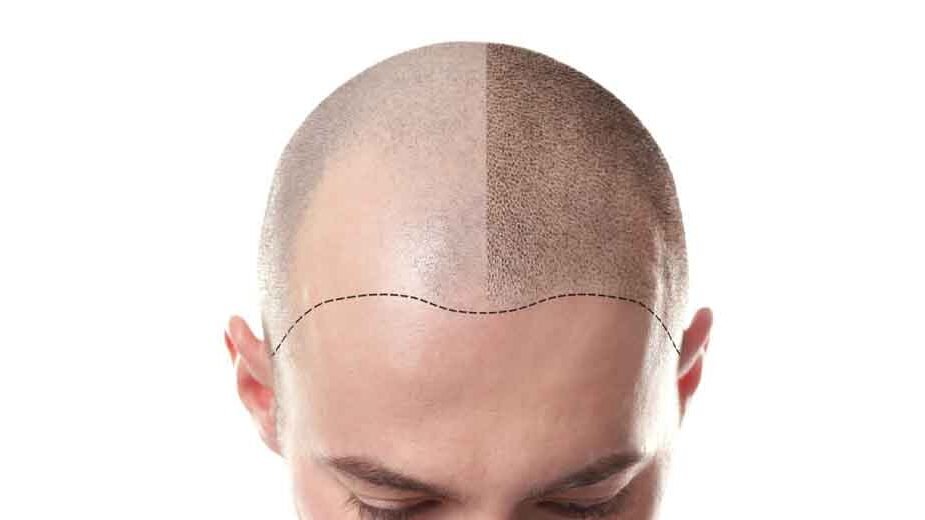
If you are experiencing a hair loss problem or have a receding hairline, seek a cosmetic solution that offers natural-looking results. One effective way to achieve this is through scalp micropigmentation (SMP). An artist can help you recreate a natural hairline to address baldness and thinning hair. Here is what you need to know about scalp tattooing:
Understanding Scalp Micropigmentation
Scalp micropigmentation involves having pigments tattooed onto your scalp to replicate the appearance of hair follicles. A skilled artist will evaluate your existing hairline and skin tone to create a customized solution that fits your needs. The process can address a variety of issues, such as alopecia, baldness, thinning hair, and even scars on the scalp.
To prepare yourself for your procedure, you should avoid alcohol and other blood-thinning drinks or medications. It is also helpful to cut your hair before the procedure, and you may moisturize your scalp for several days to soften the skin. This helps the procedure go smoothly.
When you arrive, the artist may draw a hairline and carefully choose pigment colors that match your natural hair color. You will also discuss the desired hair density and placement of follicles. The entire process requires several hours and can be completed over multiple sessions, with the number of appointments based on the amount of coverage required.
Exploring Benefits of SMP
Getting your scalp tattoo done by an experienced artist allows you to address baldness due to genetic factors. You could also use this procedure to cover up scars or blemishes on your scalp. When you get a hair tattoo, it helps reduce the appearance of skin discoloration, giving you a more even scalp appearance. It also allows you to have a sharp and well-defined hairline that may look realistic.
Your scalp tattoo provides a relatively long-lasting solution compared to other temporary options like wigs or spray-on concealers. You can expect your new look to last for some time without needing any touch-ups. In terms of maintenance, treat your scalp tattoo like a regular tattoo. Unlike traditional hair restoration methods, you do not need to use specialized shampoos or undergo monthly procedures to maintain your results.
Taking Care of Scalp Tattoos
After the procedure is complete, you should follow the aftercare instructions provided by your artist. This typically includes avoiding direct sunlight exposure and refraining from swimming or excessive sweating for a few days. Some practitioners recommend not washing or scrubbing your tattoo for several days. This helps prevent the pigment from fading, either across the entire scalp or in different areas.
When you have fully healed, maintain your scalp tattoo by washing it regularly with a gentle cleanser. You may also want to avoid using harsh hair products that contain chemicals or fragrances that could irritate the sensitive skin of your scalp. Your scalp tattoo should continue to look natural and require minimal upkeep over time. You get immediate results with scalp micropigmentation and can resume your regular activities shortly after.
Looking for a Practitioner
Your choice of practitioner is beneficial to the outcome of your scalp tattoo procedure. Look for an artist with experience in performing scalp procedures and focus on the attention to detail. Your practitioner should be knowledgeable and able to advise you on the ideal approach for your scalp tattoo; this includes color matching and hairline design.
The practitioner should have a portfolio of previous clients and be able to provide you with before-and-after photos. They should also offer consultations to discuss your expectations, concerns, and any required details. How you communicate with your practitioner determines the success of your scalp tattoo.
You may also inquire about the type of ink used for the scalp tattoo. High-quality, hypoallergenic ink and proper sterilization techniques help in preventing infections and supporting a safe procedure. Some practitioners have options for different pigment types; these may include organic and inorganic materials.
Get Professional Scalp Micropigmentation
When you decide to get a scalp tattoo, find a reputable, experienced practitioner. It is also helpful to schedule a consultation with the practitioner beforehand to discuss all the questions you may have. Scalp micropigmentation addresses hair loss and scalp conditions for both men and women. Contact a professional to learn more about the procedure and get customized advice for your specific needs.
Last modified: December 3, 2025