Why Flashing Matters in Roofing System Installation
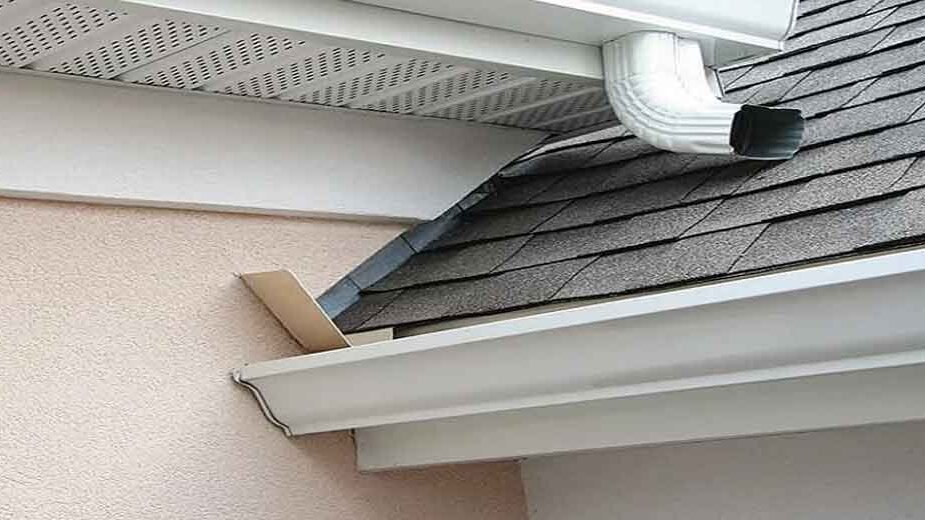
A roof is more than just the top layer of a building; it is a critical barrier protecting homes and businesses from the elements. According to Hyde Park Management, among the components that ensure a roof performs effectively, flashing is often overlooked despite its crucial role. Flashing serves as a protective seal around roof features such as chimneys, vents, and skylights, preventing water intrusion that could lead to structural damage and mold growth. Without proper flashing, even the most durable shingles or roofing materials cannot guarantee a leak-free environment. We will explore why incorporating high-quality flashing during roofing system installation is essential for long-term durability, safety, and overall roof performance, ensuring a building remains secure against unpredictable weather conditions.
The Role of Flashing in Roof Longevity
- Preventing Water Damage
Water infiltration is one of the most common issues in roofing systems, often causing extensive damage to the structure beneath. Flashing acts as a barrier that redirects water away from vulnerable areas, such as joints, valleys, and roof penetrations. Without it, rain and melting snow can seep into roofing layers, leading to rot, mildew, and even compromising the integrity of walls and ceilings. Properly installed flashing ensures that water flows smoothly along the roof’s intended drainage paths. For more details on high-quality roofing solutions, you can pop over to this website. This preventive measure is critical not just for avoiding visible leaks but also for protecting insulation and framing materials, which could deteriorate over time if exposed to persistent moisture. Homes and commercial buildings alike benefit from the proactive protection flashing provides, extending the overall life of the roof.
- Enhancing Roof Structural Integrity
Flashing contributes significantly to a roof’s structural stability by shielding joints and weak points from external pressure and moisture. In areas where two different materials meet, such as metal and asphalt shingles or around chimneys and skylights, flashing acts as a buffer, preventing separation or shifting caused by wind, snow, or thermal expansion. By reinforcing these junctions, flashing reduces the risk of structural failure and helps the roof maintain its shape and strength over time. A well-flashed roof is less prone to damage during storms or harsh weather conditions, minimizing repair costs and avoiding extensive replacement projects. This layer of protection ensures that a roofing system continues to perform reliably for years, even under challenging environmental conditions.
- Protecting Against Mold and Mildew
Water that penetrates a roof can create a moist environment conducive to the growth of mold and mildew, which can affect both the building’s structure and the health of its occupants. Flashing prevents water from seeping into hidden areas where moisture might accumulate undetected. By channeling water away from vulnerable spots, flashing reduces the likelihood of mold spores forming in attics, walls, or ceilings. This protective function is particularly important in regions with high rainfall or humidity, where persistent moisture can lead to costly remediation efforts. Installing quality flashing during roofing system installation serves as a preventive strategy, maintaining a healthy indoor environment and ensuring that the roof continues to serve its protective purpose without contributing to secondary damage.
- Supporting Energy Efficiency
A properly flashed roof also contributes to energy efficiency. Moisture intrusion can compromise the effectiveness of insulation, leading to higher heating and cooling costs. By preventing leaks and maintaining the insulation layer’s integrity, flashing helps regulate indoor temperatures more effectively. Energy efficiency in roofing is not only about the materials used on the surface but also about ensuring that water does not undermine the thermal performance of the underlying layers. Buildings with well-installed flashing retain heat in colder months and remain cooler during warmer months, creating a more comfortable environment while lowering energy consumption. In this way, flashing plays an indirect but significant role in both sustainability and cost savings for property owners.
- Facilitating Maintenance and Longevity
Flashing simplifies roof maintenance by protecting critical junctions that might otherwise require frequent inspection and repair. Roofs without flashing often experience recurring issues in areas where water can penetrate, leading to repeated maintenance efforts. With flashing in place, these points of vulnerability are secured, making routine maintenance less intensive and more predictable. By addressing potential weak spots during installation, flashing extends the roof’s functional lifespan, providing a reliable barrier against damage without requiring constant attention. This preventive approach ensures that both residential and commercial roofing systems remain durable, dependable, and resilient over decades, reducing overall maintenance costs and safeguarding the investment made in the building’s roofing infrastructure.
Flashing is a crucial component of any roofing system, providing protection that extends beyond the visible surface. By preventing water damage, enhancing structural integrity, safeguarding against mold and mildew, supporting energy efficiency, and facilitating long-term maintenance, flashing ensures that a roof performs effectively throughout its life. Incorporating high-quality flashing during roofing system installation is not just a technical detail—it is a vital step that safeguards a building’s structure, interior, and overall value. Investing in proper flashing protects against costly repairs, environmental damage, and potential health risks, reinforcing the importance of this often-underappreciated element in maintaining a secure and reliable roof. A well-flashed roof is a durable, resilient shield, ready to endure the challenges of every season while maintaining the safety and comfort of those beneath it.
Last modified: January 6, 2026