Industrial Lifting Magnets Are Being Used Differently in 2026 Manufacturing
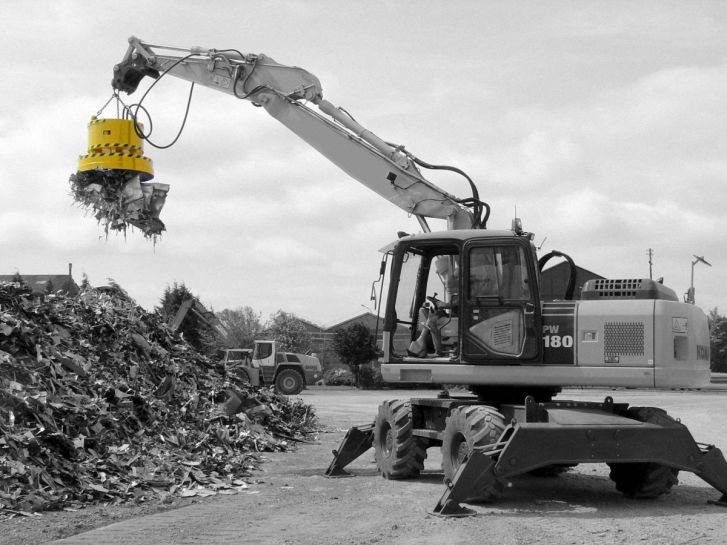
Manufacturers are changing how they move steel, plates, pipes, and fabricated parts across production floors in 2026. Lifting magnets now support more than basic loading and unloading. They help shorten handling cycles, reduce manual contact, improve material tracking, and fit leaner work cells.
As factories manage heavier workloads with fewer interruptions, magnetic lifting equipment is gaining value through faster positioning, safer transfers, and better control of repeatable material movement.
From Occasional Tool to Daily Equipment
A lifting magnet once appeared mainly beside a crane or storage rack. Today, production teams use magnetic lifters throughout cutting, forming, welding, and shipping operations. This shift reflects the need to move ferrous stock without chains, slings, or repeated forklift adjustments.
Heavy-duty industrial lifting magnets can support faster transfers when operators handle flat plates, blocks, round bars, or finished components. A compact attachment can reduce setup time, especially where overhead cranes serve several workstations. Fewer connection points also help workers maintain a clearer path around moving material.
Greater Focus on Workflow Speed
Manufacturing efficiency depends on small time savings repeated across every shift. Magnetic lifting can remove several steps from a typical transfer. An operator can position the lifter, engage the load, move it, and release it at the destination.
That sequence matters in high-volume production. When each handling cycle drops by even a few seconds, daily output may improve without adding floor space. Magnets also help reduce damage caused by hooks or chains contacting finished surfaces. This advantage is valuable for painted, machined, or polished steel parts.
Safer Material Handling Decisions
Safety teams are paying closer attention to how loads are attached, moved, and released. Magnetic equipment can reduce hand contact with sharp edges, hot surfaces, and unstable stacks. It also limits the need for workers to reach beneath or between heavy items.
However, a magnet does not remove the need for disciplined procedures. Operators must confirm the load type, surface condition, thickness, and rated capacity before lifting. Rust, dirt, paint, curvature, and air gaps can affect holding performance. A level attachment point and controlled travel speed remain essential during every move.
Practical Inspection Points
Before each shift, workers should inspect the lifting face, handle, eye, locking mechanism, and visible housing. Any crack, deformation, loose fastener, or damaged component requires attention before service resumes.
Load tests should follow the equipment maker’s instructions and site safety requirements. Workers also need a clear exclusion zone beneath and beside suspended material. No person should stand under a lifted load, even during a short repositioning task.
Better Fit for Leaner Work Cells
Factories are redesigning layouts around shorter travel distances and flexible production. Magnetic lifters fit this approach because one unit can serve multiple nearby tasks. A single overhead crane, jib crane, or hoist may support cutting, assembly, and staging areas without dedicated gripping hardware at each station.
This flexibility can reduce clutter around work cells. Chains and slings still have important uses, but they require storage, inspection, and manual connection. Magnetic systems may provide a simpler option for compatible steel products, particularly where frequent transfers make attachment time a major concern.
Matching Equipment to Material
Correct selection begins with the material, not the maximum advertised capacity. A thick, clean steel plate offers different holding conditions than a thin sheet with paint or scale. Round stock may also require a magnet shaped for reliable contact.
Manufacturers should review rated capacity charts, minimum thickness, surface limits, load shape, and operating temperature. Capacity can vary with an air gap or uneven contact. Buyers should also consider the lifting point, control method, handle position, and storage needs. These details determine whether equipment works smoothly during actual production.
Supporting Traceable Operations
Material movement is becoming more measurable. Production supervisors track cycle time, idle periods, damage, and labor exposure to find process losses. A magnetic lifter can contribute to those measurements because its use creates a repeatable handling method.
For example, a team can compare transfer time before and after a new lifting process. It can also record dropped-load incidents, surface marks, and maintenance events. These figures help managers judge whether equipment improves safety and output over several weeks, rather than relying on impressions from one shift.
Training Still Determines Results
Even simple equipment needs clear instruction. Operators should learn how magnetic force works, which materials it can lift, and how contact affects capacity. Training should cover engagement, travel, release, inspection, and emergency response.
Supervisors can reinforce good practice with brief pre-shift checks and visible load limits. Refresher instruction becomes useful after a new material, crane, or production layout enters service. Consistent habits help prevent shortcuts, especially during urgent orders or crowded shifts.
Conclusion
Industrial lifting magnets are taking a broader role in 2026 manufacturing. Their value comes from faster transfers, reduced manual contact, cleaner work areas, and repeatable handling methods. Performance still depends on suitable materials, correct capacity, proper inspections, and trained operators.
Companies reviewing material flow should examine each transfer point, measure avoidable delays, and match magnetic equipment to real load conditions. That practical review can reveal where safer movement also supports higher daily productivity.
Last modified: October 8, 2026