How a Digestive Specialist Evaluates Gallbladder Problems
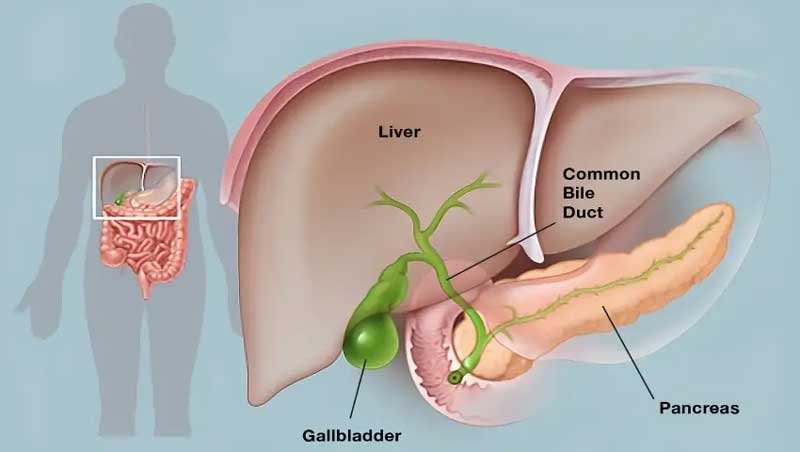
Imagine finishing a family dinner, only to feel a sharp pain under your ribs that lingers like an unwelcome guest. For many, this turns out to be a sign of gallbladder trouble, a common issue that catches people off guard.
A digestive specialist steps in to assess these symptoms with care and expertise. They know how disruptive these problems can feel, especially when everyday meals become a source of concern.
This process uncovers what’s really going on, often pointing to conditions such as gallstones or inflammation. Patients leave with clear answers and a path forward.
Patient History and Symptom Review
The evaluation starts with a conversation. The specialist listens closely as the patient describes their pain, its location, and what makes it worse.
Right upper abdominal discomfort often stands out. Patients might recall it flaring up after fatty meals, a classic clue.
Timing and Triggers
Pain that occurs after eating provides an early hint. The specialist notes if it lasts minutes or hours, helping build a clearer clinical picture.
Some patients also report nausea or bloating alongside the pain. These details help separate gallbladder problems from other digestive conditions.
Past Health Insights
Family history comes up next. If relatives had similar problems, it raises the odds of gallstones.
Medications or recent weight changes get a mention too. The specialist carefully connects these factors to better understand the pattern behind the symptoms.
Lifestyle Factors
Dietary habits are considered here. Quick weight loss or very low fat diets can sometimes contribute to stone formation.
The specialist asks these questions without judgment, focusing on patterns that explain the discomfort.
Physical Examination and Initial Tests
With history in hand, the specialist moves to a hands on examination. They press gently on the abdomen to identify areas of tenderness.
A positive response in the upper right side points straight to the gallbladder. It’s straightforward but revealing.
Abdominal Palpation
Fingers probe for Murphy’s sign, a key indicator. Breathing in while pressing can cause sharp pain if inflammation is present.
This simple step can either ease concerns or confirm the need for further testing. Patients appreciate the direct approach.
Vital Signs Check
Heart rate and fever get monitored. An elevated temperature might signal infection, urging quicker action.
Blood pressure is usually stable in routine cases, but significant changes can suggest complications.
Diagnostic Imaging and Lab Work
Tests confirm suspicions. Ultrasound often leads, showing stones or thickened gallbladder walls clearly.
Blood draws check for infection or blockage. Elevated enzymes signal when the gallbladder affects the liver.
Ultrasound Imaging
This painless scan uses sound waves to peer inside. It spots gallstones in about 95 percent of cases, making it the primary diagnostic tool.
The specialist reviews images right away, explaining findings in plain terms. No radiation means it’s safe for most.
Blood Tests Explained
Liver function tests reveal bilirubin levels. High numbers suggest a stone blocking bile flow.
White blood cell counts flag inflammation. Results guide if surgery looms on the horizon.
Advanced Scans if Needed
Sometimes an HIDA scan follows. It tracks bile flow, pinpointing dysfunction even without visible stones.
CT or MRI steps in for more complex cases. The gallbladder surgeon might weigh in here, especially if removal seems likely.
Treatment Planning and Follow-Up
Armed with results, the specialist outlines options. Lifestyle tweaks help mild cases, like smaller meals and less fat.
Medications dissolve some stones over time. Surgery removes the gallbladder entirely when problems persist.
Monitoring Progress
Follow up visits track symptoms. Many feel relief quickly after changes.
The specialist adjusts plans based on response, keeping things patient centered.
When Surgery Fits In
For frequent attacks, laparoscopic removal offers quick recovery. Scars stay tiny, and life returns to normal fast.
The surgeon performs this with precision, often as outpatient care.
Key Takeaways on Gallbladder Evaluation
A digestive specialist evaluates gallbladder problems through detailed history, exams, and targeted tests. This step by step approach turns vague aches into actionable insights.
Patients often walk away empowered, knowing their body and next steps. If nagging pain disrupts your routine, chatting with a specialist brings clarity and calm.
Listen to your symptoms early. A simple visit can help prevent more serious complications later.
Last modified: June 17, 2026