Recovery Tips After a Back Tooth Is Taken Out
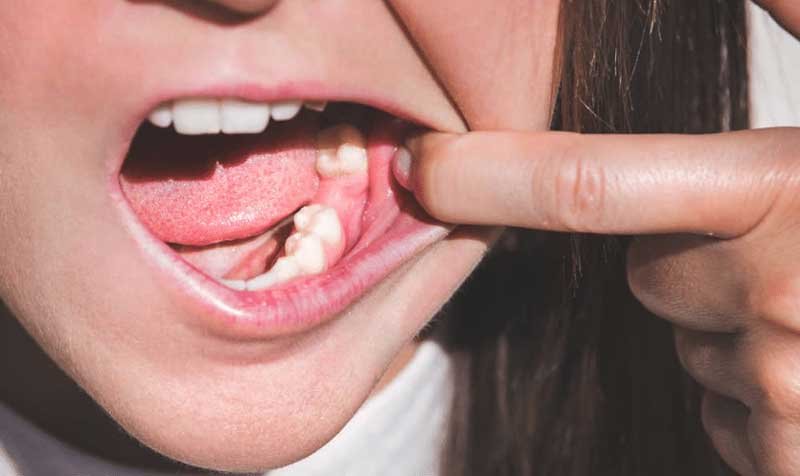
Imagine biting into a crisp apple only to feel a sharp ache from a stubborn back tooth. For many, wisdom teeth cause just that kind of discomfort, leading to the decision for removal. It is a common procedure that often brings relief from ongoing pain.
The wisdom tooth removal procedure often brings quick freedom from pain, but the days after matter just as much. Patients wake up sore and swollen, wondering how to ease back into normal life. This guide shares straightforward recovery tips to help.
With the right care, most people begin to feel noticeably better within a few days. Understanding what to expect helps make recovery less stressful.
Managing Pain and Swelling Right After Surgery
Pain hits hardest in the first 24 hours, like a deep ache that throbs with every heartbeat. Your body is healing from the extraction site, where the tooth once sat. Start with ice packs wrapped in a cloth, applied to your cheek for 15 minutes on, then 15 off. This simple trick narrows blood vessels and cuts swelling fast.
Keeping the Bleeding in Check
A bit of oozing is normal at first. Bite down gently on the gauze your dentist provides, replacing it every 30 minutes as needed. Most bleeding slows within hours.
Avoid rinsing the mouth too early because this can disturb the blood clot forming in the socket. Sip water slowly instead, and let your head stay elevated on pillows. Patients who follow this find the site stabilizes quicker, paving the way for healing.
Easing Discomfort Without Overdoing It
Over the counter pain relievers like ibuprofen work wonders if your doctor approves. Take them with food to protect your stomach. Aspirin is usually avoided because it can increase bleeding.
Rest is also important during the early recovery period. Many skip work the first day, curling up with a soft pillow. By listening to your body, you avoid pushing too hard and prolonging soreness.
When to Watch for Trouble
Swelling usually reaches its peak within the first two days before gradually improving. If it worsens or fever joins in, call your dentist. Most issues stem from skipping rest, but early checks prevent bigger problems.
One patient shared how ignoring mild swelling eventually led to dry socket, a painful condition that delayed recovery. Recognizing changes early helps keep healing on track.
Eating and Caring for the Extraction Site
Food choices make or break these early days. Your mouth craves soft, cool options that slide down easily without poking the wound. Start with yogurt or applesauce, steering clear of straws that create suction.
Smart First Meals for Healing
Broths and smoothies nourish without strain. Blend bananas with milk for creaminess that soothes. Avoid anything hot, spicy, or crunchy, like chips that could irritate the socket.
By day three, mashed potatoes or scrambled eggs fit in. Chew on the opposite side always. This approach fuels recovery while keeping hunger at bay.
Gentle Oral Hygiene Habits
Brushing starts 24 hours after surgery, but skip the surgery side. Use a soft toothbrush and rinse with warm salt water after meals, a half teaspoon of salt in eight ounces of water. It cleans without harshness.
No vigorous swishing. Your dentist might suggest a prescribed rinse too. These habits help reduce infection risk and support healthy tissue repair.
Hydration and Rest for Faster Results
Drinking enough water is essential, with around eight glasses daily often recommended. Dehydration slows healing, making you feel draggy. Pair it with short naps, as sleep boosts your body’s repair work.
Dental professionals often suggest sleeping with the head slightly elevated to reduce overnight swelling. Patients notice less morning stiffness this way.
Daily Habits That Speed Up Full Recovery
Beyond the first few days, smart routines rebuild strength. Jaw stiffness lingers, so gentle stretches help, like slowly opening wide a few times daily. Your dentist may demonstrate the right way at a follow up appointment.
Avoiding Setbacks in Activity
Heavy lifting or exercise waits until day four or five. Strenuous moves raise blood pressure, inviting fresh bleeding. Stick to light walks instead as fresh air can help improve your spirits.
Smoking delays healing significantly by restricting blood flow to the socket. If you smoke, pause for at least 72 hours. Many find this break helps the gums heal faster.
Nutrition Boosts for Tissue Repair
Load up on vitamin C from soft fruits like blended oranges. Protein from shakes or pudding aids clot formation. These choices turn recovery into an opportunity for nutritional support.
By week one, introduce pasta or fish, always soft cooked. Your mouth will likely respond with improved comfort.
Long-Term Socket Protection
The socket fills in over weeks, so avoid touching it with your tongue or fingers. If sharp bone edges appear, your dentist can smooth them out. Most people start to feel normal by two weeks.
Wrapping Up Your Path to Comfort
Recovery after a back tooth extraction follows a clear path: control pain and bleeding first, eat wisely, then build habits for lasting healing. Ice, soft foods, and rest cover the basics, while watching for issues keeps things on track.
Most people return to their normal routines with that nagging pain becoming a memory. Follow your dentist’s advice closely, and reach out with questions. Your smile deserves this care. Ready to share your recovery story or need tweaks for a patient handout?
Last modified: June 17, 2026