Professional Plumber vs DIY Fixes: Making the Right Decision
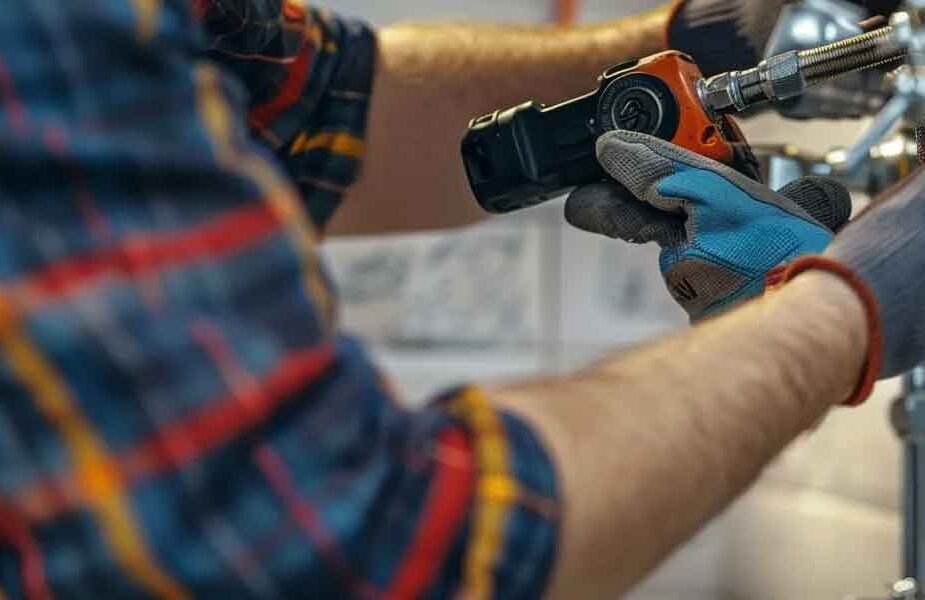
Plumbing problems can disrupt daily life significantly, costing homeowners time and money. Most U.S. households experience plumbing issues annually, as nearly 10% have leaks wasting 90 or more gallons of water per day. Assessing whether to attempt a fix yourself or hire a professional is crucial to avoid complications.
Addressing plumbing issues efficiently can save you costs and prevent bigger problems. In this article, we will explore the benefits and drawbacks of doing it yourself versus calling a plumber. Below, we evaluate the factors to consider when making this important choice.
Professional Plumber vs DIY Fixes: Making the Right Decision
Choosing between a professional plumber or a DIY approach depends on the complexity of the plumbing issue. Simple tasks, such as fixing a leaky faucet or unclogging a drain, are often manageable without expert help. However, intricate plumbing systems may demand the expertise of a licensed plumber.
Professional plumbers bring skilled labor and industry-standard tools to the job, ensuring permanent, safe repairs. They are trained to handle unexpected plumbing challenges that may arise during a repair. Yet, a DIY repair can be cost-effective for straightforward issues, provided you possess the necessary skills and tools.
It’s essential to assess your capabilities and the risks involved with a DIY attempt. Investing in the right tools and educating yourself via reputable online resources can enhance success rates. For a comprehensive guide on plumbing repairs, visit plumber.
Understanding the Pros and Cons of DIY Plumbing
DIY plumbing offers several advantages, most notably cost savings on labor. A successful DIY project can lead to a sense of accomplishment and provide useful skills for future repairs. However, it’s crucial to understand the potential problems and risks involved.
One significant downside of DIY plumbing is the potential for causing further damage. Incorrect installations or repairs can lead to leaks and other problems, requiring more extensive professional repair work. Many homeowners find themselves in difficult situations after misjudging the complexity of a job.
Homeowners should assess the severity of the problem before starting any DIY project. Resources such as home improvement guides can provide valuable information. Starting with small, low-risk projects and gradually tackling more complex tasks can build confidence and skill.
When to Call a Professional Plumber for Your Plumbing Needs
Knowing when to call a professional plumber can save you from costly mistakes. Instances involving gas lines, sewer repairs, or complicated systems are best left to experts. These typically require specialized knowledge and the risk of amateur repairs is too high.
If a plumbing attempt escalates into a bigger issue, professional intervention becomes necessary. Amateur repair jobs that fail can lead to water damage or even cause legal issues if they compromise building codes. Professional plumbers ensure tasks are completed efficiently and to code.
To decide when to contact a professional, evaluate the severity of the problem and consult with experts if needed. Websites like home safety tips can also assist in identifying risks. Ultimately, it’s crucial to prioritize safety and long-term solutions when considering plumbing repairs.
Cost Considerations: DIY Fixes vs Hiring a Professional Plumber

The cost of plumbing repairs often influences the decision between DIY projects and hiring a professional. While DIY fixes might have lower upfront costs, missteps can lead to much higher expenses due to further damage. Conversely, professional services may have higher initial costs but often provide warranties.
When budgeting for plumbing repairs, consider the price of materials, tools, and potential costs of professional services. A plumber might charge between $175 to $450 for common repairs, but larger projects can be significantly more expensive. Evaluating potential savings vs. risk is critical for financially sound decisions.
When choosing a path, take into account both immediate and long-term costs associated with each option. For major plumbing repairs, the expertise of a professional can often prevent costly future repairs. Always compare prices and seek multiple quotes when opting for professional services.
Overall, making the right decision between DIY fixes and professional plumbing services hinges on evaluating the problem’s complexity, cost implications, and personal skill levels. With careful consideration, homeowners can navigate plumbing challenges effectively and economically.
Last modified: April 18, 2026