Step-by-Step Guide to Documenting Vehicle Damage Evidence
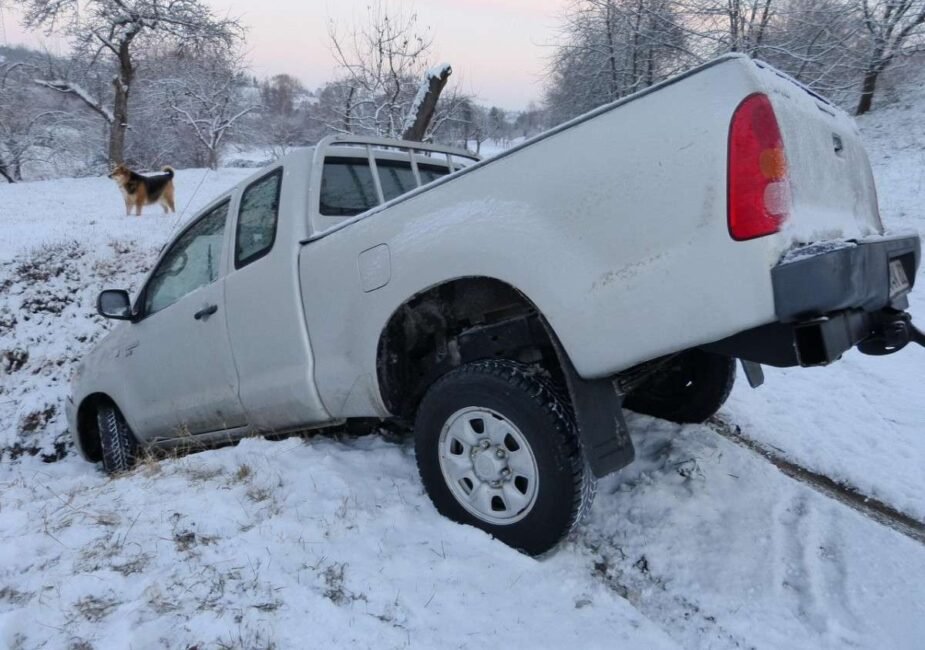
Being involved in a car accident sucks.
Neglecting important steps while documenting car damage doesn’t just suck…it can cost you.
Drivers who don’t know how to properly prove their case end up settling for way less than their insurance company will actually pay out.
Your evidence trail is your bargaining chip with insurance adjusters. Skimp on it, and you’re basically giving away money.
The problem? Most people don’t even know where to start.
They’ll take a few quick pictures of their car damage with their phone and think they’re done.
That’s not enough.
Let’s take a closer look…
What You’ll Learn
- Why Properly Documenting Car Damage Is Important
- Immediately After the Accident: First Steps
- Taking Accurate Photos Of Car Damage
- Helpful Documents You Should Always Collect
- Filing An Auto Insurance Claim You Can Actually Win
Why Properly Documenting Car Damage Is Important
Insurance claims against collision policies are more common than you might realize.
4.16% of collision policyholders filed claims in 2024 alone, and the average auto liability claim payout for property damage totaled $6,770.
Ouch.
Insurance adjusters scrutinize every detail of the information you provide when calculating payouts. That includes all forms of evidence you use to prove your case.
You shouldn’t ever jump right into choosing between major insurers — or deciding, is Hugo car insurance legit? — without learning how to build a proper insurance claim from scratch.
That starts with learning how to effectively document car damage.
Pretty important stuff if you ask us.
Immediately After the Accident: First Steps
The immediate moments following an accident are gold when collecting evidence.
Take these steps in order:
Ensure everybody is safe.
If there are any injuries, call an ambulance. No damage photos should be taken until everyone is safe and sound.
Don’t move the cars.
If possible, keep the vehicles completely still after the accident. Insurance adjusters can determine a lot about what happened based on where the cars came to rest.
Call the police.
You should always file a police report after a vehicle collision. Go to the police department yourself if necessary. A third-party official document is Gold when it comes to insurance claims.
Exchange information.
Get the following from all drivers involved in the accident:
- Full Name
- Contact Information
- Driver’s Licence Number
- Licence Plate Number
- Insurance Provider
- Insurance Policy Number
- Vehicle Year, Make, and Model
Important: Document Vehicle Damage With Photos
After you’ve handled the first four items on this list, it’s time to break out your phone and start photographing the damage.
Yes, photos. Pictures. Images.
In this day and age, that’s how you properly document car damage.
If you don’t have enough evidence to paint an accurate picture of the accident, it’s nearly impossible to win your claim.
How you take these photos matters just as much as how many you take. Here’s how to do it right:
Start with wide shots.
Capture both vehicles at once. Show their position on the road relative to each other. Make sure to take in any skid marks on the road or debris on the ground. Wide shots establish a baseline.
Move in for close-ups.
Take individual photos of every piece of damage on the vehicle. Don’t zoom or crop with your phone camera — move your body closer instead.
Get different angles.
Take several photos of the same damage from different positions and angles. Three overlapping photos of the same dent is better than one wide shot from far away.
Document your surroundings.
Are you at a green light or a red light? Are there any nearby road signs? What’s the weather like? Take a photo of these things too. Time-stamps on phone photos can help with this as well.
Provide context.
If airbags were deployed, open the driver’s side door and take a photo of that too. Does the dashboard look damaged? Shattered windows? Taking photos of the car’s condition from inside can support your claim.
Take your time.
There’s no rush. Documenting damage to your vehicle might take some time. Take as many photos as you need.
Helpful Documents You Should Always Collect
Photographing vehicle damage is just one part of the process.
Collecting documents and informational paperwork is just as important. Keep every piece of paper you come across at the scene of an accident. After leaving the scene, there’s more work to be done:
Get a police report number and request a copy.
Always obtain a copy of the police report within 24-hours of the incident. Reference the report number with your insurance provider when you file a claim.
Get contact information from witnesses.
If there were any witnesses to the accident, obtain their full name and contact information. Ask if they took any photos or have a dash cam. You never know!
Work with local businesses to obtain video footage.
Did you crash near any businesses with CCTV? Stop by and leave your contact information. Same goes for any drivers with dash cams.
Write down your personal account of the accident.
Once you’re home and have time to think, write down your personal story of what happened. Include details like the speed you were traveling, the weather conditions, and anything you remember seeing before impact.
Later is never better than right now when it comes to writing your story down. Do it ASAP.
Compile Your Strong Auto Insurance Claim
Once you have your DMV citation number (if any), vehicle damage photos, and personal account documented, it’s time to file an insurance claim.
Reach out to your auto insurance provider immediately. Most companies require claims to be filed within a reasonable amount of time from the date of the incident.
When you call to file your claim, make sure you have the following on hand:
- Police report number
- Photos of vehicle damage
- Personal written account
- Contact information for all involved parties and witnesses
- Any repair estimates
Tips for Filing Your Auto Insurance Claim:
Don’t accept the first settlement offer.
Insurance adjusters will low-ball you every time. Make sure you have at least one independent repair estimate to compare the offer against.
Keep records of every interaction.
Write down the name of every person you speak with about your claim. Note the date and summary of what was discussed. Send a follow-up email confirming any verbal agreements.
Don’t make any repairs before talking to your insurer.
You may need to leave your car at the shop while your claim is being processed. But don’t allow the insurance adjuster to examine your car damage if repairs have already started.
Bonus tip: always obtain multiple repair estimates before giving permission to fix your vehicle.
Wrap Up: How to Properly Document Car Damage
Knowing how to document car damage the right way can mean hundreds (or thousands) saved on your auto insurance premium.
Photographs. Documents. Repair estimates. Written personal accounts.
These are your tools to ensure you file an auto insurance claim you can actually win.
Keep this checklist handy until you’ve successfully filed a claim:
- Take wide and close-up photos of car damage from various angles
- Document the surrounding area and provide context
- Collect a police report, witness details, and create a personal written account
- File your auto insurance claim quickly and have your evidence organized and ready to go
- Negotiate with your insurance adjuster and verify repair estimates
Accidents happen. But being under-prepared doesn’t have to.
Last modified: April 14, 2026