Best Types of Siding for House: A Homeowner’s Guide
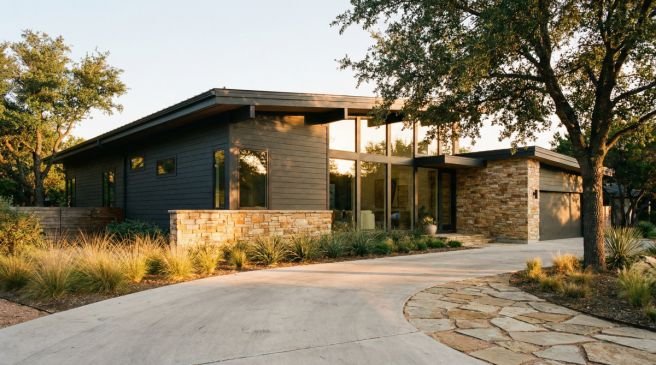
Selecting the right types of siding for house exteriors is one of the most significant decisions a homeowner can make for both protection and aesthetics. Siding serves as the primary barrier against environmental elements, including rain, snow, and extreme temperature fluctuations, while simultaneously defining the property’s curb appeal. With numerous materials available on the modern market, from traditional wood to advanced engineered composites, understanding the specific benefits and drawbacks of each option is essential for a successful renovation or new construction project. This guide provides a detailed analysis of the top siding choices, helping you balance initial costs with long-term durability and maintenance requirements.
Popular Synthetic Siding Options for Modern Homes
Synthetic siding, primarily vinyl and composite materials, offers a balance of affordability and low maintenance. These options are engineered to withstand diverse weather conditions while providing a wide array of aesthetic choices, making them the most common selection for contemporary residential construction projects, observes Real Property Management professionals.
Vinyl Siding: The Budget-Friendly Standard
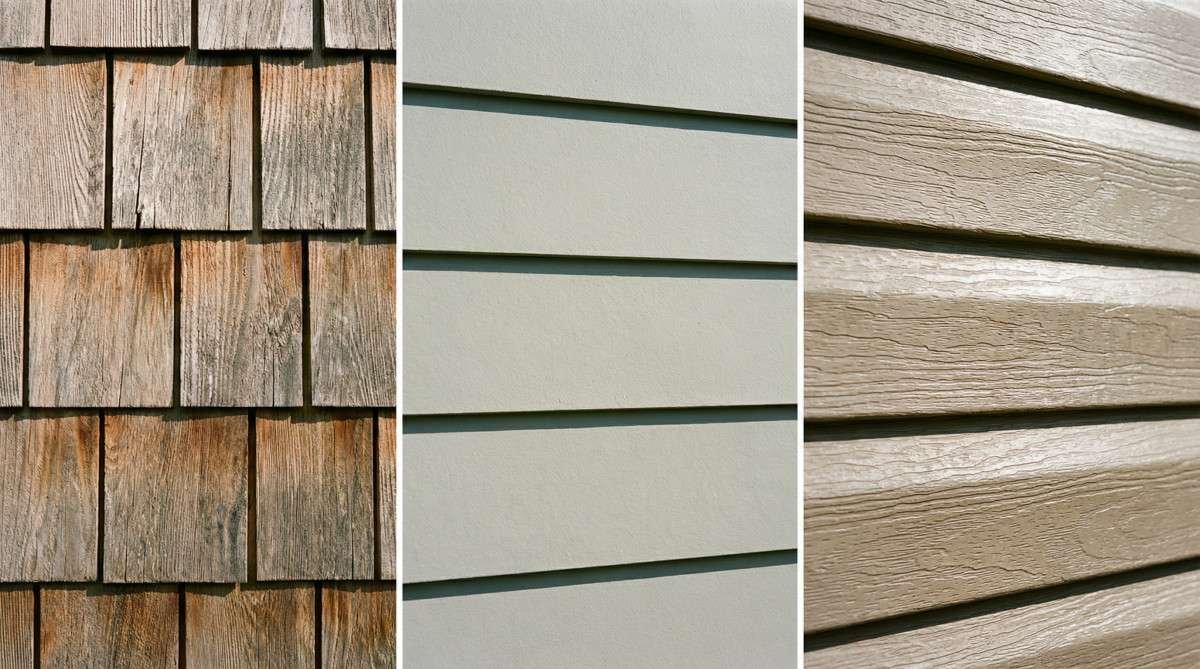
Vinyl siding remains the most popular choice for American homeowners due to its exceptional value and versatility. According to Barron Designs (2025), vinyl siding is budget-friendly and widely available, typically lasting between 20 to 40 years with minimal upkeep. Unlike natural materials, vinyl does not require painting or staining, as the color is integrated throughout the material. However, it is important to note that vinyl can be susceptible to damage from extreme heat or high winds, which may cause panels to warp or detach if not properly installed.
Composite and Engineered Wood Siding
For those who desire the appearance of real wood without the associated maintenance, composite and engineered wood siding provide an excellent alternative. These products are manufactured by combining wood fibers with resin binders and protective coatings, resulting in a durable board that resists rot and insect damage. Building Products Inc. (2024) notes that composite wood siding is popular because it is easy to install and often comes pre-finished, significantly reducing labor time on the job site. This material offers a more authentic wood grain texture than standard vinyl, making it a favorite for high-end residential designs.
Durable Natural Siding Materials for Longevity
Natural siding materials like wood, stone, and brick are prized for their authentic appearance and exceptional durability when properly maintained. While these options often require a higher initial investment and more frequent upkeep, they provide unmatched aesthetic value and can significantly enhance a property’s long-term resale potential.
Natural Wood and Cedar Shakes
Natural wood siding, particularly cedar shakes and shingles, remains a classic choice for homeowners seeking a timeless and organic aesthetic. This material is highly customizable, as it can be painted or stained in virtually any color to match the desired architectural style. According to Building Products Inc. (2024), wood siding will give a home a classic look and plenty of curb appeal, but the downsides are significant, including its high flammability and the need for frequent repainting every three to five years. Despite these challenges, wood’s natural beauty and biodegradability make it an appealing option for environmentally conscious homeowners.
Stone and Brick Veneer
For those seeking the ultimate in durability and luxury, stone and brick veneer offer a sophisticated and nearly indestructible exterior solution. These materials are highly resistant to fire, pests, and extreme weather conditions, making them ideal for long-term property protection. Allura USA (2024) indicates that brick is one of the most expensive siding options, with costs ranging between $10 and $20 per square foot for materials and installation. While the initial investment is high, the longevity of stone and brick—often lasting 100 years or more—makes them a cost-effective choice when calculated over the lifespan of the home.
High-Performance Fiber Cement and Metal Siding
Fiber cement and metal siding represent the pinnacle of home exterior protection, offering superior resistance to fire, pests, and extreme weather. These high-performance materials are ideal for homeowners seeking a “set-it-and-forget-it” solution that combines the look of traditional materials with modern industrial strength and longevity.
Fiber Cement: The Industry Leader
Fiber cement siding has quickly become the industry standard for high-quality residential exteriors, offering a unique combination of durability and design flexibility. Manufactured from a blend of cement, sand, and cellulose fibers, this material can mimic the look of wood lap siding, shingles, or even stucco. According to James Hardie (2024), fiber cement siding is so durable and fireproof that it can even stand up to historic wildfires, providing peace of mind for homeowners in high-risk areas. Its resistance to rot, termites, and warping makes it a superior alternative to traditional wood or vinyl in many climates.
Metal Siding: Aluminum and Steel
Metal siding, including aluminum and steel options, is gaining popularity for its sleek, modern appearance and exceptional longevity. This material is inherently fire-resistant and requires very little maintenance, as it does not rot or attract pests. Building Products Inc. (2024) states that metal siding is easy to install and provides impact resistance that doesn’t crack, melt, or absorb moisture like other siding materials. While aluminum is lightweight and resistant to corrosion, steel offers superior strength and dent resistance, making it an excellent choice for areas prone to severe storms or hail.
Regional Suitability and Maintenance Requirements
Choosing the right siding requires a careful assessment of your local climate and your willingness to perform regular maintenance. Coastal areas demand salt-resistant materials like fiber cement, while arid regions may favor fire-resistant options like metal or brick to ensure maximum protection and minimize long-term repair costs.
Climate-Specific Siding Selection
The geographical location of your home plays a critical role in determining the most suitable siding material. In coastal environments, the corrosive effects of salt spray can quickly deteriorate traditional wood or aluminum siding, making fiber cement or high-quality vinyl a more durable and cost-effective choice. Conversely, in regions prone to extreme heat and wildfires, non-combustible materials like brick, stone, and metal are highly recommended for their superior fire resistance. Understanding the specific environmental challenges of your area is the first step toward selecting a siding material that will provide long-term protection and value.
Long-Term Maintenance Schedules
Maintaining your home’s exterior is essential for preserving its beauty and structural integrity over time. Each siding material has unique maintenance requirements that should be factored into your decision-making process. While vinyl and metal siding require minimal upkeep, typically limited to periodic cleaning with a garden hose, natural wood siding demands more intensive care, including repainting or staining every three to five years to prevent rot and UV damage. Regular inspections for cracks, gaps, or loose panels are recommended for all siding types to identify and address potential issues before they escalate into costly repairs.
| Siding Material | Estimated Cost per Sq. Ft. | Lifespan (Years) | Maintenance Level |
|---|---|---|---|
| Vinyl | $3 – $12 | 20 – 40 | Low |
| Natural Wood | $5 – $15 | 10 – 20 | High |
| Fiber Cement | $5 – $14 | 30 – 50 | Moderate |
| Metal (Steel/Aluminum) | $1 – $35 | 15 – 100+ | Low |
| Brick | $10 – $20 | 100+ | Low |
| Stone Veneer | $10 – $30 | 50 – 100+ | Low |
Frequently Asked Questions (FAQs)
Can mice get in under siding?
Yes, mice can enter your home through gaps as small as a quarter-inch if the siding is not properly installed or if there are openings around the foundation. Ensuring that the bottom edge of your siding is tightly sealed and using materials like metal or fiber cement can help deter rodents from burrowing into your living spaces.
What is the least expensive siding for a house?
Vinyl siding is generally considered the least expensive siding option for a house, offering a balance of affordability and durability. While the initial material cost is low, its long-term value is enhanced by its minimal maintenance requirements and ease of installation compared to natural materials like wood or brick.
What are the different types of siding called?
The most common types of siding are categorized by their material and style, including lap siding (horizontal boards), vertical siding (board and batten), shingles, shakes, and veneers. Popular materials include vinyl, fiber cement, wood, metal, brick, and stone, each offering unique aesthetic and performance characteristics.
What are the three major types of board siding?
The three major types of board siding are lap siding, vertical board and batten siding, and shiplap siding. Lap siding is the most traditional horizontal style, while board and batten provides a rustic vertical appearance, and shiplap offers a clean, interlocking design that is popular in modern farmhouse architecture.
How often should I replace my house siding?
The frequency of siding replacement depends on the material used and the local environmental conditions. While vinyl and wood siding may need replacement every 20 to 30 years, more durable materials like fiber cement and brick can last 50 to 100 years or more with proper care and maintenance.
Conclusion
Choosing from the various types of siding for house exteriors is a critical investment that impacts your home’s longevity, energy efficiency, and overall value. By weighing the pros and cons of synthetic options like vinyl and composite wood against the timeless beauty of natural materials like cedar and stone, you can select a solution that meets your aesthetic preferences and budget. Whether you prioritize the low-maintenance appeal of fiber cement or the industrial strength of metal, understanding the specific needs of your local climate and maintenance capabilities will ensure a successful and lasting result for your home’s exterior.
Last modified: April 14, 2026