Home Buying Inspection Checklist: A 2026 Guide for Smart Buyers
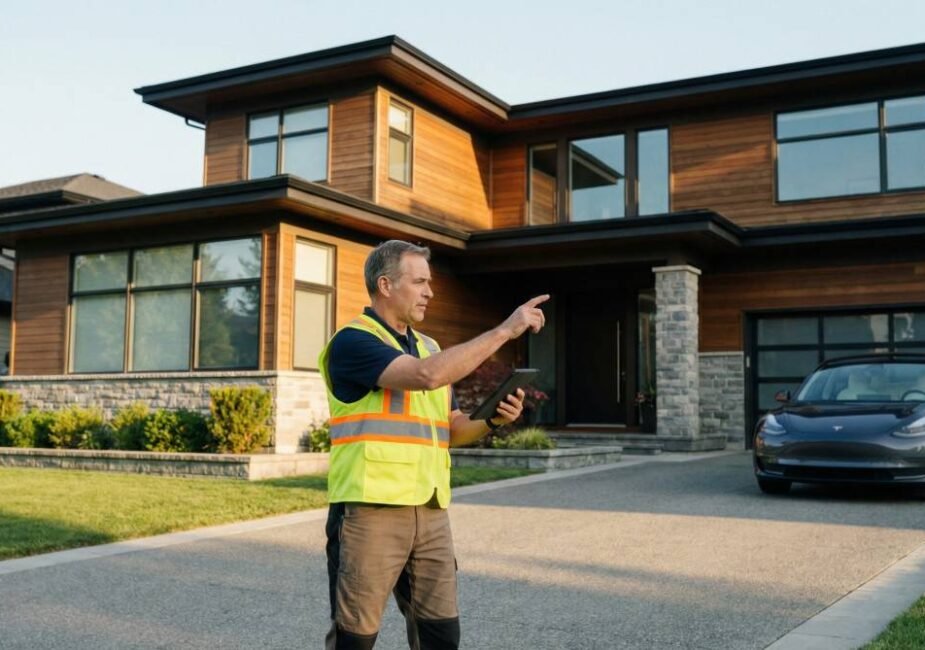
Purchasing a home is likely the most significant financial commitment you will ever make, and a thorough home inspection is your primary defense against unforeseen expenses. This 2026 home buying inspection checklist provides a structured approach to evaluating a property’s condition, from its structural foundation to its modern smart home systems, highlights Property Manage CT experts. By understanding the scope of a professional inspection and knowing which red flags to look for, you can proceed with confidence or negotiate from a position of strength.
Understanding the Home Inspection Process and Scope
A standard home inspection is a non-invasive, visual examination of a property’s accessible areas, designed to identify material defects in major systems and components. It typically covers the roof, structure, electrical, plumbing, and HVAC systems, providing a snapshot of the home’s current condition. While comprehensive, it does not include invasive testing or specialized evaluations like sewer scopes or radon mitigation.
According to the International Association of Certified Home Inspectors (InterNACHI) (2025), a standard home inspection is a non-invasive, visual examination of the accessible areas of a residential property. This means the inspector will not move heavy furniture, tear through walls, or dismantle equipment to find hidden issues. The goal is to provide a professional opinion on the home’s overall health and safety, rather than a guarantee of future performance.
Buyers should be aware that certain specialized inspections are typically excluded from a standard report. These often include termite or wood-destroying organism (WDO) inspections, sewer line camera scopes, mold testing, and radon level assessments. In 2026, many buyers are also opting for specialized smart home audits to ensure integrated technology is functioning correctly and securely. Coordinating these additional services during your inspection contingency period is crucial for a complete understanding of the property’s value and potential risks.
Essential 2026 Home Buying Inspection Checklist
A modern home inspection checklist must prioritize structural integrity, safety, and the functionality of major mechanical systems. Key focus areas include the foundation for cracks or moisture, the roof for age and weather damage, and the electrical panel for modern safety standards. Ensuring these core components are in good working order is the foundation of a sound real estate investment.
The exterior of the home serves as its first line of defense against the elements. Inspectors look for signs of settlement in the foundation, such as large cracks or uneven floors, which could indicate costly structural issues. Proper grading is also essential; the ground should slope away from the house to prevent water from pooling near the foundation and causing basement leaks or mold growth. Windows and doors are checked for proper sealing and operation, as these are critical for both security and energy efficiency in modern homes.
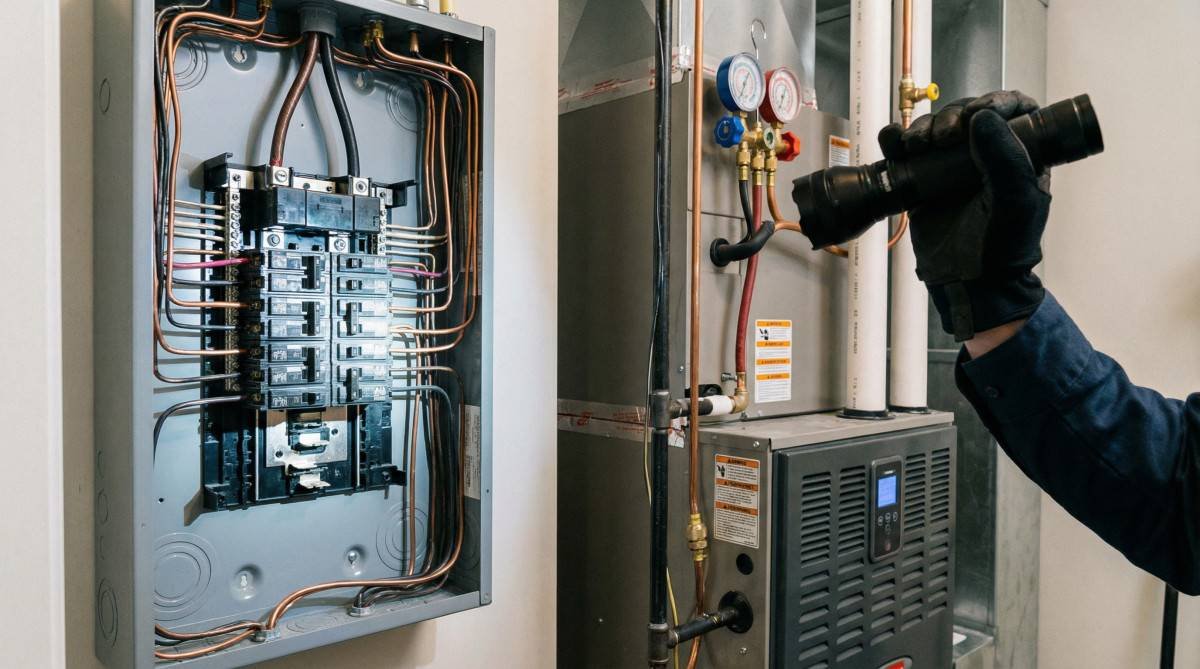
Inside the home, the electrical, plumbing, and HVAC systems undergo rigorous testing. Inspectors verify that the electrical panel is correctly labeled and free of hazardous wiring, such as “double-tapped” breakers or outdated aluminum wiring. Plumbing fixtures are tested for leaks and adequate water pressure, while the water heater is evaluated for age and safety compliance. The HVAC system is operated in both heating and cooling modes to ensure it can maintain a comfortable indoor climate. The following table summarizes critical inspection points and potential red flags that buyers should monitor closely.
| System | Critical Inspection Point | Potential Red Flag |
|---|---|---|
| Foundation | Visible cracks and settlement | Horizontal cracks or significantly sloping floors |
| Roofing | Shingle condition and flashing | Missing shingles, moss growth, or rusted flashing |
| Electrical | Main panel and GFCI outlets | Burn marks in the panel or non-functional GFCI outlets |
| Plumbing | Supply lines and water heater | Corrosion on pipes or water heater older than 12 years |
| HVAC | Furnace and AC operation | Unusual noises during startup or inconsistent airflow |
| Attic | Insulation and ventilation | Evidence of pests or moisture staining on rafters |
Differentiated Module: Smart Home and Energy Efficiency Audit
As smart technology becomes standard in modern residences, a 2026 home inspection must evaluate the integration and security of these systems. This includes testing smart thermostats, automated lighting, and security cameras for proper functionality and data privacy. Simultaneously, an energy efficiency audit assesses insulation levels and window performance to ensure the home meets current sustainability and cost-saving standards.
According to the Department of Energy (2024), improving a home’s insulation and sealing air leaks can save homeowners an average of 15% on heating and cooling costs. During an inspection, the professional will check the attic for adequate R-value insulation and inspect windows for failed seals, which often manifest as fogging between glass panes. These checks are vital for maintaining low utility bills and long-term comfort, especially in extreme weather conditions.
The rise of electric vehicles (EVs) has also introduced new requirements for home inspections. Inspectors now look for dedicated EV charging circuits and verify that the electrical panel has the capacity to support high-draw appliances without overloading. Furthermore, smart home hubs and integrated security systems are checked to ensure they are not “locked” by the previous owner, which can be a common hurdle for new buyers. Ensuring these modern features are fully operational is a key component of a contemporary home buying strategy.
Post-Inspection Strategy: Negotiation and Repairs
The home inspection report is a powerful tool for negotiation, allowing buyers to request repairs or price credits for significant issues. Focus on “major” defects—those affecting safety, structural integrity, or the functionality of primary systems—rather than minor cosmetic flaws. A strategic approach involves prioritizing mandatory repairs while being flexible on smaller items to keep the deal moving forward.
According to Rocket Mortgage (2025), buyers should distinguish between “must-fix” items, such as structural damage or electrical hazards, and “should-fix” items like aging appliances. When a report reveals significant issues, buyers can request that the seller complete the repairs before closing, or ask for a closing cost credit so they can hire their own contractors. This latter option is often preferred, as it ensures the quality of the work meets the buyer’s standards.
Effective negotiation requires a clear understanding of the local market and the seller’s motivation. In a competitive market, asking for too many minor repairs can jeopardize the deal, whereas in a buyer’s market, you may have more leverage to request comprehensive fixes. Always consult with your real estate agent to determine the best path forward after receiving the inspection report. Remember, the goal is not to get a “perfect” house, but to ensure you are fully aware of the property’s condition and that the price reflects any necessary investments.
Frequently Asked Questions
What does a home inspector look for most?
A home inspector primarily focuses on the “big four” systems: the roof, the electrical system, the plumbing, and the HVAC. They are looking for safety hazards, structural red flags, and signs of active moisture intrusion. Their goal is to identify issues that could be expensive to repair or that pose a risk to the occupants’ safety.
Is a radon test always necessary?
While not always mandatory, a radon test is highly recommended, especially in areas known for high radon levels. Radon is a colorless, odorless gas that can cause lung cancer over long-term exposure. According to the Environmental Protection Agency (EPA) (2023), radon levels above 4.0 pCi/L should be mitigated to ensure a safe living environment.
How much does a home inspection cost in 2026?
The cost of a home inspection typically ranges from $300 to $600, depending on the size, age, and location of the home. Specialized add-ons, such as sewer scopes or mold testing, will increase the total price. While it may seem like a significant upfront expense, it is a small price to pay compared to the cost of repairing a major structural or system failure.
Who pays for the home inspection?
In most residential real estate transactions, the buyer is responsible for paying for the home inspection. This ensures that the inspector is working directly for the buyer and providing an unbiased assessment of the property’s condition. Sellers may occasionally perform a “pre-listing inspection” to identify issues early, but buyers should still conduct their own independent evaluation.
How long does a home inspection take?
A standard home inspection for an average-sized single-family home usually takes between two and four hours. Larger or older homes with complex systems may take longer. Buyers are encouraged to attend the final hour of the inspection so the professional can walk them through the findings and answer any specific questions about the property’s maintenance.
What is the difference between a home inspection and an appraisal?
A home inspection evaluates the physical condition of the property for the buyer’s benefit, while an appraisal determines the fair market value of the home for the lender’s benefit. While both are important steps in the home buying process, they serve different purposes: the inspector looks for defects, and the appraiser looks for value based on comparable sales in the area.
Conclusion
Navigating the home buying process requires a combination of due diligence and strategic planning, and the home inspection is a critical component of that journey. By utilizing a comprehensive checklist and understanding the scope of professional evaluations, you can protect your investment and ensure your new home is safe and sound. Whether you are a first-time buyer or a seasoned investor, prioritizing structural integrity and modern system functionality will serve you well in the 2026 real estate market.
References
- InterNACHI (2025). Home Inspection Standards of Practice.
- U.S. Department of Energy (2024). Insulation and Air Sealing Savings.
- Rocket Mortgage (2025). A Buyer’s Home Inspection Checklist.
- Environmental Protection Agency (2023). A Citizen’s Guide to Radon.
Last modified: April 14, 2026