Modern Designs for Screened-In Porches: A Guide to 2026 Trends
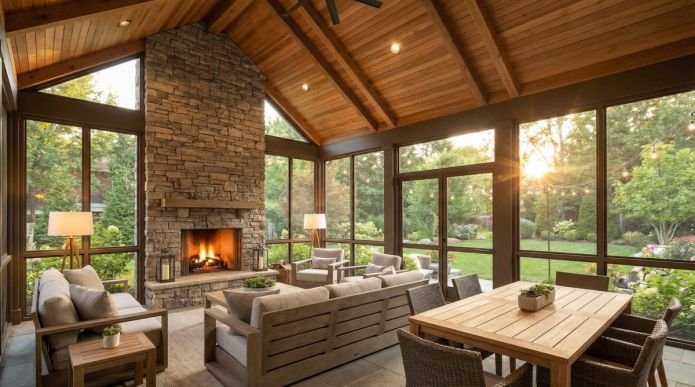
Creating a functional and aesthetic outdoor retreat starts with selecting the right designs for screened-in porches that complement your home’s architecture. As homeowners increasingly prioritize indoor-outdoor living, the screened porch has evolved from a simple bug-free enclosure into a sophisticated, multi-season living space. These modern structures offer the perfect balance of fresh air and protection, allowing for year-round enjoyment of the natural environment without the intrusion of insects or harsh weather conditions, notes Personal Touch Property Management solutions.
Innovative Layouts for Modern Screened-In Porches
Modern designs for screened-in porches prioritize seamless transitions between indoor and outdoor environments. Current trends emphasize open-concept layouts that incorporate floor-to-ceiling screens, motorized retractable systems, and integrated smart home technology to create a versatile space that functions as a natural extension of the primary living area. By removing traditional barriers and using transparent materials, these layouts maximize natural light and provide unobstructed views of the surrounding landscape.
The shift toward more expansive and integrated designs has been driven by a desire for greater connectivity with nature. According to the American Society of Landscape Architects (2025), outdoor living rooms are now the most requested residential landscape element, with 72% of homeowners seeking improved connectivity between indoor and outdoor spaces. This has led to the rise of the “California Room” concept, where the screened porch is designed with the same level of detail and comfort as an interior living room, featuring vaulted ceilings, recessed lighting, and high-end flooring materials like porcelain tile or treated hardwood.
Furthermore, multi-functional layouts are becoming the standard for high-end residential projects. Designers are now incorporating dedicated zones within the screened porch for dining, lounging, and even remote work. By utilizing modular furniture and strategic lighting, a single screened-in area can transition from a sun-drenched morning breakfast nook to a cozy evening entertainment hub. This versatility ensures that the investment in a screened-in porch provides maximum value and utility for the modern homeowner throughout the entire year.
Selecting the Right Screen Materials and Technology
Choosing the appropriate screen material is essential for balancing durability, visibility, and insect protection. While traditional fiberglass remains popular for its affordability, advanced options like vinyl-coated polyester (pet-resistant) and stainless steel offer superior longevity and clarity, particularly in coastal or high-traffic environments where environmental stressors are more prevalent. The selection process should also consider the specific environmental challenges of the local climate, such as high winds or salt air.
Modern screen technology has advanced significantly, offering homeowners a range of specialized materials designed for specific needs. For instance, high-visibility mesh, often referred to as “invisible” screening, utilizes ultra-fine yarns to provide nearly unobstructed views of the outdoors while still maintaining a robust barrier against even the smallest insects. In contrast, heavy-duty solar screens are designed to block up to 90% of the sun’s heat and glare, which can significantly reduce cooling costs and protect interior furnishings from UV damage.
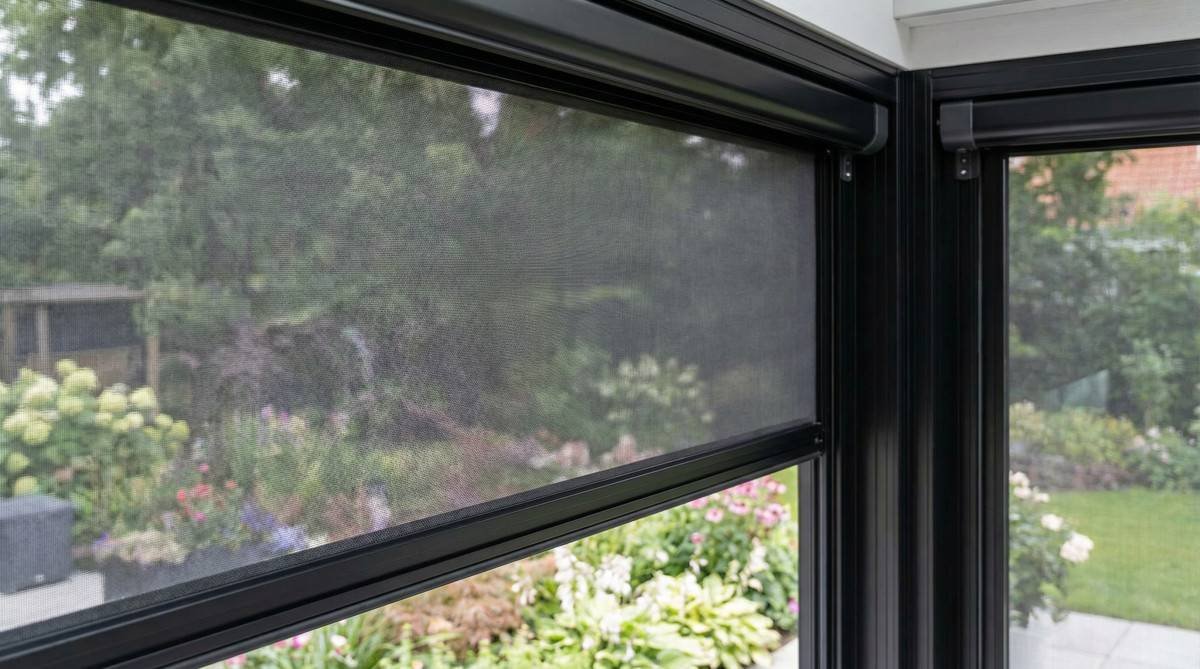
The table below provides a comparison of common screen materials used in modern porch designs to help homeowners make an informed decision based on their priorities.
| Screen Material | Durability | Visibility | Relative Cost | Best Use Case |
|---|---|---|---|---|
| Fiberglass | Moderate | High | Low | Standard residential porches |
| Aluminum | High | Moderate | Medium | Areas prone to high winds |
| Vinyl-Coated Polyester | Excellent | Moderate | High | Homes with pets or children |
| Stainless Steel | Superior | High | Premium | Coastal regions and high-security needs |
Beyond the material itself, the integration of motorized retractable screens has become a hallmark of luxury porch design. These systems allow for the screen to be raised or lowered at the touch of a button, providing the flexibility to have a completely open porch during pleasant weather and a fully enclosed space when insects or intense sun become an issue. This technological advancement not only enhances the convenience of the outdoor living area but also contributes to the overall aesthetic appeal of the home by hiding the screen components within the porch’s architectural framework when not in use.
The Rise of the Smart Screened Porch
The integration of smart home technology into screened-in porches is transforming these spaces into high-tech sanctuaries. Homeowners are increasingly installing automated climate control systems, synchronized LED lighting, and weather-resistant surround sound, all of which can be managed via mobile applications or voice commands to enhance the overall user experience. This level of automation ensures that the porch environment remains perfectly adjusted to the time of day and the specific activities taking place, whether it’s a quiet morning coffee or a lively evening social gathering.
Automated climate control is a key feature of modern smart porch designs, often incorporating sensors that detect changes in temperature, humidity, and wind speed. When the afternoon sun begins to heat the space, smart shades or motorized screens can automatically lower to provide relief from the heat and UV rays. Similarly, integrated ceiling fans can be programmed to adjust their speed based on the ambient temperature, maintaining a consistent and comfortable airflow without the need for manual intervention.
In addition to climate control, sophisticated lighting and audio systems are becoming standard in high-end screened porch projects. Smart LED lighting can be programmed with custom “scenes” that change the intensity and color temperature of the lights to suit different moods or events. For entertainment, weather-resistant sound systems and outdoor-rated televisions are seamlessly integrated into the porch’s architecture, providing a high-quality multimedia experience that rivals any indoor home theater. This technological evolution not only adds significant value to the property but also ensures that the screened porch remains a central and highly utilized part of the home’s living space throughout the year.
Essential Furniture and Decor for Year-Round Comfort
Successful screened-in porch designs utilize weather-resistant furniture and layered decor to ensure comfort throughout the seasons. Incorporating elements such as outdoor-rated fireplaces, plush sectional seating, and performance fabrics allows the space to remain inviting during cooler months, effectively extending the usability of the porch beyond the summer season. The choice of furniture should also consider the overall aesthetic of the home, ensuring that the transition from the interior living room to the screened porch is seamless and visually appealing.
For year-round enjoyment, the integration of a fireplace is a highly popular design choice for modern screened-in porches. Whether it’s a traditional wood-burning stone fireplace or a contemporary gas-powered unit, a hearth provides a central focal point and essential warmth during the spring and autumn months. In addition to a fireplace, outdoor kitchens are becoming increasingly common, allowing for al fresco dining without the nuisance of insects. These kitchens often feature high-end appliances such as built-in grills, refrigerators, and stone countertops that are both durable and stylish.
The use of high-performance fabrics and durable materials like teak, wrought iron, or high-density polyethylene (HDPE) ensures that the porch furniture can withstand the elements for years to come. Designers recommend layering the space with outdoor rugs, throw pillows, and soft lighting to create a cozy and inviting atmosphere. By incorporating elements of biophilic design, such as hanging plants or vertical gardens, homeowners can further enhance the connection to nature while maintaining a comfortable and protected environment. This attention to detail in furniture and decor transforms the screened-in porch into a true extension of the home’s interior, providing a sanctuary for relaxation and social gatherings alike.
Frequently Asked Questions
How much does a 20×20 screened-in porch cost?
The cost of a 20×20 screened-in porch typically ranges from $20,000 to $45,000, depending on the materials used and the complexity of the design. Factors such as the choice of high-end flooring, custom lighting, and integrated smart home technology can further increase the overall investment for a luxury outdoor space.
What are the latest porch trends for 2026?
The latest porch trends for 2026 emphasize the “California Room” concept, where the screened porch is designed as a seamless extension of the indoor living area. Key features include motorized retractable screens, outdoor-rated fireplaces, and integrated smart home systems for climate and lighting control to ensure year-round comfort.
What are the common porch design mistakes?
Common porch design mistakes include inadequate sizing for intended activities, poor integration with the home’s existing roofline, and the use of low-quality screen materials that obstruct views or lack durability. Additionally, neglecting to include sufficient electrical outlets or neglecting proper lighting can limit the porch’s functionality and aesthetic appeal.
Can I add a fireplace to my screened-in porch?
Yes, adding a fireplace to a screened-in porch is a highly popular design choice that extends the space’s usability into the cooler months. Whether you choose a traditional wood-burning stone hearth or a modern gas-powered unit, it provides a central focal point and essential warmth for year-round enjoyment.
Which screen material is best for pets?
Vinyl-coated polyester, often referred to as “pet screen,” is the best material for households with pets or children due to its exceptional durability and resistance to tears. This heavy-duty mesh is designed to withstand the scratching and pushing of animals while still providing excellent visibility and airflow for the porch.
Conclusion
The evolution of designs for screened-in porches has transformed these outdoor spaces into essential components of the modern home. By prioritizing innovative layouts, advanced screen technology, and smart home integration, homeowners can create a versatile sanctuary that offers year-round comfort and a seamless connection to the natural environment. Whether you are planning a new build or a renovation, investing in a high-quality screened porch design ensures that your outdoor living area remains a functional and aesthetic retreat for years to come.
Last modified: April 14, 2026