The Print Details That Make Custom Fake Money Look Realistic
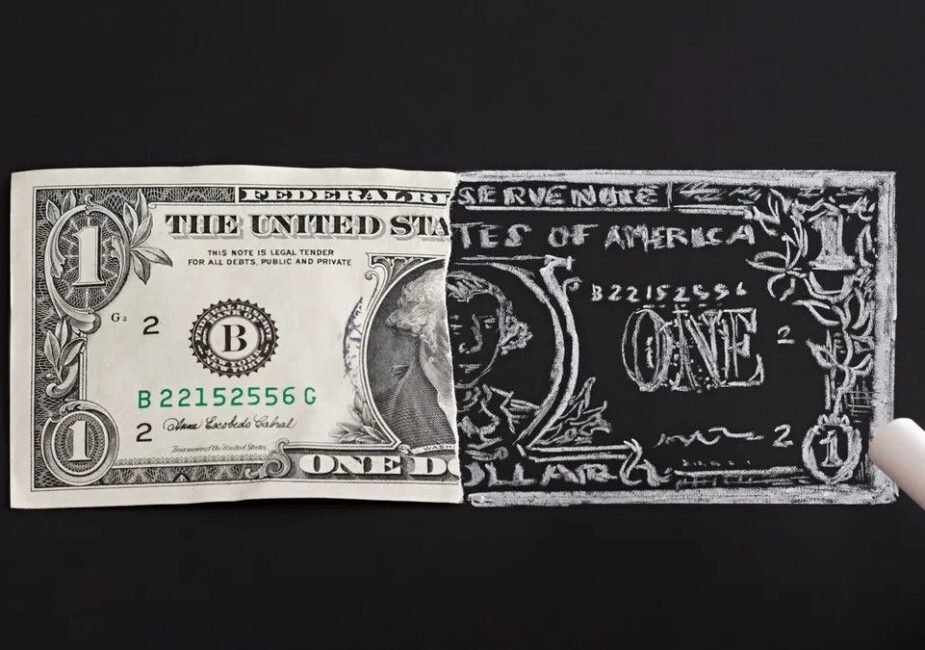
Imitation currency is useful in various contexts, including the theater and learning. To make it look authentic, you have to pay attention to several unique features of the print. Without the subtlest of details, identity bills can appear unconvincing, a distraction to your wallet, and lose their effectiveness in the situations to which you convey them.
Paper Quality and Texture
Creative agencies occasionally request custom fake money for branded campaigns. Authentic-looking prop money starts with the correct paper. Real currency typically employs a cotton-linen blend, which gives it a subtle tactile difference compared to normal printer stock. Selecting paper stock with similar weight and texture helps make the notes as convincing to the touch as to the eye. The hallmarks of a real Fine also contribute a lot to giving a debased impression to casual observers as well as to specialists in the field.
Color Accuracy and Precision
Color matching is a critical component to convincingly mimicking the bills. Real notes are carefully designed with intricate color patterns that are nearly impossible to replicate. Proper shades and tones are achieved using high-quality inks and precise printing techniques. The uniform look throughout the bill helps to avoid telltale signs of being fake, like worn areas or varying colors.
Intricate Patterns and Fine Lines
Colorful background patterns, fine lines, and geometric shapes form most of the complexity of real banknotes. This process implements precision details called microprinting and guilloche, which are extremely difficult to reproduce without specialized equipment. Such subtle features, when included in imitation bills, enhance the prevailing sense of reality’s uniqueness. Definite, crisp lines discourage smearing or blurring, which can be a clear indication of lower-quality reproductions.
Watermarks and Security Threads
Genuine notes have embedded security threads and watermarks. It may be difficult to copy these features exactly, but some techniques can give the same effect. By adding semi-transparent printing, very faint background images, and even strips of foil, criminals can produce what appear to be authentic security features. They are details that sometimes slip by the eyes, but enhance the believability.
Raised Ink and Tactile Features
Real bills typically have raised ink, which you can feel the texture of as you lightly rub your finger across the surface. The feel of raised print can be simulated through specialty printing or embossed details. Imitation notes and simple paper copies can be distinguished when tactile features can be identified at close quarters.
Serial Numbers and Unique Identifiers
A real note will also have its number, a serial number, and no two notes have the same serial number. This detail creates an illusion of authenticity, and reproducing it is crucial. Different serial numbers on each note make it appear like real-top currency, and the absence of duplicates would arouse suspicion. The full effect is also dependent on the proper choice and placement of fonts.
Shadows, Gradients, and Light Effects
Bills also feature realistic shading, gradients, and light effects that add depth to the print images. Reproducing such visual cues requires painstaking graphic design and printing at very high resolutions. Blurry outlines and smooth tone transitions give artificial notes a more dimensional texture than a sheet of paper.
Crisp Edges and Alignment
You must pay close attention to the alignment and edges of all printed elements. Imitation betrays itself instantly through crooked borders or images that look wrong. This level of precision is common in genuine currency production, resulting in clean, crisp borders. The meticulous focus on detail prevents the note from appearing haphazardly assembled or aimlessly drifting. centered artwork. It is that attention to detail that stops the note from seeming like it was put together on a whim or from drifting along.
Conclusion
Efforts to make counterfeit money appear legitimate go beyond simply printing on paper. Realism comes from the consideration of things like paper quality, color accuracy, micro-lines, security features, tactile elements, and exact sizing. Through these print particulars, one can create fake notes to pass off convincingly, depending on whether they are intended for stage, screen, or observation. Being attentive to details is what distinguishes between custom fake money that appears real and one that is easily identifiable as fake.
Last modified: March 26, 2026