When To Visit an Urgent Care Facility
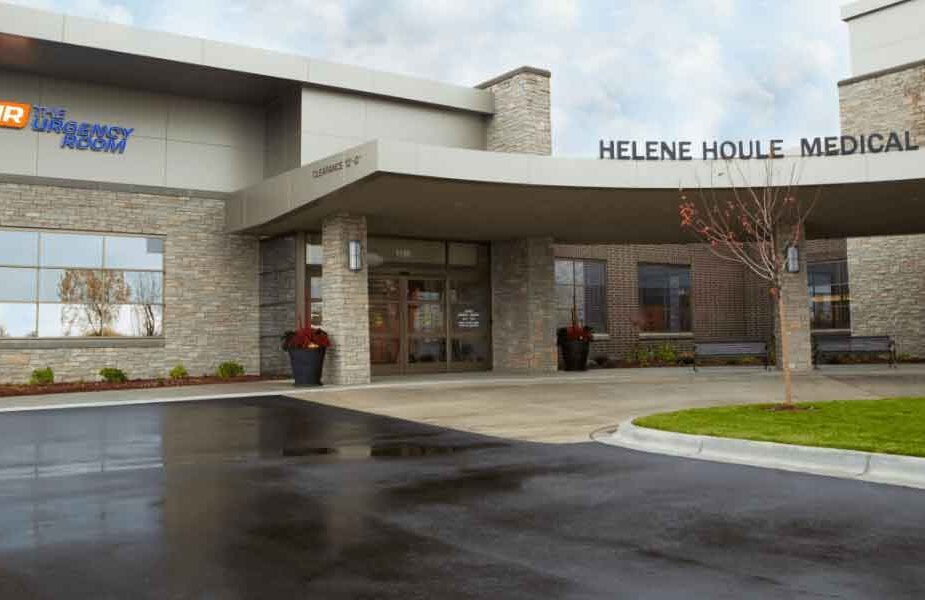
An urgent care center is a walk-in clinic that offers treatment for diseases and injuries that require immediate attention but are not severe enough for the hospital. They often operate weekdays, during evenings, and on weekends, offering care when primary care offices are closed. Medical personnel, including physicians and nurse practitioners, conduct examinations and provide treatment. Here’s when to visit urgent care:
Minor Injuries and Accidents
Optum urgent care clinics manage strains, sprains, simple fractures, cuts, scrapes, and minor burns. Providers also treat insect bites and minor animal bites that may result in swelling or an infection if they are left untreated. They close wounds with stitches when necessary and use casts, splints, or braces for minor fractures or joint injuries. On-site assessments, such as imaging and basic lab tests, enable the practitioner to examine the injury and offer proper treatment solutions.
Respiratory Illnesses and Infections
Urgent care clinics diagnose and treat common, acute illnesses that develop quickly, managing conditions such as colds, flu, sinus infections, bronchitis, and strep throat. Clinicians examine symptoms on-site and decide on the appropriate treatment. Clinics also address ear infections, pink eye, and seasonal allergies, which can cause irritation or inflammation. Timely assessment enables the staff to make decisions on whether medication or further tests are necessary. Other common infections treated include urinary tract and skin infections; physicians examine the symptoms and the medical history of the patient to provide treatment based on the underlying issue.
Diagnostic Testing and X-Rays
Certain symptoms require diagnostic testing to guide treatment decisions. Urgent care clinics provide on-site laboratory services and digital X-ray imaging to help evaluate injuries and illnesses. These services provide information that supports accurate diagnosis and treatment planning during the same visit.
Laboratory tests are significant in the diagnosis of infections and other illnesses. Clinics perform tests for illnesses like flu, strep throat, and COVID-19, along with bloodwork, urinalysis, and pregnancy tests when further examinations are required. Such tests provide clinical information that can aid staff in deciding the most appropriate course of care.
Injury assessment also relies on imaging services. X-rays enable providers to examine bones and joints when they suspect a fracture or a sprain, detecting problems that would not be visible during a physical examination. On-site diagnostic tests allow clinicians to initiate treatment recommendations immediately during the same appointment, once the imaging results are available.
Physical Exams and Vaccinations
Urgent care clinics provide preventive healthcare services, such as sports and general health check-ups. These exams can be completed during a single visit. Healthcare experts examine medical history and check signs like blood pressure and heart rate during a physical examination.
Providers assess symptoms or health concerns to determine whether further testing or follow-up care is needed. Clinics also administer vaccinations to support disease prevention. Immunization services include flu shots and certain travel-related vaccines, helping meet school, work, or travel requirements.
Skin Conditions and Burns
Urgent care clinics offer assessment and treatment of minor skin conditions and burns. They can treat minor skin thermal burns, sunburns, cuts, and abrasions, providing wound care and basic dressings to minimize the risk of infection. Severe burns or life-threatening allergic reactions need care in emergency rooms or special treatment centers. Clinicians also treat bacterial infections, abscesses, rashes, allergies, insect bites, and other minor dermatologic problems.
Visit an Urgent Care Clinic
Professional care facilities deliver evaluation and treatment for non-life-threatening injuries and preventive health needs. Medical staff assess symptoms, perform diagnostic testing, and administer treatments based on each patient’s condition. Expert staff carry out these procedures accurately and efficiently to support recovery and overall health. Schedule a visit to an urgent care clinic for an evaluation today.
Last modified: March 27, 2026