Image to Image AI & Edit Images Online: The New Age of Visual Transformation
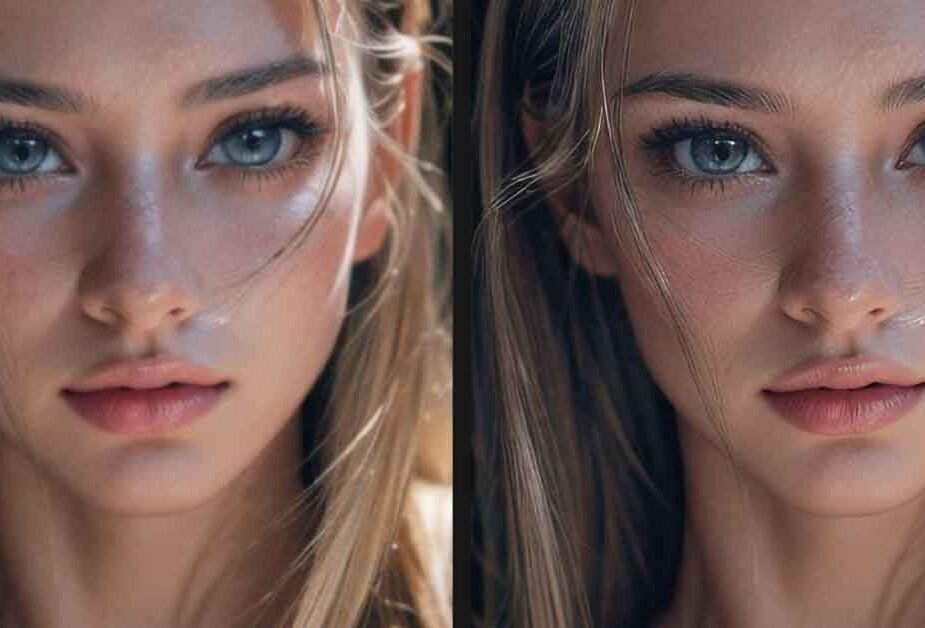
Images are the language of the internet. From social media posts to product catalogs and marketing campaigns, visuals communicate ideas faster than paragraphs of text. But creating stunning visuals used to require advanced design skills or expensive software. Today, artificial intelligence has rewritten that rulebook.
Modern tools powered by image to image ai allow creators to transform ordinary photos into stylized artworks, enhanced visuals, or entirely new designs in seconds. Instead of starting from scratch, users can upload an image and let AI reinterpret it changing style, colors, textures, or even visual concepts.
Many creators now rely on advanced solutions such as this image to image ai s tool to convert photos into new styles or generate creative variations with minimal effort. This technology acts like a digital artist sitting beside you, ready to remix and reinvent any image.
At the same time, people still want the ability to edit images online quickly without installing heavy software. The rise of web-based photo editors means anyone from beginners to professionalsccan enhance images directly in their browser.
Together, AI-powered transformation tools and online editing platforms are changing how visuals are created, shared, and experienced across the digital world.
The Creative Power Behind Image to Image AI
Traditional photo editing requires manual adjustments cropping, color correction, retouching, or filters. But image-to-image AI takes this concept further. Instead of simply adjusting an image, it can reinterpret and regenerate it.
Think of it like giving a sketch to an artist and asking them to redraw it in a completely different style watercolor, oil painting, cyberpunk, or anime.
AI systems use deep neural networks trained on massive datasets of images to understand patterns such as:
- textures
- lighting
- composition
- artistic styles
By analyzing these patterns, the algorithm can generate a new version of an image while preserving its core structure.
This process enables designers, marketers, and hobbyists to explore creative possibilities that were previously time-consuming or technically complex.
Why Image-to-Image AI Is Growing Rapidly
The demand for AI-powered design tools is expanding quickly across industries.
According to Statista, the global artificial intelligence software market is expected to exceed $300 billion by 2026, with creative AI tools representing one of the fastest-growing.
Another report from McKinsey suggests that generative AI technologies could add trillions of dollars to the global economy through productivity gains in areas like design, marketing, and digital media.
These insights highlight a powerful shift: creativity is becoming more accessible as AI removes technical barriers.
Understanding How Image-to-Image AI Works
Behind every AI image transformation lies a complex machine-learning process.
Neural Networks and Image Recognition
AI systems analyze millions of images to learn visual relationships. When a user uploads a photo, the AI compares it to patterns it has learned and generates a new version accordingly.
Diffusion Models
Many modern generative tools rely on diffusion models algorithms that gradually reconstruct images from noise while maintaining structure.
Wikipedia describes diffusion models as systems capable of generating high-quality images by reversing a noise process through neural networks.
Style Transfer
One popular capability of image-to-image AI is style transfer, which allows users to transform a photograph into different artistic styles.
For example, a simple portrait can be turned into:
- a cartoon illustration
- a digital painting
- a cinematic scene
- a futuristic avatar
These transformations happen within seconds thanks to AI automation.
The Rise of Browser-Based Photo Editing
While AI generation tools create new visuals, traditional editing still plays a major role in refining images. Many creators now prefer to edit images online because it eliminates the need for heavy desktop software.
Online editing platforms provide several advantages:
Accessibility
Anyone with an internet connection can access editing tools from any device.
Collaboration
Cloud-based editing allows teams to work on visuals simultaneously.
Efficiency
Simple tasks like resizing, cropping, or applying filters can be completed quickly without downloading applications.
This combination of AI generation and browser-based editing tools creates a streamlined workflow for digital creators.
Practical Applications of Image-to-Image AI
The possibilities of image transformation extend across many industries.
1. Digital Marketing
Marketers use AI-generated variations of images for campaigns, advertisements, and social media posts. Multiple visual styles can be created quickly to test audience engagement.
2. E-Commerce
Product images can be enhanced or restyled to match brand aesthetics, seasonal campaigns, or advertising themes.
3. Content Creation
Influencers and bloggers use AI-generated visuals to create unique graphics for posts, thumbnails, or banners.
4. Concept Art and Design
Artists often use image-to-image AI as a starting point for concept designs, helping generate creative directions rapidly.
5. Education and Presentations
Visual transformations can help illustrate ideas or concepts more effectively in academic and professional settings.
Case Studies and Real-World Insights
AI Art Communities
Communities on Reddit and other creative platforms have embraced AI image tools for experimentation. Artists frequently share results where ordinary photographs are converted into elaborate digital artwork using image-to-image models.
AI in Digital Media
According to Adobe research, AI-powered creative tools significantly reduce design time while enabling experimentation with multiple concepts in minutes rather than hours.
Historical Image Restoration
AI techniques originally developed for image enhancement and restoration are now being used to restore historical photographs and film archives. Digital restoration methods allow old visuals to be reconstructed with surprising accuracy.
These real-world examples demonstrate how AI tools are influencing creative industries.
Statistics: Growth of AI Image Tools
The adoption of AI visual tools has been increasing steadily over recent years.
| Year | AI Image Tool Users | Creative Professionals Using AI |
| 2019 | 12% | 9% |
| 2021 | 28% | 22% |
| 2023 | 45% | 38% |
| 2025 (Projected) | 60% | 52% |
Data compiled from various industry reports and AI adoption studies.
This trend suggests that AI-powered creative tools will soon become standard in design workflows.
Key Advantages of Image-to-Image AI
Using AI for image transformation provides several benefits.
Faster Creative Workflow
Instead of manually recreating designs, users can generate variations instantly.
Greater Creative Freedom
AI tools encourage experimentation by allowing users to test multiple styles quickly.
Accessibility for Beginners
People without professional design experience can still produce impressive visuals.
Scalability for Businesses
Brands can generate large volumes of creative assets efficiently.
These advantages explain why image to image ai tools are gaining popularity among creators and businesses alike.
Tips for Getting the Best Results
To maximize the potential of AI-powered image tools, consider these strategies:
- Use High-Quality Input Images
Better source images typically produce stronger results. - Experiment With Styles
Trying multiple transformations can reveal unexpected creative directions. - Combine AI Generation With Editing
After generating an image, refine it with cropping, filters, or adjustments. - Optimize for Your Platform
Ensure the final image size matches the platform where it will be published.
By following these steps, users can fully leverage the capabilities of AI-driven design tools.
The Future of Visual Creativity in the AI Era
Visual creativity is evolving at a remarkable pace. Tools powered by image to image ai are turning simple photos into imaginative works of art, while the ability to edit images online makes professional-level design accessible to almost anyone.
From content creators experimenting with artistic styles to businesses generating marketing visuals at scale, AI-driven design tools are becoming essential parts of modern workflows.
As artificial intelligence continues to evolve, the boundary between human creativity and machine assistance will become even more fluid. The question is no longer whether AI will shape visual storytelling but how far it will take it.
In a world where every image can become something entirely new, what kind of creative transformation will you try next?
Frequently Asked Questions
What is image-to-image AI?
Image-to-image AI is a technology that transforms an existing image into a new version using artificial intelligence while preserving key elements of the original.
How is it different from regular photo editing
Traditional editing adjusts elements such as brightness or color, while image-to-image AI can completely reinterpret the style or structure of the image.
Can beginners use image-to-image AI tools?
Yes. Most modern AI design platforms are built with simple interfaces, making them accessible even for users with little design experience.
Is online photo editing safe?
Most reputable platforms provide secure cloud processing, allowing users to edit images without downloading software.
What industries benefit most from AI image generation?
Marketing, e-commerce, design, gaming, and social media industries frequently use AI-powered image tools.
Last modified: March 16, 2026