Creative design ideas using wall slats and beams for modern interiors
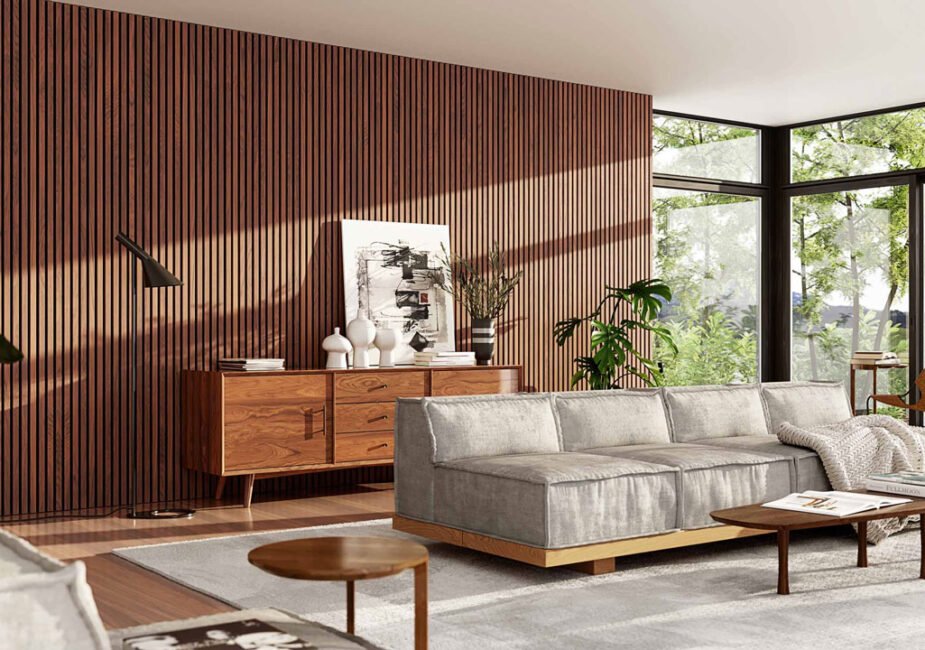
In contemporary interior design, few elements offer as much versatility as timber detailing. From minimalist apartments to expansive open plan homes, Slats, beams & acoustics have become central to shaping spaces that feel warm, architectural and thoughtfully composed. When used creatively, wall slats and ceiling beams do far more than decorate a room. They define zones, enhance proportion and introduce texture without overwhelming the overall aesthetic.
Below, we explore practical and inspiring ways to incorporate wall slats and beams into modern interiors.
Defining Spaces in Open Plan Layouts
Open plan living remains a popular design choice, but without visual boundaries, spaces can feel undefined. Vertical wall slats provide a subtle solution. Installed as partial dividers between the living and dining areas, slatted screens maintain sightlines while creating structure.
Floor to ceiling timber slats can act as architectural partitions without closing off light. Spaced evenly, they allow airflow and brightness to pass through while giving each zone a distinct identity. This approach works particularly well in apartments where square footage is limited and every design choice must serve multiple functions.
For added impact, consider extending slats from wall to ceiling, creating continuity that visually elongates the room.
Adding Texture to Feature Walls
A slatted feature wall introduces depth in a way that paint or wallpaper cannot. In living rooms, installing vertical slats behind a sofa or media unit creates a refined focal point. In bedrooms, slats positioned behind the headboard add softness and rhythm without cluttering the design.
Spacing plays a crucial role. Narrow gaps between slats create a more dramatic, sculptural effect, while wider spacing delivers a lighter and more relaxed feel. Finishes also matter. Natural timber tones bring warmth, while darker stains create contrast in light filled spaces.
For those seeking a bold statement, slats can be installed in geometric patterns rather than strictly vertical or horizontal lines. Diagonal layouts or framed slatted panels introduce movement and contemporary edge.
Exposed Beams as Architectural Statements
Ceiling beams are no longer reserved for rustic interiors. In modern homes, exposed beams can be streamlined and minimal, acting as strong linear accents that guide the eye across the room.
In high ceiling living areas, beams add proportion and prevent the space from feeling cavernous. Painted in a contrasting colour to the ceiling, they become a defining architectural feature. Alternatively, matching the beam finish to flooring or cabinetry creates visual harmony.
Even in smaller rooms, faux or lightweight beams can be used strategically. A pair of beams running across a kitchen ceiling, for example, can frame an island and subtly define the cooking area within an open layout.
Enhancing Acoustics and Comfort
Beyond aesthetics, wall slats serve a functional purpose. Timber slat panels paired with acoustic backing materials can help reduce echo in large or minimally furnished rooms. This is particularly beneficial in modern interiors that feature hard surfaces such as polished concrete, glass and stone.
Installing slatted panels in home offices, media rooms or open plan living spaces improves sound absorption while maintaining a clean, architectural look. Rather than appearing technical, these panels blend seamlessly into the design, offering a practical upgrade that does not compromise style.
Creating Seamless Indoor Continuity
Modern architecture often emphasises the connection between indoor and outdoor spaces. Wall slats can reinforce this continuity. Extending timber cladding from an exterior wall into the interior creates a fluid transition that feels intentional and cohesive.
This technique works well in homes with large sliding doors or courtyard views. By carrying the same material inside, the boundary between exterior and interior softens, resulting in a more expansive visual experience.
Similarly, ceiling beams can align with exterior pergolas or overhangs, strengthening the architectural narrative throughout the property.
Integrating Lighting for Added Impact
Lighting transforms the way slats and beams are perceived. Recessed LED strips placed between vertical slats create subtle shadow lines that enhance texture. This approach is particularly effective in hallways or entrance areas where first impressions matter.
For ceiling beams, uplighting can highlight the structural lines and draw attention to ceiling height. In dining areas, pendant lights suspended between beams establish symmetry and balance.
The key is to treat slats and beams as design frameworks rather than standalone features. When integrated with lighting from the outset, they become part of a cohesive scheme rather than an afterthought.
Bringing Warmth to Minimalist Interiors
Modern interiors often lean toward neutral palettes and clean lines. While this creates a calm environment, it can sometimes feel stark. Timber slats and beams introduce warmth and organic texture without disrupting simplicity.
Used sparingly, they soften sharp edges and add visual interest. Combined with natural materials such as stone, linen and brushed metal, slats and beams help achieve a balanced aesthetic that feels both contemporary and inviting.
Wall slats and beams are more than decorative trends. They are adaptable architectural tools capable of shaping space, improving comfort and adding character. When thoughtfully integrated, they elevate modern interiors with depth, structure and timeless appeal.
Last modified: March 12, 2026